Mauritanian Prime Minister Moktare Ould Ajaib announced on Saturday that the government will review the country's fuel pricing mechanism to shield consumers from international price fluctuations. The move aims to protect purchasing power and mitigate the impact of global economic shocks. Ould Ajaib made the statement during a speech to the National Assembly, outlining the government's policy priorities. He noted that President Mohamed Ould Cheikh El Ghazouani has instructed the government to prepare for the potential continuation of the international crisis until mid-2027.
The government's plan to address the crisis involves two main tracks: reducing the rise in basic commodity prices and supporting the purchasing power of low-income households. To achieve this, the government intends to continue capping prices of wheat, rice, sugar, and oil. Additionally, meat will be added to the list of subsidized products. The authorities also plan to intensify measures against monopolies and speculative practices. These steps are part of a broader effort to ensure the availability and affordability of essential goods.
Ould Ajaib announced several measures to support low-income households. These include compensating for the effects of inflation on employee salaries and pensions, either through wage increases or temporary financial assistance. The government will also negotiate with social partners to raise wages for workers under collective agreements. Furthermore, the authorities plan to temporarily cover part of the water and electricity bills for low-income families. They also aim to expand the base of beneficiaries from disability and chronic disease support.
The government's strategy involves coordination with the Central Bank to utilize economic, financial, and monetary policy tools to curb inflation. The authorities will work to stabilize feed prices, ensure sufficient quantities are available, and sell them at cost price when necessary. These measures are designed to mitigate the impact of the international crisis on the country's economy and population. The government's efforts focus on protecting vulnerable groups and maintaining economic stability.
President El Ghazouani has directed the government to prepare for the potential prolongation of the international crisis beyond 2027. In response, the authorities are developing contingency plans to address the ongoing challenges. The government's policy priorities include ensuring the availability of essential goods, controlling prices, and supporting low-income households. These measures aim to reduce the impact of the crisis on the country's economy and population.
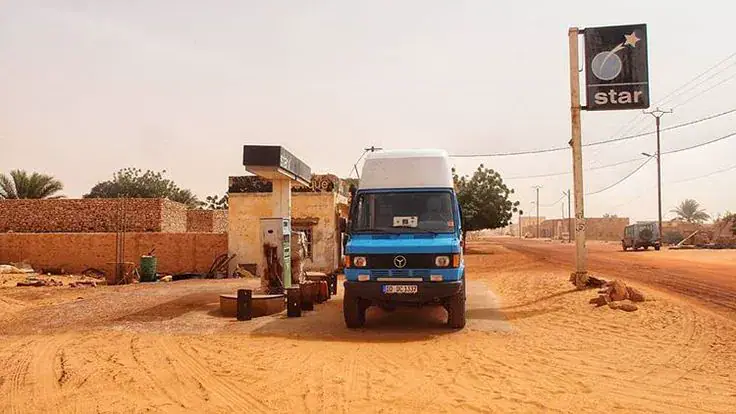
The review of the fuel pricing mechanism is part of a broader effort to shield consumers from international price fluctuations. The government aims to protect purchasing power and maintain economic stability. The authorities will also work to prevent monopolies and speculative practices, which can exacerbate the impact of the crisis. By capping prices of essential goods, the government hopes to reduce the burden on low-income households.
The government's measures to address the crisis have been outlined in a speech to the National Assembly. The authorities have emphasized their commitment to protecting vulnerable groups and maintaining economic stability. The review of the fuel pricing mechanism and the capping of meat and wheat prices are part of a comprehensive strategy to mitigate the impact of the international crisis. The government will continue to monitor the situation and adjust its policies as needed to address the ongoing challenges.
Key points
- The government will review its fuel pricing mechanism to shield consumers from international price fluctuations.
- Meat will be added to the list of subsidized products, alongside wheat, rice, sugar, and oil.
- The authorities plan to intensify measures against monopolies and speculative practices.
Reporting sources
- موريتانيا تعتزم مراجعة تسعير المحروقات وتسقيف أسعار اللحوم والقمح · saharamedias.net