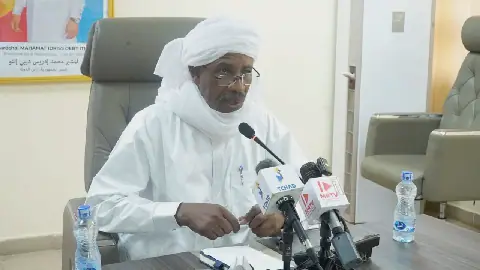
The Tunisian government has taken disciplinary action against one of its employees, terminating their contract after they were found guilty of deliberately damaging a biometric attendance device. According to Minister of State Domains and Land Affairs Wajdi Hdhili, the employee poured water on the device to disrupt its functioning. The incident was captured on a surveillance camera and was considered serious enough to warrant dismissal.
The dismissal was announced during a hearing before the Assembly of People's Representatives and the National Council of Regions and Districts. Minister Hdhili emphasized that upholding administrative discipline and protecting public funds are top priorities for his department. He also stated that he is closely monitoring the ministry's internal discipline, including the activities of regional directors and the use of administrative vehicles.
The use of administrative vehicles has been a focus area for the ministry, with 16,813 vehicles checked on roads during the first seven months of 2026. This resulted in 546 fines being issued for infractions. The minister has reiterated his commitment to preventing the misuse of service vehicles, stressing that they should only be used for professional purposes and parked at administrative premises outside working hours.
In addition to monitoring vehicle use, the ministry's Inspection General of State Domains conducted 121 control missions in public enterprises and establishments in 2026. These missions included 21 inspections, six in-depth audits, and 20 investigations. The inspections aim to ensure accountability and proper management of public resources.
The incident and subsequent dismissal serve as an example of the government's efforts to enforce discipline and accountability within the public sector. The minister's emphasis on protecting public funds and upholding administrative rules reflects the government's priorities in managing public resources effectively.
The case highlights the importance of maintaining the integrity of public sector operations, including the use of technology such as biometric attendance devices. The devices are intended to improve attendance tracking and reduce fraud. Disruptions to these systems can undermine their effectiveness and impact public sector productivity.
The Tunisian government's actions demonstrate its commitment to addressing issues of discipline and accountability within the public sector. The dismissal of the employee and the ongoing monitoring of vehicle use and administrative practices reflect a broader effort to improve governance and management of public resources.
Key points
- The Tunisian government dismissed an employee for damaging a biometric attendance device, highlighting its commitment to enforcing discipline and accountability in the public sector.