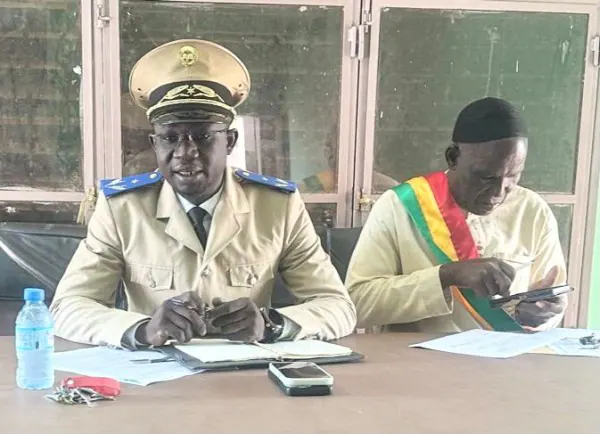
In a recent gathering, Mali's local authorities, traditional leaders, mining companies, and community representatives convened to address the rising issue of illegal gold mining in Kangaba. The meeting, led by Sub-prefect Lacina Diarra, aimed to tackle the unauthorized use of heavy machinery in artisanal mining and the involvement of local officials in these activities. With the surge in illegal mining operations on licensed mining permits and other lands, the situation has become increasingly concerning.
According to Sub-prefect Diarra, some miners are utilizing banned equipment, and certain local leaders are complicit in setting up these unauthorized operations, depriving the state of much-needed revenue. The participants, including representatives from nearly a dozen mining companies, discussed the challenges they face, such as disputes with local populations over permit legitimacy. They called for government intervention to resolve these issues and ensure a safer, more regulated mining environment.
The meeting also focused on educating attendees about Mali's mining code, specifically articles related to artisanal mining and the use of authorized equipment. Sub-prefect Diarra emphasized the need for adherence to regulations and the importance of protecting the environment and land from degradation. The discussions highlighted the complexities of balancing economic development with environmental and social responsibility in the region.
In response to the issues raised, participants recommended increasing awareness campaigns in local villages and imposing penalties on illegal miners. They stressed the importance of sustainable practices and environmental conservation, given the growing degradation of land and ecosystems in the area. These measures aim to promote responsible mining and mitigate the negative impacts on local communities and the environment.
The event in Kangaba reflects a broader effort by Mali's government to regulate the mining sector and ensure that economic activities benefit local populations and the state. By engaging with various stakeholders, authorities hope to create a more transparent and accountable mining industry. This initiative is part of a larger strategy to address the challenges facing the country's extractive industries.
The issue of illegal mining in Mali has significant implications for the country's economy, environment, and social stability. With gold being a major export commodity, the government is keen to ensure that mining activities contribute positively to national development. The Kangaba meeting demonstrates the government's commitment to addressing the problems associated with artisanal mining and promoting sustainable practices.
As Mali continues to grapple with the challenges of regulating its mining sector, the government faces the task of balancing economic growth with environmental protection and social responsibility. The outcome of the Kangaba meeting and the implementation of proposed measures will be crucial in determining the future of artisanal mining in the country and its impact on local communities and the environment.
Key points
- Mali's government is taking steps to regulate the mining sector and address the issues associated with illegal gold mining.