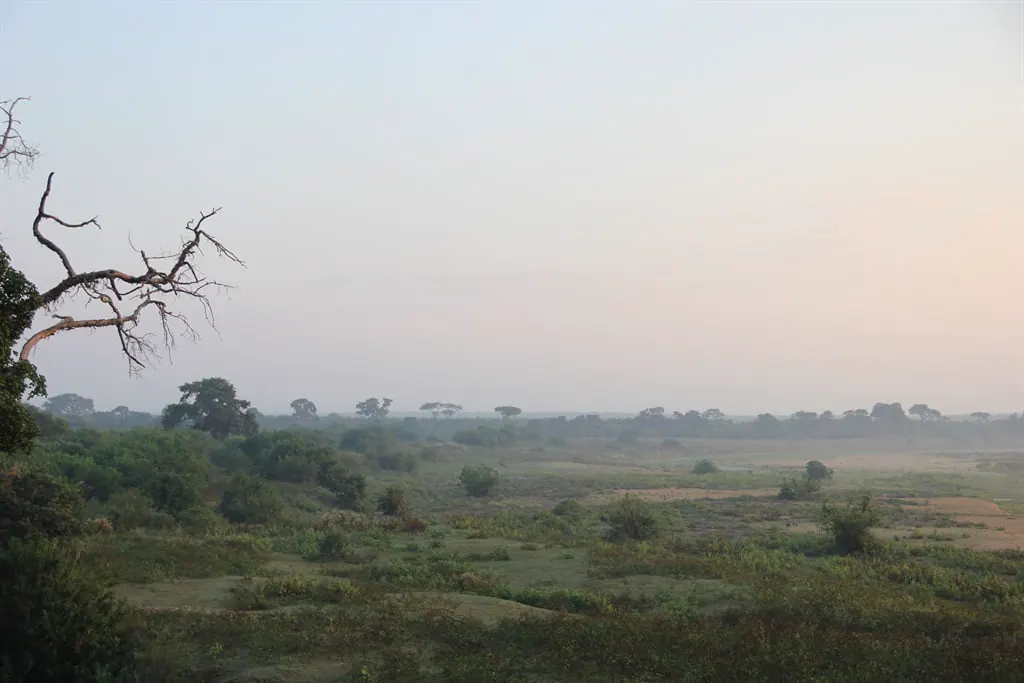
In a unique exploration, researchers have embarked on an unusual study within the expansive Kruger National Park in South Africa. The focus of this study is not on the park's diverse wildlife, such as lions, elephants, or rhinos, but rather on a more mundane subject: drawers. This unusual research aims to observe drawers in their natural habitat, providing insights that could potentially shed new light on human behavior and interaction with everyday objects.
The study, which began on October 8, involves strategically placing drawers in various locations throughout the park. Researchers then observe and record how these inanimate objects are interacted with by visitors and wildlife alike. This experiment seeks to understand the dynamics of human-object interaction in a natural setting, away from the influences of urban environments. By doing so, scientists hope to gain a deeper understanding of how people engage with simple, everyday items.
Kruger National Park, one of Africa's largest game reserves, offers a unique backdrop for this study. Spanning over 19,485 square kilometers, the park is renowned for its rich biodiversity and is home to an impressive array of wildlife. The decision to conduct this study within such a distinctive environment underscores the researchers' commitment to exploring novel approaches to understanding human behavior and object interaction.
The research team, though not specified in the initial report, is believed to comprise experts from various fields, including psychology, anthropology, and environmental science. Their multidisciplinary approach is expected to yield comprehensive insights into the study's findings. By examining how drawers are treated and interacted with in a natural setting, the team aims to contribute valuable data to the field of human-object interaction studies.
Preliminary observations from the study have not been made public, but the initiative has already sparked considerable interest among both the scientific community and the general public. The unusual nature of the study, coupled with its setting within a famed national park, has made it a topic of conversation among those interested in innovative research methodologies.
While the long-term implications of this study are yet to be determined, it is clear that the researchers are venturing into uncharted territory. By exploring the dynamics between humans and everyday objects in a natural habitat, they are pushing the boundaries of conventional research. This could potentially open up new avenues for understanding human behavior, interaction with the environment, and the significance of mundane objects in our daily lives.
As the study progresses, it is anticipated that more detailed findings will be released, offering a deeper understanding of its objectives and outcomes. For now, the initiative stands as a testament to the creativity and innovation that characterizes contemporary research. By choosing to study drawers in their natural habitat within Kruger National Park, the researchers are challenging conventional norms and exploring new frontiers in the study of human behavior and object interaction.
Key points
- The study observes drawers in their natural setting within Kruger National Park to understand human-object interaction.
- The research aims to provide insights into human behavior and interaction with everyday objects in a natural environment.
- The study's findings could contribute valuable data to the field of human-object interaction studies.