Violent protests erupted in Soweto and Durban, South Africa, on Thursday, as residents reacted to a new directive on asylum applications issued by the Department of Home Affairs. The directive, which follows a recent Constitutional Court judgment, instructs refugee reception officers to accept asylum applications from anyone seeking protection, including those who entered the country illegally. This has sparked frustration among some South Africans, who claim that the new process will lead to an influx of undocumented immigrants.
The Constitutional Court judgment states that asylum seekers cannot be barred, detained, or deported due to procedural or technical immigration errors, including irregular entry or failure to meet strict reporting deadlines. The judgment also prohibits officials from requiring applicants to explain unlawful entry, produce an asylum transit visa, or show "good cause" before applying. Furthermore, officers are barred from imposing quotas or other restrictions on access to the asylum process. The judgment has triggered mixed reactions among South Africans, with some welcoming the move and others expressing concerns.
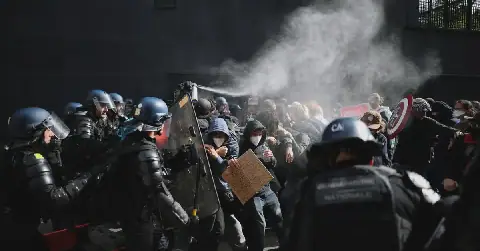
In Soweto, residents gathered at the home affairs offices in Orlando West, intending to stage a peaceful demonstration against the court judgment. However, the situation escalated as they moved through the area, closing down businesses operated by foreign nationals. Food lay scattered on the ground as residents forcefully removed foreign nationals from spaza shops, telling them they did not belong in the community. According to resident Tshepo Mposula, the group had managed to close four shops without looting, but the situation later escalated.
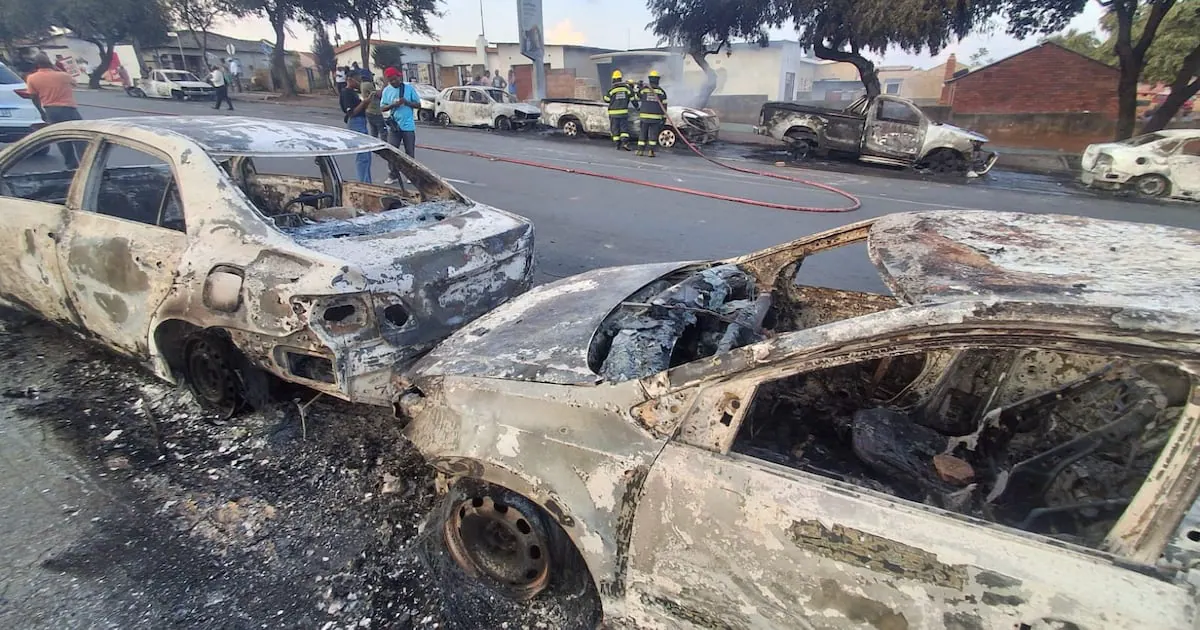
Mposula stated that about 10 cars had been set alight in Soweto as people vented their frustration. He claimed that the residents had come to engage peacefully but were met with gunfire, leading to the escalation of the situation. Several people were injured during the clashes, including an elderly woman and a man who were allegedly struck by stones. Mposula also reported that a foreign national had sustained a head injury after being struck by a stone.
Another resident, Monaka Manamela, described the developments in Orlando West as the beginning of a wider movement. He expressed frustration with the government's approach to asylum seekers and questioned efforts to legalise undocumented foreign nationals. Manamela also criticised the R350 social relief grant, saying that the president could "just take this R350" because, in his view, it was being used to make young people believe the government was doing enough for them.
In KwaZulu-Natal, protesters set several cars alight in Durban and allegedly looted shops. A building was also torched. The crowd became violent after an apparent altercation with business owners, and at one shopping centre in the Point area, protesters lobbed stones at the window of the China Mall. KwaZulu-Natal police spokesperson Col Robert Netshiunda said three foreign nationals were arrested for assault.
The government is now seeking legal advice on managing asylum applications after the Constitutional Court ruling prompted a review of immigration procedures. Minister in the presidency Khumbudzo Ntshavheni said the government was assessing its options to address the judgment's unintended consequences. IMC chairperson Mamoloko Kubayi clarified that the judgment does not grant refugee status or permanent residence automatically, nor does it legalise unlawful migration. She urged the public to remain calm and avoid blockading home affairs offices.
Key points
- The protests were sparked by a new directive on asylum applications issued by the Department of Home Affairs.
- The Constitutional Court judgment prohibits officials from requiring applicants to explain unlawful entry or produce an asylum transit visa.
- The government is seeking legal advice on managing asylum applications after the Constitutional Court ruling.