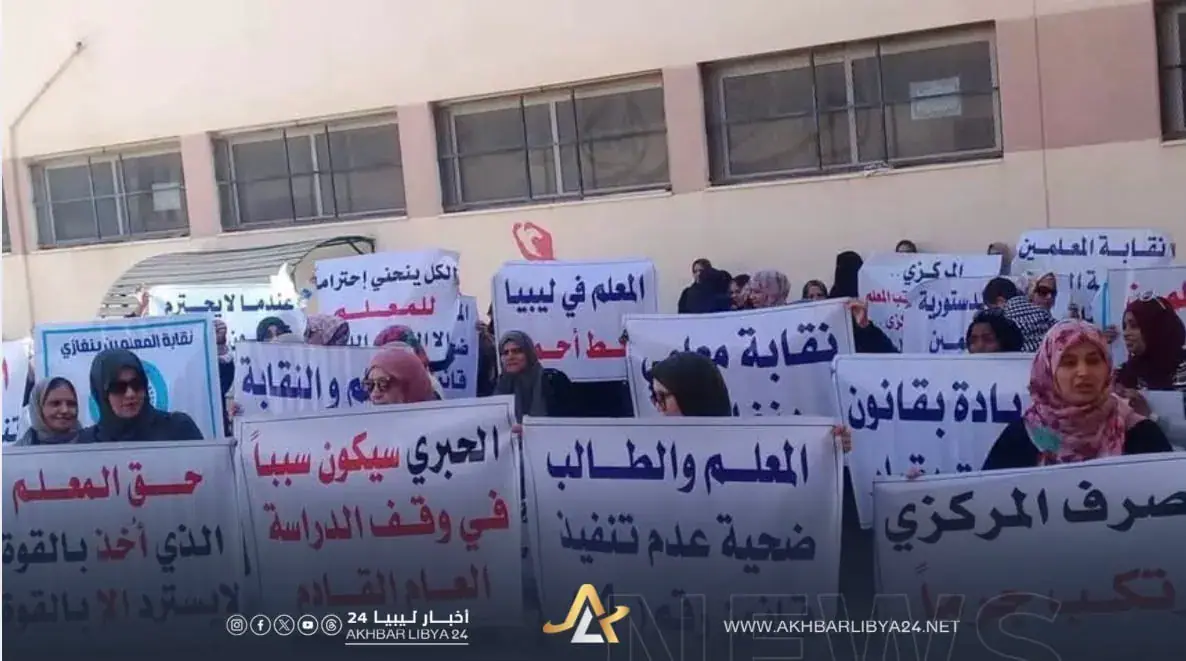
Teachers and educators in the Libyan municipality of Tajoura have taken a firm stance against the Ministry of Education, rejecting pressure to reopen schools and instead calling for the resignation of two top ministry officials. This development reflects growing discontent within the education sector. The protests highlight a deeper crisis of trust in the ministry's leadership. The situation remains tense as educators emphasize their commitment to achieving their goals.
The protests by Tajoura teachers are centered on demands for better working conditions and improved compensation. They have expressed dissatisfaction with the performance of the Deputy Minister for Educational Affairs, citing his negative stance on their concerns. The educators argue that his leadership has caused widespread frustration and dissatisfaction across the schools in Tajoura. They insist that his immediate resignation is a prerequisite for resolving the crisis.
The Deputy Minister for Monitoring and Evaluation has also faced criticism from the teachers. They accuse him of using coercive measures to pressure education monitors into issuing false announcements about reopening schools. These tactics have only strengthened the resolve of the teaching staff, who are now more determined than ever to see him removed from his position. The situation underscores the challenges facing Libya's education system.
The collective action by teachers in Tajoura demonstrates their unity and determination. By gathering in large numbers, they are sending a clear message that they will not be intimidated or pressured into returning to work until their demands are met. This show of solidarity highlights the severity of the crisis and the need for a resolution. The protests are a reflection of the broader issues within Libya's education sector.
The teachers have emphasized that their rights and dignity are non-negotiable. They have made it clear that anyone who attempts to undermine their strike or force them back to work will be held accountable. The educators are resolute in their determination to achieve their goals, and their message is clear: they will not return to the classroom until all their demands are fully met.
The standoff between the teachers and the Ministry of Education has significant implications for the education sector in Libya. The protests highlight the need for meaningful dialogue and reform within the ministry. The situation in Tajoura is a microcosm of the broader challenges facing the country. A resolution to the crisis is crucial to ensuring the stability and quality of education.
The Libyan Ministry of Education faces mounting pressure to address the concerns of teachers in Tajoura and beyond. The protests have drawn attention to the plight of educators and the need for urgent reform. As the situation continues to unfold, it remains to be seen how the ministry will respond to the demands of the teachers and what steps will be taken to resolve the crisis.
Key points
- The protests by teachers in Tajoura reflect a deeper crisis of trust in the Ministry of Education's leadership.
- The educators are demanding the resignation of two top ministry officials.
- The situation has significant implications for the education sector in Libya.
Reporting sources
- معلمو تاجوراء يرفضون ضغوط فتح المدارس ويطالبون برحيل وكيلي وزارة التعليم · Akhbar Libya 24