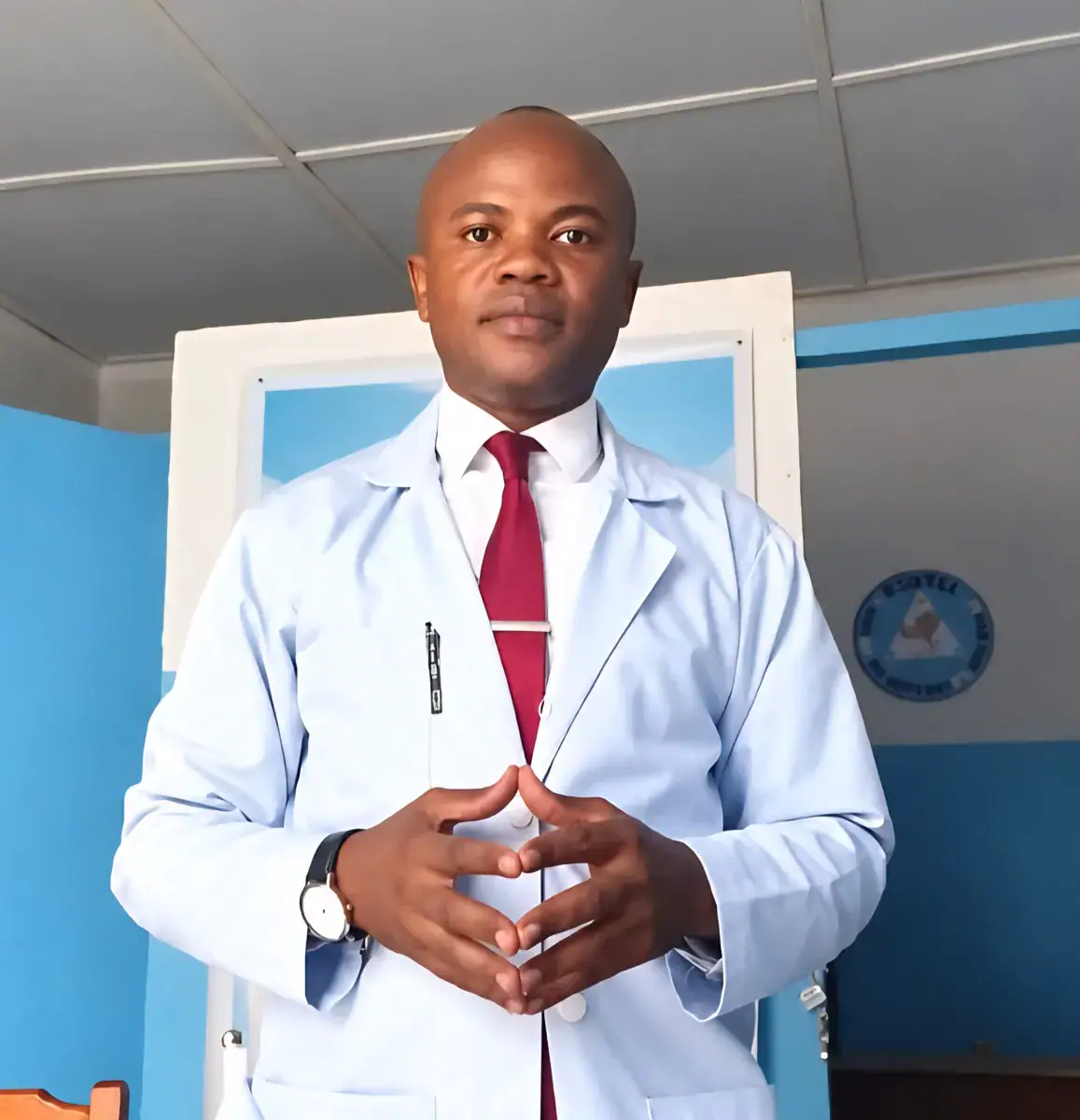
Intestinal parasites are a significant threat to the growth and development of children in Ituri, Democratic Republic of Congo. According to pediatrician Étienne Amani, president of the Congolese Pediatrics League (LIPECO), these parasites can disrupt the absorption of essential nutrients, reduce appetite, and cause anemia in infected children. This warning was issued on November 7 in Bunia, highlighting the need for awareness and action against intestinal parasitosis.
Certain infections caused by intestinal parasites directly affect a child's nutrition and growth. Étienne Amani explained that some infections decrease appetite, leading to reduced nutrient absorption. In some cases, parasites like hookworms can cause blood loss, resulting in anemia. The severity of the consequences depends on the type of parasite, the intensity and duration of the infection, and the child's nutritional status.
The impact of intestinal parasites on child development cannot be overstated. Amani emphasized that prevention, early detection, and treatment are crucial in limiting the complications of intestinal parasitosis and preserving child growth. He recommended that parents consult healthcare professionals if their children exhibit persistent symptoms, ensuring proper diagnosis and treatment.
To combat intestinal parasites, Étienne Amani stressed the importance of maintaining good hygiene practices, ensuring a clean living environment, and consuming safe drinking water. A balanced and sufficient diet is also essential in preventing infections. By adopting these measures, parents can significantly reduce the risk of intestinal parasitosis and promote healthy growth in their children.
The situation in Ituri is further complicated by the existing challenges faced by people with disabilities, who often lack access to information and healthcare. Amani's warning comes as a call to action for the community to prioritize intestinal parasite prevention and control. By working together, it is possible to mitigate the effects of these parasites and ensure children in Ituri can grow and develop healthily.
Radio-Télévision nationale congolaise (RTNC) reported on the issue, highlighting the need for awareness and action against intestinal parasites. The Congolese Pediatrics League (LIPECO) is working to educate the public about the risks and consequences of intestinal parasitosis. By engaging with local communities, healthcare professionals can empower parents with the knowledge needed to protect their children.
In conclusion, intestinal parasites pose a significant threat to child development in Ituri, Democratic Republic of Congo. Through awareness, prevention, and early treatment, it is possible to mitigate the effects of these parasites and promote healthy growth in children. KEY_POINT: Intestinal parasites can disrupt nutrient absorption, reduce appetite, and cause anemia in children. KEY_POINT: Prevention, early detection, and treatment are crucial in limiting the complications of intestinal parasitosis. KEY_POINT: Maintaining good hygiene practices, ensuring a clean living environment, and consuming safe drinking water can prevent intestinal parasite infections.
Reporting sources
- Ituri : l’impact méconnu des parasites intestinaux sur le développement de l’enfant · Radio-Télévision nationale congolaise