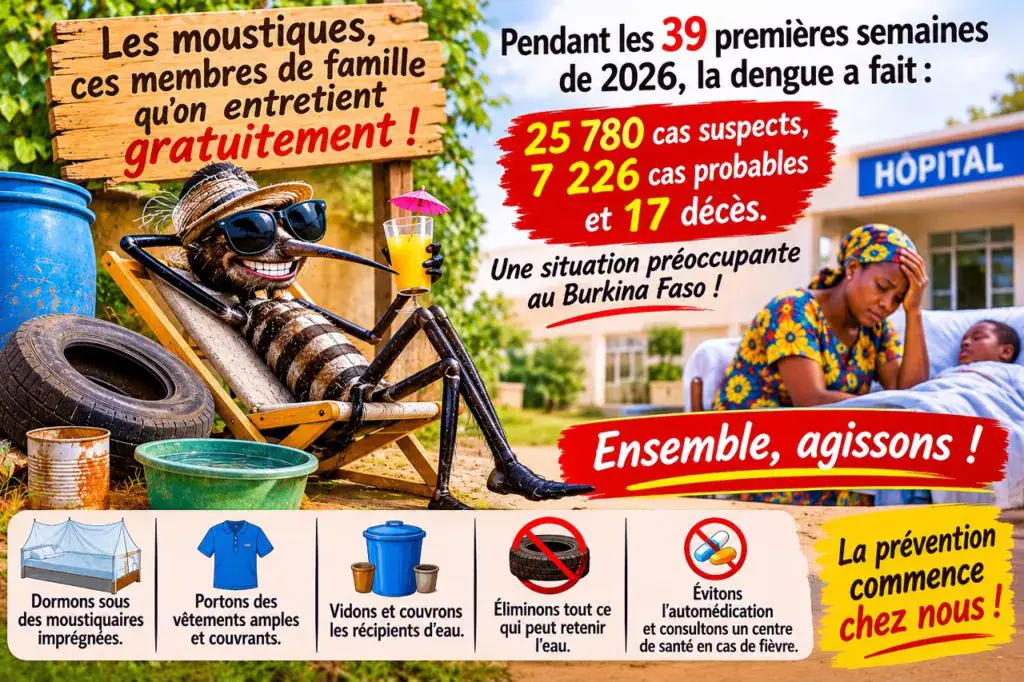
In Burkina Faso, mosquito-borne diseases continue to pose a significant threat to public health. The country's healthcare system is grappling with the challenges of dengue and malaria, two diseases transmitted by mosquitoes. According to recent reports, 25,780 suspected cases of dengue were recorded in the first 39 weeks of 2026, with 7,226 probable cases and 17 deaths reported. These numbers highlight the urgent need for effective measures to control the mosquito population and prevent the spread of these diseases.
The mosquito species responsible for transmitting dengue and malaria in Burkina Faso are the tiger mosquito and the Anophele mosquito, respectively. These insects thrive in environments with standing water, where they can breed and multiply rapidly. Unfortunately, many residents in Burkina Faso inadvertently create ideal breeding conditions for mosquitoes by leaving containers with stagnant water, old tires, and other items that collect water in their compounds.
Health experts emphasize that preventing mosquito-borne diseases requires a collective effort from the community. Simple actions, such as disposing of unnecessary items that collect water, covering containers used for storing water, and regularly cleaning compounds, can significantly reduce the mosquito population. Additionally, using impregnated mosquito nets while sleeping and wearing protective clothing can minimize the risk of mosquito bites.
The impact of mosquito-borne diseases on families and communities in Burkina Faso cannot be overstated. Many people have lost loved ones or have had to cope with the financial burden of treating these illnesses. Furthermore, the strain on the healthcare system is substantial, with hospitals often overwhelmed by patients seeking treatment for mosquito-borne diseases.
To combat the spread of dengue and malaria, authorities in Burkina Faso are urging residents to take proactive steps to eliminate mosquito breeding sites. Public awareness campaigns are being launched to educate people on the importance of maintaining clean compounds and taking measures to prevent mosquito bites. By working together, communities can reduce the risk of mosquito-borne diseases and create a healthier environment.
In addition to community-led initiatives, healthcare professionals are stressing the importance of proper diagnosis and treatment of mosquito-borne diseases. They warn against self-medication and encourage people to seek medical attention if they experience symptoms such as fever or unusual aches and pains. Prompt medical attention can significantly improve treatment outcomes and reduce the risk of complications.
As the situation with mosquito-borne diseases in Burkina Faso continues to unfold, residents are being called upon to take responsibility for their own health and well-being. By adopting simple habits and making a few changes to their daily lives, individuals can contribute to a broader effort to control the mosquito population and prevent the spread of dengue and malaria.
Key points
- 25,780 suspected dengue cases reported in 2026.
- Mosquitoes transmit dengue and malaria.
- Community-led initiatives can reduce mosquito-borne diseases.