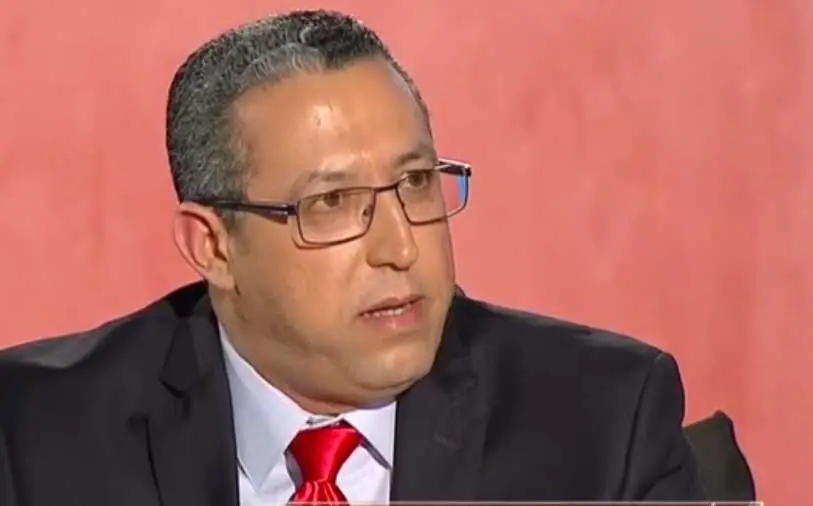
The Moroccan Sahara issue has entered a new phase of strategic transformation and international advocacy, according to Ahmed Al-Aqad, a member of the Political Bureau of the Socialist Union of Popular Forces. He emphasized that the royal diplomacy has opened up new horizons and called for continued national, party, and parliamentary mobilization to defend the territorial integrity of Morocco. This development is a culmination of Morocco's historical and political journey.
Al-Aqad highlighted that Morocco has accumulated significant milestones throughout its national and political history, forming a solid foundation for its national cause. He noted that the current phase represents a continuation of this historical accumulation and a culmination of a long process of national and diplomatic work. The royal leadership has played a crucial role in this development, with King Mohammed VI's vision and strategic approach contributing to a change in the international community's perception of the issue.
The international dynamic launched by King Mohammed VI has contributed to a change in the nature of international interaction with the national issue, opening up new possibilities to overcome the stagnation that had characterized this file for years. Al-Aqad emphasized that the Socialist Union will continue to monitor the developments and express its satisfaction with the contents of the Royal Palace's statement issued on October 30. The party will remain committed to supporting the upcoming steps, based on its conviction of the need for continued national mobilization.
Al-Aqad highlighted the importance of the stage, not only in terms of the nature of the developments recorded but also in how they are politically and diplomatically invested. He stressed that Morocco has a strategic vision for various possible scenarios and that the royal wisdom and continuous follow-up of the file's developments remain a basis for managing the upcoming transformations. The royal guidance to institutions, each according to their constitutional competencies, reflects the nature of the institutional state.
The Moroccan Sahara issue has become a yardstick for measuring the credibility of friendships and partnerships. Al-Aqad emphasized that Morocco is not a subject of understandings or negotiations between international parties with the absence of its presence and interests. Instead, it is a directly concerned state with its national issue and a decision-maker regarding its territorial integrity. The royal guidance considers the Moroccan Sahara as the glasses through which Morocco looks at the world.
Al-Aqad called for continued vigilance and collective mobilization, with the participation of political parties, union bodies, and civil society components. He emphasized that the achievements at the international level require continued work to consolidate and develop them, rather than dealing with positive developments as the end of the journey. The party's diplomatic efforts will continue to defend the national cause, with a focus on bilateral and multilateral relations.
The Socialist Union's presence within international organizations, such as the Socialist International, has provided greater opportunities for advocating Moroccan Sahara. Al-Aqad highlighted the party's contribution to shaping initiatives and producing political positions, making party diplomacy a field for effective advocacy for national interests. The party's experience in international forums has led to initiatives and political declarations, including the Marrakech Declaration and the Colombia Declaration.
Key points
- The Moroccan Sahara issue has entered a new phase of strategic transformation and international advocacy.
- The royal diplomacy has opened up new horizons for Morocco's national cause.
- Continued national, party, and parliamentary mobilization is necessary to defend Morocco's territorial integrity.
Reporting sources
- أحمد العاقد: قضية الصحراء المغربية تدخل مرحلة جديدة من التحول الاستراتيجي والترافع الدولي · Al Ittihad Al Ichtiraki