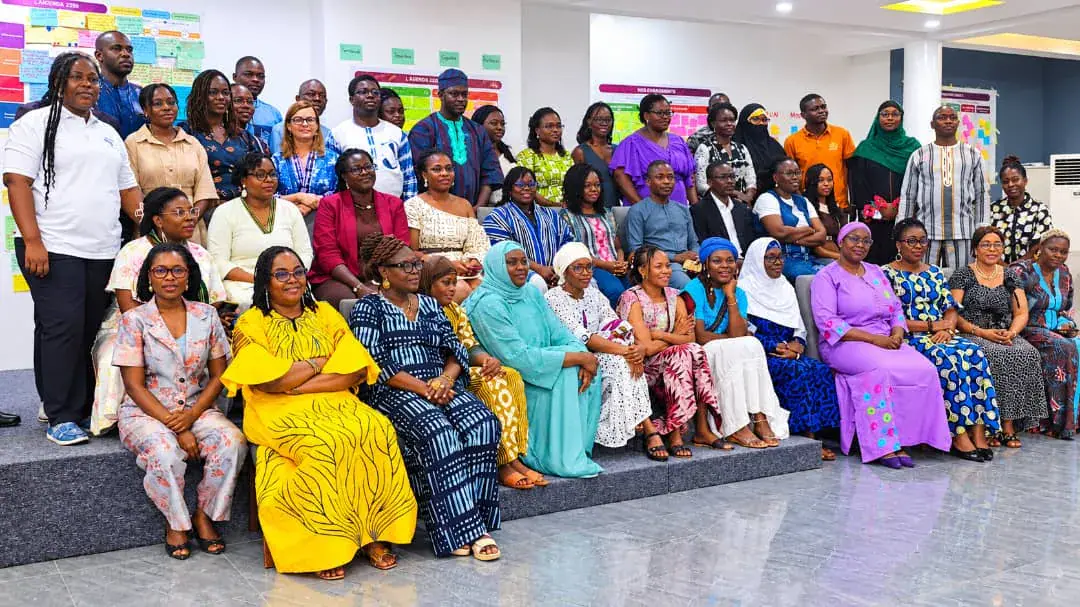
The "Feminist Agendas, Peace and Security - West African and Sahel Women in Solidarity for Peace" project has ended after three years of operation in several West African and Sahel countries, including Benin, Burkina Faso, Côte d'Ivoire, Niger, Chad, Togo, and Senegal. The project's closure was marked by a regional workshop in Cotonou, where stakeholders gathered to review achievements and discuss future prospects. Funded by the French Development Agency, the project aimed to enhance the role of women and youth in preventing conflicts and promoting peace.
The project was implemented by a consortium of organizations, including Equipop, Ong Fad, Gorée Institute, and Diakonia. It sought to strengthen the contribution of women's and youth organizations to the implementation and monitoring of UN resolutions 1325 and 2250, which relate to women, peace, and security, and youth, peace, and security, respectively. According to Romance Hounkpatin, a program officer at Equipop, the project has helped recognize the crucial role women and youth already play in preserving peace and security in their communities.
Hounkpatin noted that women have a unique capacity to observe local realities, detect tensions, and access areas that may be difficult for security forces or administrative authorities to reach. The project has enabled them to better understand international instruments that acknowledge and legitimize their contributions. One of the project's key achievements is the establishment of committees and groups comprising women and youth who can now express their concerns, make proposals, and engage with local stakeholders.
In Niger, the project supported organizations operating in areas affected by high levels of insecurity. Samiratou Pambert, project manager at Ong Fad, said her organization provided financial and technical support to 15 national and local organizations over the past two years. This support helped strengthen their intervention capacities and gain greater recognition for their actions on the ground. In Diffa and Tillabéri, areas particularly affected by insecurity, some organizations were able to conduct activities benefiting communities that are often difficult to access.
The project's impact was also felt in Benin, where institutional actors welcomed the approach. Janvier Gaga, representing the director of the Littoral Departmental Family and Social Action, praised the project's relevance in areas exposed to security risks, particularly in northern departments. He highlighted actions taken to prevent conflicts, combat violence against women and girls, and promote peace-friendly behaviors. As the project comes to a close, stakeholders are calling for sustained mobilization to maintain the momentum.
While the results are encouraging, Hounkpatin warned that progress remains fragile in the face of persistent security challenges and declining international funding. She emphasized the need to continue supporting women's and youth organizations, ensuring their access to decision-making spaces, and strengthening institutional support from communities to national and regional levels. The project's legacy will depend on the ability of stakeholders to consolidate gains and build on the progress made.
The project's closure workshop in Cotonou provided a platform for stakeholders to share experiences and reaffirm the importance of recognizing women and youth as key actors in conflict prevention and sustainable peacebuilding in West Africa and the Sahel. As the region continues to grapple with security challenges, the project's outcomes serve as a reminder of the critical role women and youth can play in promoting peace and stability.
Key points
- The project's impact will be sustained through continued support for women's and youth organizations.
- Women and youth have been empowered to contribute to peace and security efforts in their communities.
- The project's legacy will depend on the ability of stakeholders to consolidate gains and build on progress made.