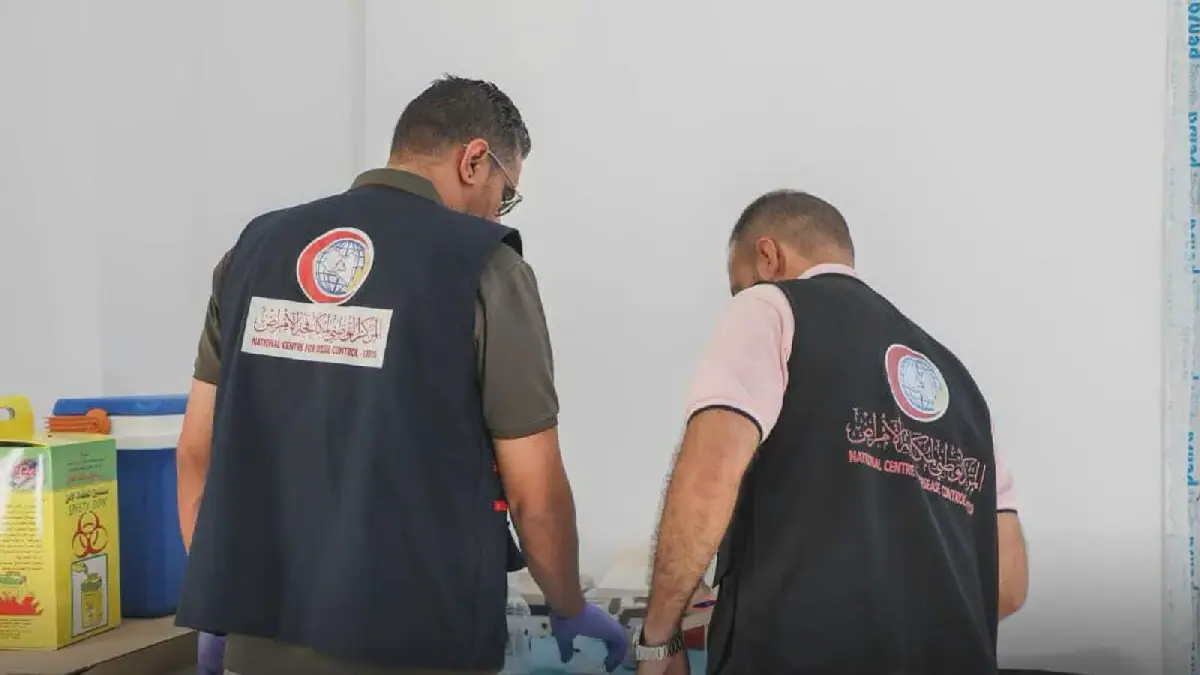
The National Center for Disease Control in Libya has confirmed that there are no reported cases of Ebola in the country. According to a statement released on Friday, the center is closely monitoring the situation and has heightened surveillance measures in place. This comes as the Ebola outbreak continues to spread in several African countries. The center is working closely with national and international health authorities to track the outbreak.
The center warned of the outbreak of the "Bundibugyo" strain of the Ebola virus, which started in the Democratic Republic of Congo in May 2026. This outbreak is considered the largest recorded for this strain and the second-largest Ebola outbreak in history. According to data from the World Health Organization, there have been 9,668 confirmed cases and 4,649 deaths reported. The situation remains concerning, with a 10.4% increase in cases reported in the past three weeks.
The outbreak has spread to Kenya and Nigeria, with over 31,000 contacts being monitored and 66 health zones affected across eight provinces. The center reported that 301 healthcare workers have been infected, resulting in 48 deaths. Currently, there is no licensed vaccine or treatment available for this strain of the virus. The virus is primarily spread through direct contact with infected bodily fluids, contaminated surfaces, or infected animals.
The National Center for Disease Control has advised citizens to avoid non-essential travel to countries affected by the outbreak, including the Democratic Republic of Congo, Kenya, and Nigeria. The center also urged citizens to adhere to preventive measures and report any symptoms or travel history to health authorities upon arrival. Those who have come into contact with individuals from affected areas are advised to monitor their health for 21 days.
The center has activated its rapid response teams and enhanced surveillance measures to detect any potential cases. The teams are working closely with health authorities to ensure a swift response in case of any suspected cases. The center has also issued guidelines for healthcare facilities and laboratories to ensure they are prepared to handle any potential cases.
The Libyan government has been informed of the situation, and relevant ministries and institutions have been advised to take necessary precautions. The center has also requested that individuals planning to travel to affected countries or have recently visited these countries to report to health authorities. This is part of the efforts to prevent the spread of the virus and ensure public safety.
The National Center for Disease Control continues to work closely with international health authorities to monitor the situation and respond to any potential cases. The public is advised to remain vigilant and follow the guidelines issued by the center to prevent the spread of the virus. Key points include avoiding non-essential travel to affected countries and reporting any symptoms or travel history to health authorities.
Key points
- No Ebola cases reported in Libya
- Outbreak of "Bundibugyo" strain in African countries
- Travel warnings and precautions advised for citizens