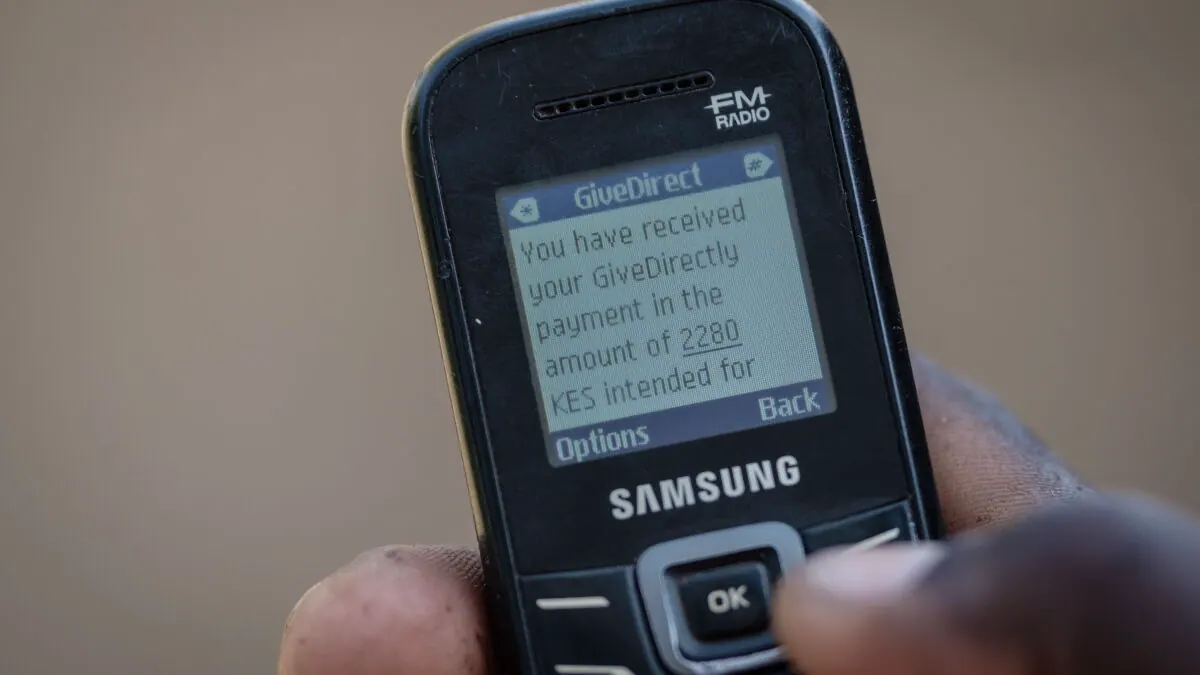
In a bid to alleviate poverty, countries have long employed cash transfer programs, providing a lump sum to needy families to help them build income and meet basic needs. Liberia, one of the world's poorest nations, has seen success with such programs, with the government providing approximately $250 per year to a household. The funds are typically managed by one member, often a woman, to benefit the entire family.
Liberia's cash transfer program targets women, aiming to give them economic control and reduce gender inequality. However, some men felt excluded from the process, leading the Liberian government, World Bank, and GiveDirectly to design a new experiment. In 2022, over 2,300 households in Maryland and Bomi counties received $750 in four installments, with both partners receiving equal payouts and an equal say in spending.
To encourage joint decision-making, researchers added a financial planning element for half of the participating households. This involved a 45-minute session where couples detailed their spending plans, which were then documented on posters with pictures and stickers. The goal was to help families generate more income and reduce household tension, which is particularly high in Liberia, where nearly 35% of women report experiencing intimate partner violence.
The study's results, released in July, showed that households that received the joint financial planning element were economically better off than those that only received the cash transfer. One participant, Christian, used her cash to pay school fees for her five children, buy rice, and pay off debt, while her husband purchased solar light bulbs and cement to repair their leaky roof.
However, the study also revealed a surprising consequence: an increase in intimate partner violence among couples determined to be at high risk for violence. Researchers hypothesize that conflict may have arisen when one partner deviated from a jointly committed plan, or when the planning shifted the power dynamic from men to women, giving women more agency in spending.
According to Amber Peterman, an impact evaluation specialist at UNICEF, the findings highlight the need to tweak the planning element to prevent conflict. The researchers plan to repeat the study with modifications that could help mitigate this issue, provided they secure funding. The study's results offer valuable insights into the complexities of cash transfer programs and their impact on household dynamics.
The Liberian government's national coordinator for social protection, Aurelius Butler, notes that the program's design components, including targeting women and promoting joint decision-making, are crucial in addressing poverty and inequality. As the researchers move forward with their study, they aim to refine their approach to maximize the benefits of cash transfer programs while minimizing potential drawbacks.
Key points
- The Liberian cash transfer program yielded positive economic results but also an unexpected increase in intimate partner violence among high-risk couples.
- The study highlights the importance of considering the potential impact of cash transfer programs on household dynamics and intimate partner violence.
- Researchers plan to repeat the study with modifications to mitigate the issue of increased conflict among high-risk couples.