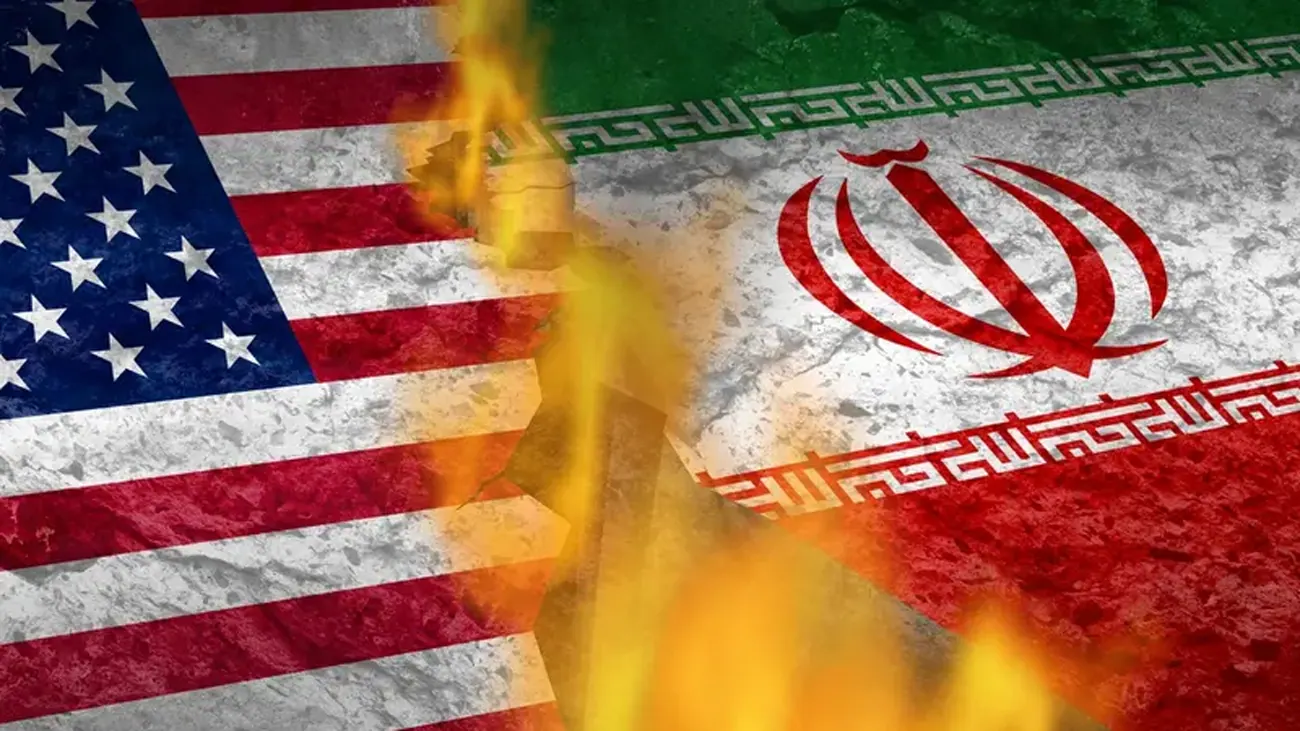
Iran's official news agency IRNA reported on Monday that no new talks are scheduled between Iran and the United States. This comes a day after US President Donald Trump said he expected negotiations to resume between the two countries this week. According to IRNA, a source close to the Iranian delegation in New York for the United Nations General Assembly meetings said the delegation does not intend to hold talks with the US.
President Trump had expressed optimism about renewed talks with Iran in an interview with Axios, saying he expected US negotiators to engage with Iran this week. This was after he rejected an Iranian proposal to end hostilities and reopen the Strait of Hormuz. The Iranian proposal, presented last week, suggested reopening the Strait of Hormuz and resuming nuclear talks within seven days in exchange for the US lifting its naval blockade and agreeing to a ceasefire.
IRNA reported that Iran's positions were clearly conveyed to the US side through a Qatari mediator on Tuesday. The Iranian delegation is set to return to Tehran on Tuesday. Iranian Foreign Minister Abbas Araghchi stated that Tehran remains committed to a diplomatic solution and is awaiting an official US response through mediators. The mixed signals on the timing of potential talks coincide with ongoing disagreements between the US and Iran over conditions for ending the conflict and reopening the Strait of Hormuz.
The Strait of Hormuz is a critical passage for oil shipments in the region. The deadlock in talks has led to increased oil prices, with Brent crude rising over three percent in early trading on Monday. This surge is attributed to persistent concerns about global energy supplies. The uncertainty surrounding potential US-Iran talks continues to impact the oil market.
The Iranian delegation's participation in the UN General Assembly meetings in New York provided an opportunity for potential diplomatic engagement. However, the absence of scheduled talks between Iran and the US has contributed to the ongoing uncertainty. The Qatari mediator played a role in conveying messages between the two countries, highlighting the importance of diplomatic channels in the conflict.
The conflict between the US and Iran has been marked by periods of heightened tension and attempts at diplomatic resolution. The rejection of the Iranian proposal by President Trump, while keeping the door open for future talks, reflects the complexities of the negotiations. Iran's commitment to a diplomatic solution, as stated by Foreign Minister Araghchi, suggests a continued interest in finding a peaceful resolution.
The situation remains fluid, with the international community closely watching developments between the US and Iran. The impact on global energy markets and broader geopolitical implications make the potential for future talks significant. As of now, the two countries have no new talks scheduled, according to IRNA.
Key points
- No new talks are scheduled between Iran and the US, according to Iran's IRNA news agency.
- The mixed signals on potential talks reflect ongoing disagreements between the US and Iran over conditions for ending the conflict.
- The uncertainty surrounding US-Iran talks has contributed to increased oil prices, with concerns about global energy supplies.