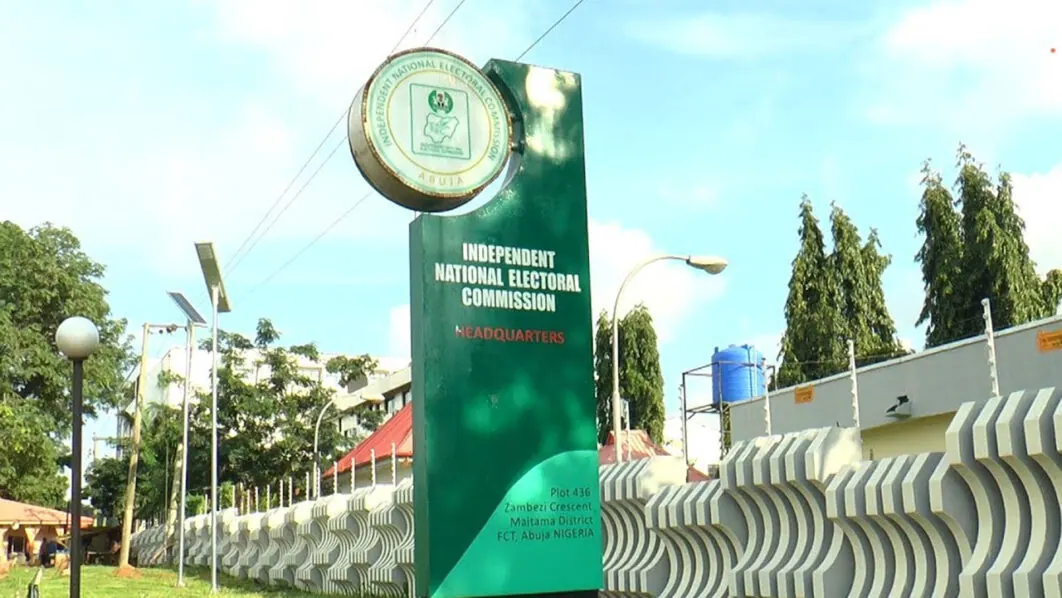
The Independent National Electoral Commission (INEC) is working to ensure that election officials and materials arrive at polling units by 7:30 a.m. during the 2027 general elections. This move aims to prevent delays that could create tension and suspicion among voters. INEC's deputy director of information, Wilfred Ifogah, disclosed this on a recent television programme, highlighting the commission's preparations for the 2027 elections.
INEC's chairman, Joash Amupitan, has emphasised the importance of timely arrival of election officials and materials at polling units. The commission's guidelines require officials to arrive at least one hour before voting begins. However, recent elections have recorded delays, including the August 2026 Osun State governorship election, where officials arrived late at some polling units. Yiaga Africa reported that INEC officials had arrived at 78 per cent of the 300 polling units it observed by 8:30 a.m.
The planned early deployment comes as INEC reviews its experience from recent off-cycle elections, including the Anambra, Federal Capital Territory, and Ekiti elections. The commission has identified logistical challenges and is working to improve its preparations for the 2027 general elections. INEC is engaging transport unions, including the National Union of Road Transport Workers and the Road Transport Employers Association of Nigeria, to enhance the movement of personnel and election materials.
INEC is developing a transport matrix to address logistical challenges during the elections. The commission's Registration Area Centre arrangement will also help reduce delays by moving election personnel and materials closer to polling units a day before the election. This arrangement will eliminate the need for materials and personnel to travel from local government INEC offices to polling units on election morning.
The commission has introduced digital platforms to track the movement of election materials, including when they leave, who is responsible for them, and when they arrive at their destinations. This new system will enable INEC to monitor and address any issues that may arise during the transportation of materials. However, achieving 100 per cent timely deployment may be difficult due to unforeseen circumstances, including difficult terrain and other logistical challenges.
INEC has released details of the latest voters' register, which now contains 103.43 million registered voters. Voters aged 35 to 49 form the largest group, with 43.27 million registered voters, followed by those aged 18 to 34 with 29.78 million. The register also contains 232,658 persons with disabilities across 10 categories. Male voters account for 53.53 million, or 51.75 per cent, while female voters number 49.90 million, representing 48.25 per cent.
Experts have commended INEC's preparations but emphasised that the commission's plans will ultimately be judged by how well they are implemented. They have urged INEC to have contingency plans for possible failures by transport providers and to pay greater attention to persons with disabilities. INEC has planned to provide sign language interpreters for voters with deafness, a move that has been welcomed by stakeholders.
Key points
- INEC aims to have election officials and materials arrive at polling units by 7:30 a.m. during the 2027 general elections.
- The commission is engaging transport unions to improve the movement of personnel and election materials.
- INEC has introduced digital platforms to track the movement of election materials and has planned contingency measures for possible logistical challenges.