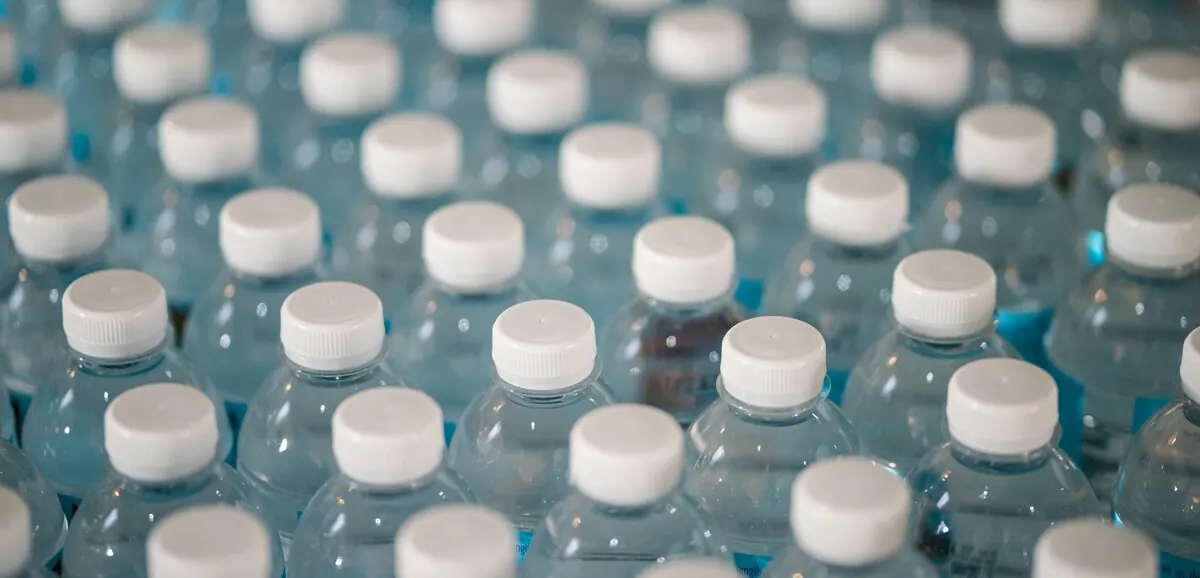
The government of Guinea has imposed a cap on the prices of bottled water in response to a shortage triggered by the ban on individual water sachets. As of October 7, the maximum retail price for a pack of six 1.5-liter bottles has been set at 25,000 Guinean francs ($2.50). This move aims to regulate the market after the prohibition of single-use plastic water sachets led to a surge in demand for bottled water, resulting in significant price hikes.
The ban on single-use plastic water sachets and other plastic items came into effect on September 20, as part of efforts to promote public health and address waste management issues in Conakry. The sachets, which were widely consumed due to their low cost of around 500 Guinean francs ($0.05), were a popular choice among the population. However, their prohibition has led to a shortage of bottled water, with stocks rapidly depleting and prices skyrocketing.
The Union for Consumer Defense in Guinea has called for a one-year moratorium on the ban, citing the need for viable alternatives. M'Bany Sidibé, president of the union, emphasized that the current situation is unsustainable. Meanwhile, Souleymane Fofana, president of the Mineral Water Producers' Union, expressed regret that industries had not anticipated the ban, leading to insufficient production capacities and a shortage of plastic materials for bottling.
The shortage of bottled water has raised concerns about public health, as some consumers are turning to wells and boreholes for water, which can be contaminated. Dr. Ben Youssouf Keita warned of a potential increase in cases of diarrhea, dysentery, and typhoid fever. He urged the government to launch a prevention campaign to encourage people to boil water from wells and boreholes to eliminate bacteria.
The government's decision to cap water bottle prices aims to make the essential commodity more affordable for the population. However, the long-term sustainability of this measure remains uncertain, given the ongoing shortage of bottled water. The government may need to address the root causes of the shortage, including the lack of production capacity and the need for alternative packaging materials.
The situation in Guinea highlights the challenges of implementing policies aimed at reducing plastic waste and promoting public health. While the ban on single-use plastic water sachets is intended to mitigate environmental and health issues, its implementation has created unintended consequences, including a shortage of essential goods. The government will need to balance these competing interests to find a sustainable solution.
As the situation continues to unfold, stakeholders are closely monitoring the impact of the government's measures on the market and public health. The effectiveness of the price cap and the availability of bottled water will be crucial in determining the success of the policy. Meanwhile, consumers are adapting to the new reality, seeking alternative sources of clean drinking water in the face of the ongoing shortage.
Key points
- The Guinea government sets maximum price for water bottles to address shortage caused by ban on individual water sachets.
- The ban on single-use plastic water sachets aims to promote public health and address waste management issues in Conakry.
- The shortage of bottled water raises concerns about public health, with some consumers turning to potentially contaminated wells and boreholes for water.