A severe aid crisis is unfolding in South Sudan as food stocks dwindle and funding shortages threaten life-saving assistance for over one million vulnerable people. The World Food Programme (WFP) reports that food stocks in Malakal, a key logistics hub, have drastically fallen from 10,000 metric tonnes to less than 300 tonnes over the past year. This decline comes as humanitarian agencies face reduced resources while needs continue to escalate.
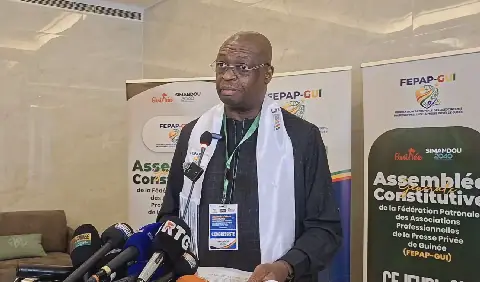
The crisis has been exacerbated by the ongoing war in Sudan, which has driven up prices and added pressure on a country already struggling with the influx of refugees. The WFP assistant executive director, Matthew Hollingworth, recently visited Renk, Malakal, and Pigi county, where he witnessed firsthand the challenges facing communities affected by conflict, displacement, hunger, and climate shocks. He noted that the war in Sudan has led to significant price increases due to import complexities.
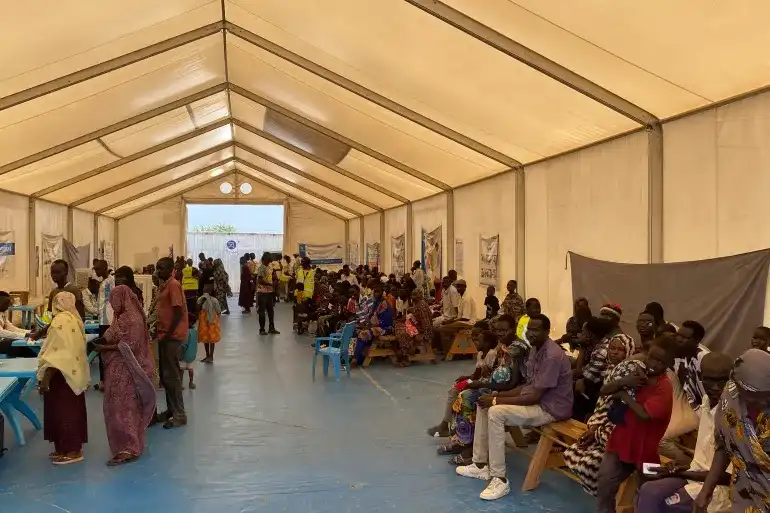
The influx of refugees and returnees from Sudan continues to strain resources in South Sudan, with approximately 3,000 people crossing the border every week. Many arrive hungry, exhausted, and with limited financial resources. Hollingworth emphasized that the international community has limited resources to provide assistance, and the government of South Sudan must address issues such as illegal checkpoints that hinder aid delivery.
Displaced persons, like Peter Maker from Pigi, are struggling to cope with the challenges of insecurity and limited access to farmland. Maker attributed much of the local suffering to political leadership and divisions between communities. He stressed that longer-term solutions are needed and warned that further cuts or blockages to assistance would have devastating consequences.
The WFP has warned that unless additional resources are secured, over one million people could lose access to life-saving food and nutrition assistance by October. The agency is working to address the crisis, but its efforts are hindered by funding shortages and logistical challenges. Hollingworth emphasized the need for sustained support from the international community to address the humanitarian needs in South Sudan.
The situation in South Sudan is further complicated by climate-related shocks, including drought and flooding. In Renk, Hollingworth observed the effects of drought alongside areas still affected by flooding. The combination of these factors has created a perfect storm of humanitarian needs, which humanitarian agencies are struggling to address.
The humanitarian crisis in South Sudan highlights the need for a comprehensive and sustained response to address the root causes of the crisis. The WFP and other humanitarian agencies are working to provide assistance, but a long-term solution requires a concerted effort from the government, international community, and local stakeholders. The situation remains dire, and urgent action is needed to prevent further humanitarian catastrophe.
Key points
- Over one million vulnerable people in South Sudan could lose access to life-saving food and nutrition assistance by October due to funding shortages.
- The war in Sudan has driven up prices and added pressure on South Sudan, which is already struggling with the influx of refugees.
- Humanitarian agencies face significant challenges, including funding shortages, logistical hurdles, and insecurity, in delivering life-saving assistance to those in need.