In the bustling markets of Bamako, a lesser-known group of artisans play a significant role in the city's spiritual and cultural life. These skilled craftsmen create and sew protective coverings for amulettes, known locally as gris-gris or talismans. The amulettes are often provided by marabouts or traditional practitioners as remedies for various ailments or as objects believed to offer protection or good fortune. Despite their importance, the artisans who make these cordons face numerous challenges.
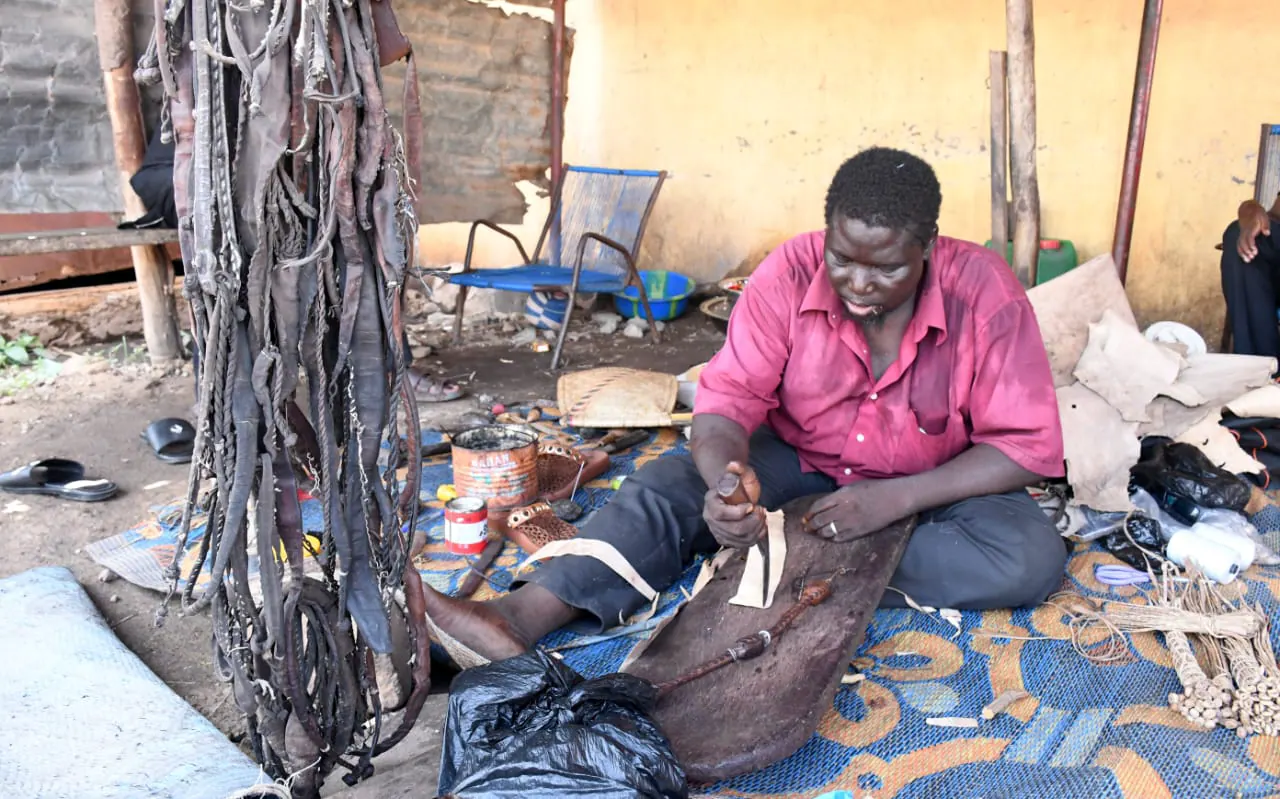
Sékou Dramé, an artisan based at the Yirimadio market, shares insights into the realities of this profession. A native of Bandiagara in the Dogon region, Dramé has been making amulet cords for about a decade and was one of the first cord makers to set up shop at Yirimadio. His work is in high demand, reflecting the significance of these protective items in Malian culture. However, some client requests can place Dramé and his colleagues in uncomfortable or even risky situations.
Dramé recounts an incident where a woman from the United States approached him with an unusual request. She wanted him to travel to her home to craft a protective covering for her amulette, under the condition that he would work nude. This demand, along with a substantial payment offer, put Dramé in a difficult position. He declined the proposal, citing personal boundaries and safety concerns. The woman eventually found another artisan willing to accept her terms, but Dramé notes that this colleague later died under mysterious circumstances.
The work of amulet cord makers like Dramé is not only about creating physical objects but also about navigating the complex web of beliefs and expectations surrounding these items. Clients often have specific requirements, some of which may seem unusual or even risky to outsiders. Despite these challenges, the artisans continue to provide a vital service, one that is deeply ingrained in the cultural and spiritual practices of many Malians.
On a typical day at the Yirimadio market, the atmosphere is lively and bustling. The market is a hub of activity, with vendors selling a wide range of goods and services. Amidst the chaos, Dramé and his fellow artisans work quietly, focused on their craft. Their stalls may not be as eye-catching as those of other artisans, but their work is highly valued by those who seek the protection and blessings offered by the amulettes.
As an heir to this traditional craft, Dramé takes pride in his work and the skills passed down through his family. While acknowledging the difficulties and risks associated with the profession, he also highlights the benefits it has brought him and his family. The income generated from making amulet cords allows him to support his loved ones and maintain a sense of dignity and purpose.
The story of Sékou Dramé and his fellow amulet cord makers offers a glimpse into a lesser-known aspect of Malian culture and economy. Their work, though often unseen, plays a significant role in the spiritual and daily lives of many people in Bamako. As the city continues to grow and evolve, the artisans who create these protective coverings remain an integral part of its fabric.
Key points
- Amulet cord makers in Bamako face unusual client demands and risks.
- The work provides a vital income for the artisans and their families.
- The craft of making amulet cords is a traditional and culturally significant one in Mali.