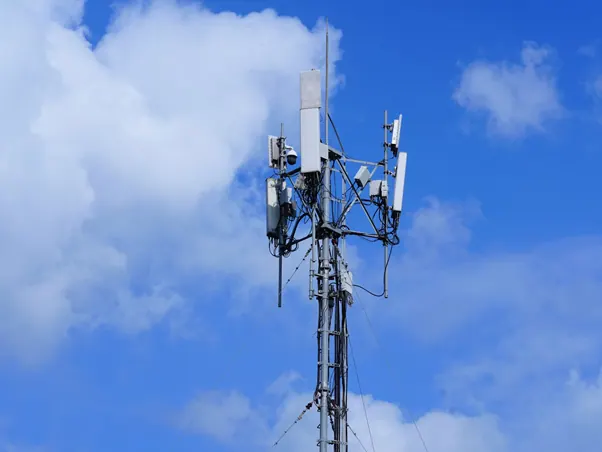
Nigeria is preparing to expand its 5G capacity as demand for mobile data continues to grow. The Nigerian Communications Commission (NCC) has earmarked the upper 6GHz band for future mobile-network use and plans to increase the amount of spectrum available to mobile operators by 2030. This move is expected to improve internet access, mobile performance, and digital services for millions of residents. Nigeria is Africa’s largest mobile market, and the additional capacity could become important as demand for mobile data continues to rise.
The immediate benefit of Nigeria's 5G expansion should be improved network capacity. More spectrum gives operators additional room to handle traffic, particularly in densely populated cities where many people are connecting to the same mobile sites. However, Nigeria’s network infrastructure continues to face serious disruption, with over 1,600 fibre cuts and over 500 network outages per month in 2024. New spectrum will not repair damaged fibre cables or resolve electricity shortages, but it can reduce congestion when the underlying network is functioning.
Faster and more reliable connections will benefit various industries and businesses, including online entertainment and gaming platforms that rely on dependable connections to deliver services. The upper 6GHz band is expected to support future mobile networks, while the lower 6GHz range has already been opened for licence-exempt Wi-Fi and wireless local-area network equipment. Together, these developments could improve cellular, home, and business connectivity.
Nigerians use smartphones for mobile banking, digital payments, online education, remote work, e-commerce, healthcare access, and government services. For small businesses, stronger 5G networks could make it easier to process payments, communicate with customers, manage online shops, and use cloud-based software. Freelancers and remote workers may also benefit from more stable connections for video meetings, file transfers, and international collaboration.
However, Nigeria’s 5G progress is not evenly distributed. Users in the strongest urban markets can receive connections that are 30% to 40% better than those available in rural and northern communities. Lagos, Rivers, and the Federal Capital Territory benefit from denser infrastructure, stronger backhaul, and higher investment than many areas outside the big commercial centres. As of July 2026, 5G represented 4.74% of mobile connections, up from 3.17% a year earlier.
The cost of 5G-compatible devices could influence how many Nigerians can benefit from faster networks. The NCC’s proposed Device Management System (DMS) would require mobile devices to be registered using their International Mobile Equipment Identity (IMEI) numbers before they could be sold or connected to Nigerian networks. However, industry stakeholders are concerned that the process could increase costs for importers, traders, repairers, and consumers.
The test of Nigeria's 5G success will be whether fast, stable, and affordable connectivity becomes normal across the country, rather than only concentrated in wealthier urban districts. According to analyst Paul Balo, Nigeria can celebrate its growing 5G share without acting as though the work is complete. If the DMS is implemented fairly, it could improve device security and make it harder for stolen or cloned phones to operate on Nigerian networks.
Key points
- Nigeria's 5G expansion promises improved internet access and mobile performance.
- Success depends on affordable smartphones and data plans.
- Unequal access to 5G services remains a challenge.