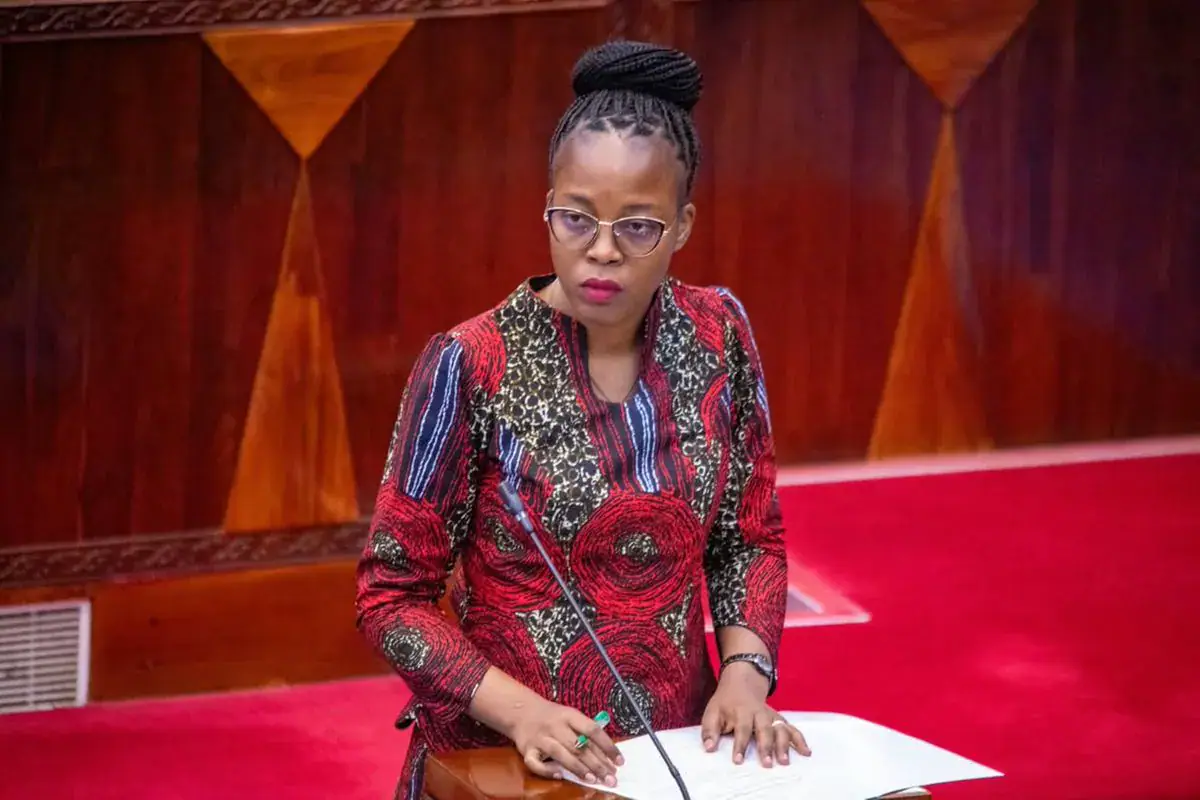
The Tanzanian government is seeking to improve access to reliable water sources for livestock keepers through joint investments in dams and boreholes. Deputy Minister for Livestock and Fisheries Ng'wasi Damas Kamani stated that the government would continue to bring together the ministries responsible for livestock, agriculture, and water to coordinate budgets and investments in water infrastructure. This move aims to address the challenge of water availability for livestock, which affects both livestock keepers and farmers. The coordination effort is expected to benefit various stakeholders, including those in the livestock and agricultural sectors.
The government's strategy for coordinating the three ministries was questioned by Kiteto MP Edward Kisau Olelekaita, who asked about plans to improve water infrastructure in his constituency. Ms. Kamani responded that the government recognized the importance of the Kiwani livestock water dam project in Ndeda Ward, Kiteto District, and would consider it in the ministry's budget plans to facilitate its completion. The project aims to improve water availability for livestock and surrounding communities, particularly in an area where access to reliable water sources is crucial for livestock production.
According to Ms. Kamani, the government had established a framework for ministries to jointly plan budgets and develop water infrastructure, as per a ministerial resolution reached in Mbeya in 2022. The resolution brought together nine ministries, including those responsible for livestock and fisheries, agriculture, water, energy and minerals, as well as the Prime Minister's Office. Through this resolution, the ministries agreed to cooperate in budget planning and the development of water infrastructure for the benefit of all users, including livestock keepers and farmers.
Ms. Kamani cited examples of successful cooperation between ministries, including the construction of two boreholes by the Ministry of Agriculture in Iringa District Council for farmers and 18 boreholes built by the Ministry of Water in the Mtorofu area of Morogoro for livestock keepers. These examples demonstrate how cooperation between ministries can help extend water infrastructure to different groups of users instead of treating their needs separately.
The government is also promoting the use of drilling equipment and machinery for dam construction distributed across the country to improve water access in livestock-producing areas. The Sixth Phase Government, under President Samia Suluhu Hassan, is encouraging the use of this equipment to ensure that investments in water infrastructure also benefit the livestock sector.
Ms. Kamani assured that the Ministry of Livestock and Fisheries would continue working with other ministries to address water challenges facing livestock keepers, including in Kiteto District. However, she did not specify when the remaining funds for the Kiwani livestock water dam project would be released, leaving the project's completion timeline dependent on future budget allocations.
The government's efforts to improve water infrastructure for livestock keepers are expected to have a positive impact on the livestock sector, which is a significant contributor to Tanzania's economy. The sector provides employment and income for many Tanzanians, and improved access to water is crucial for its growth and development. Key initiatives, such as the Kiwani livestock water dam project, demonstrate the government's commitment to addressing the water needs of livestock keepers.
Key points
- The Tanzanian government is pushing for coordination among ministries to address livestock water shortages through joint investments in dams and boreholes.
- A ministerial resolution reached in Mbeya in 2022 brought together nine ministries to cooperate in budget planning and water infrastructure development.
- The government is promoting the use of drilling equipment and machinery for dam construction to improve water access in livestock-producing areas.