Youth unemployment in Ghana averaged 21.9 per cent during the first three quarters of 2025, significantly above the national unemployment rate of 12.8 per cent, according to the Ghana Statistical Service (GSS). The figures are contained in Ghana in Numbers 2025, the Service's maiden flagship statistical publication. This publication brings together official data on population, social development, the economy, governance, and the environment to guide national planning.
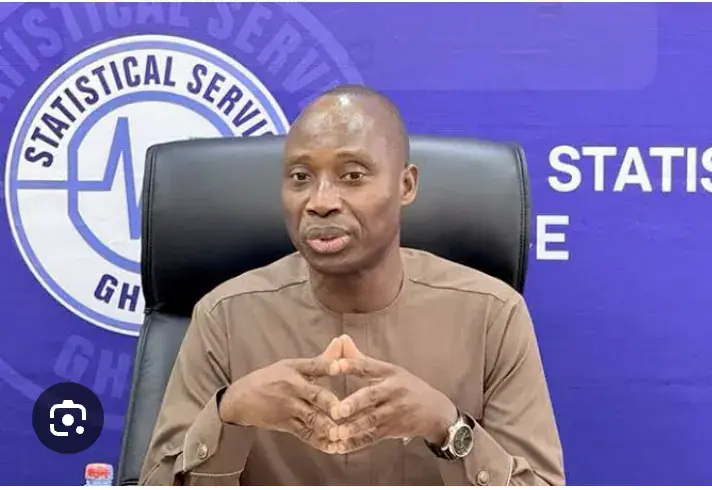
Government Statistician Dr Alhassan Iddrisu warned that Ghana must act quickly to convert its youthful population into an economic advantage. He stated that Ghana's youth window is open, but it is closing, and the choices made on schooling, skills, and jobs in the next ten years will decide whether it becomes a dividend or a burden. The GSS estimates that about 12 million Ghanaians were aged 15 to 35 in 2025, representing roughly one in every three people in the country.
Unemployment was highest among Ghanaians aged 15 to 24, averaging 32.4 per cent during the first three quarters of 2025. For the broader youth group aged 15 to 35, unemployment averaged 21.9 per cent, compared with the national average of 12.8 per cent. The figures show that young people in the labour force were significantly more likely to be unemployed than the general population, with the 15-to-24 age group facing the greatest difficulty.
The challenge extends beyond unemployment, with nearly two million Ghanaians aged 15 to 35 neither employed nor enrolled in education or training in the third quarter of 2025. The average rate of young people classified as not in employment, education, or training—known as NEET—was 17.9 per cent during the first three quarters of 2025. Women accounted for more than 60 per cent of young people in this category, according to the GSS.
The report also raises concerns about the quality of jobs available to young people, with more than 70 per cent of jobs in Ghana remaining in the informal sector. In this sector, workers often face low pay, limited protections, and job insecurity. Among employed young people, only 58 per cent said their educational level matched the requirements of their current job, while 65 per cent said their skills matched their work.
Employment opportunities also varied sharply across regions, with Greater Accra recording an average youth unemployment rate of 31.9 per cent among people aged 15 to 35, followed by the Central Region at 27.4 per cent and the Ashanti Region at 27.2 per cent. The GSS says Ghana's demographic window opened in the early 2000s but has been narrowing since 2019.
Despite improvements in Ghana's broader labour-market indicators, youth employment challenges persist. Labour-force participation increased from 67.1 per cent in 2022 to 74.5 per cent in 2025, while the proportion of the population in employment rose from 58.3 per cent to 65 per cent. However, young jobseekers continue to face substantially higher unemployment than the general population.
Key points
- Youth unemployment in Ghana averaged 21.9% in 2025.
- The demographic window for economic growth is closing.
- Nearly two million young Ghanaians are neither employed nor in education or training.