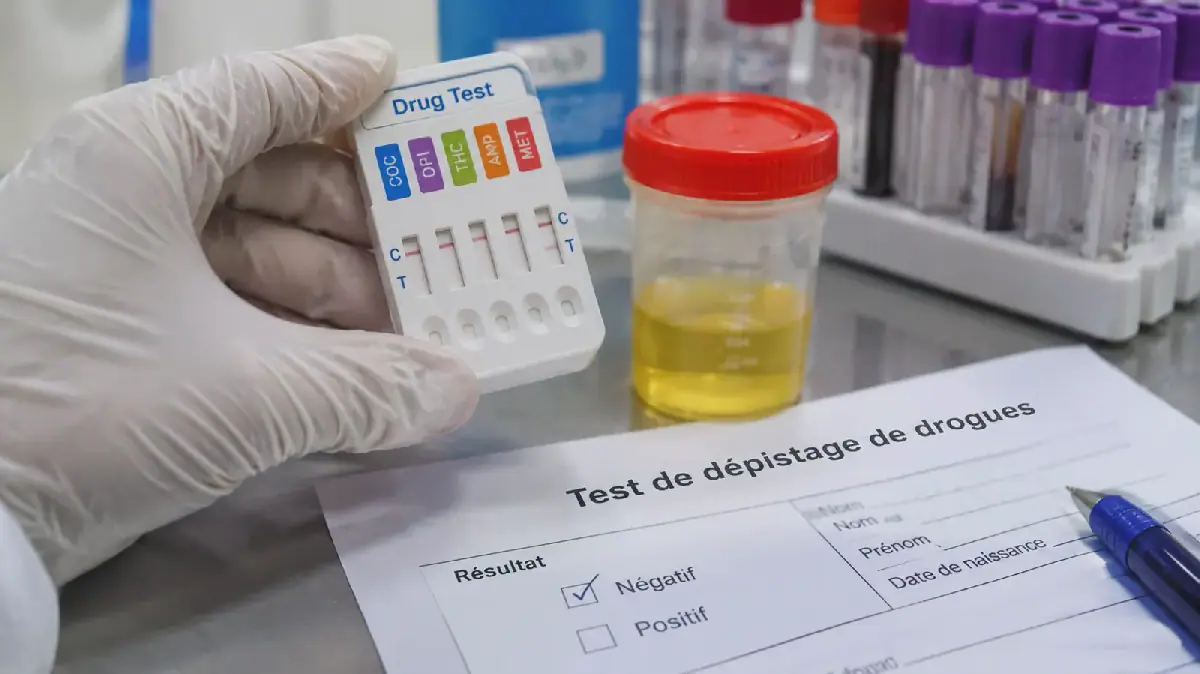
As of January 2026, Algeria has made it mandatory for all recruitment dossiers in both the public and private sectors to include a negative drug test result. This new requirement is part of the country's efforts to prevent substance abuse and ensure a safe and healthy work environment. The obligation also extends to public servants and employees who are candidates for professional exams. The test is one of the conditions that must be met for a recruitment dossier to be accepted.
The law on the prevention of the use and trafficking of narcotics, modified in July 2025, introduced this obligation. An executive decree issued on January 14, 2026, and published in the Official Journal on January 27, 2026, outlines the modalities of the test. The decree specifies that the test must be negative for a candidate's dossier to be considered. This requirement applies to all sectors, including public administrations, institutions, and private enterprises.
The obligation to present a drug test result does not only concern new candidates but also public servants and employees who are already in post and are applying for professional exams or promotions. The test can be carried out in public hospitals, where it may be free or at a symbolic price, or in private laboratories, which may charge between 1,500 and 3,000 Algerian dinars. The results of the test are valid for three months from the date of issuance.
The decree specifies that only laboratories authorized by the Ministry of Health can carry out the tests. An arrêté, or regulatory decree, from the Minister of Health is expected to list the authorized laboratories and outline the modalities of the analyses. Until this arrêté is published, candidates are advised to opt for tests carried out in public hospitals or to check with the recruiting organization for specific requirements.
A positive drug test result does not lead to a definitive exclusion from recruitment or professional exams. Candidates who test positive can reapply after undergoing the care and treatment measures provided for by the law on narcotics. However, presenting a false test result is punishable by law. The confidentiality of test results is also protected, and laboratories must preserve the confidentiality of results and respect the privacy of candidates.
The test requirement is not limited to the workplace but also extends to schools and universities. A second decree, published on the same day, provides for drug testing in colleges, high schools, universities, and vocational training centers for students who exhibit behavioral problems, aggressive behavior, or suspected substance abuse. For minors, the test requires the written consent of their legal representative.
The implementation of these measures aims to prevent substance abuse and ensure a safe environment in various settings. The Algerian government has taken steps to ensure that the tests are carried out in a fair and confidential manner, with measures in place to protect the rights of candidates and employees.
Key points
- The test results are valid for three months from the date of issuance.
- Only laboratories authorized by the Ministry of Health can carry out the tests.
- A positive drug test result does not lead to a definitive exclusion from recruitment or professional exams.