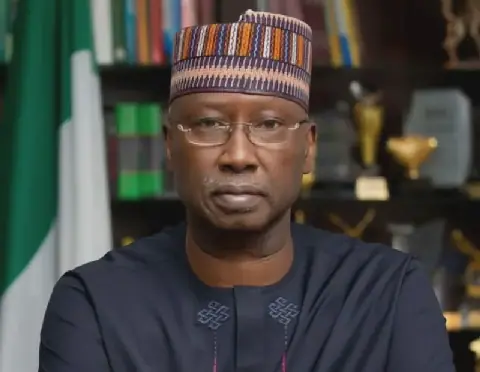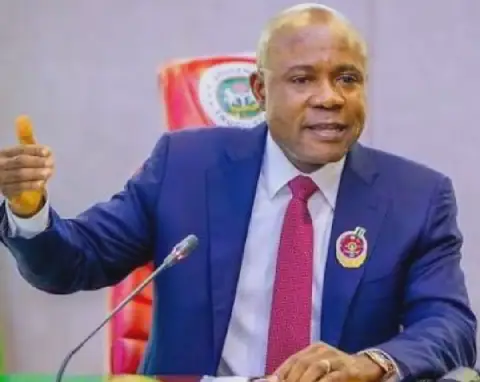
The New Patriotic Party's (NPP) decision to charge prospective parliamentary candidates GH¢5,000 to declare their intention to contest in the party's primaries has been criticised by the Director-General of the National Road Safety Authority (NRSA), Abraham Amaliba. He described the move as the monetisation of democracy, arguing that it undermines democratic participation and places an additional financial burden on those seeking to represent their constituencies.
The NPP announced new guidelines for selecting its parliamentary candidates ahead of the 2028 general elections, which include a requirement for prospective aspirants to submit their expressions of interest online between November 1 and 10 through its designated portal. Each applicant is expected to pay GH¢5,000 and undergo a vetting and screening exercise to determine their eligibility. This applies to all aspirants, including incumbent Members of Parliament.
Amaliba questioned the justification for charging aspirants to declare their intention to contest, arguing that the party's vetting process should be sufficient to determine whether applicants meet the requirements. He expressed his concerns on Accra-based TV3's New Day programme on Friday, October 30, stating that paying GH¢5,000 to declare intention to contest amounts to the monetisation of democracy.
The NPP has also scheduled capacity-building workshops for prospective candidates in December across the Northern, Middle and Southern zones. However, the party has maintained its directive suspending campaign activities until official clearance is granted. This move aims to ensure a smooth and transparent process for selecting parliamentary candidates.
Amaliba's criticism of the NPP's decision has sparked a debate about the democratisation process in Ghana. He asked, "Which democracy in this world does what they are doing?" This suggests that the NPP's move may be seen as undemocratic and restrictive to potential candidates who may not be able to afford the GH¢5,000 fee.
The NPP's new guidelines for selecting parliamentary candidates have raised concerns about the party's commitment to democratic values. The party's decision to charge a fee for declaring intention to contest has been seen as a barrier to entry for potential candidates who may not have the financial resources to participate in the process.
The controversy surrounding the NPP's decision highlights the challenges of balancing party interests with democratic principles. The party's move has sparked a national conversation about the democratisation process in Ghana and the need for inclusive and transparent processes for selecting candidates.
Key points
- NPP's GH¢5,000 fee for parliamentary candidates criticised as monetisation of democracy.
- Critics argue that the fee undermines democratic participation and restricts potential candidates.
- The NPP's new guidelines for selecting parliamentary candidates have sparked a national debate about democratic values in Ghana.