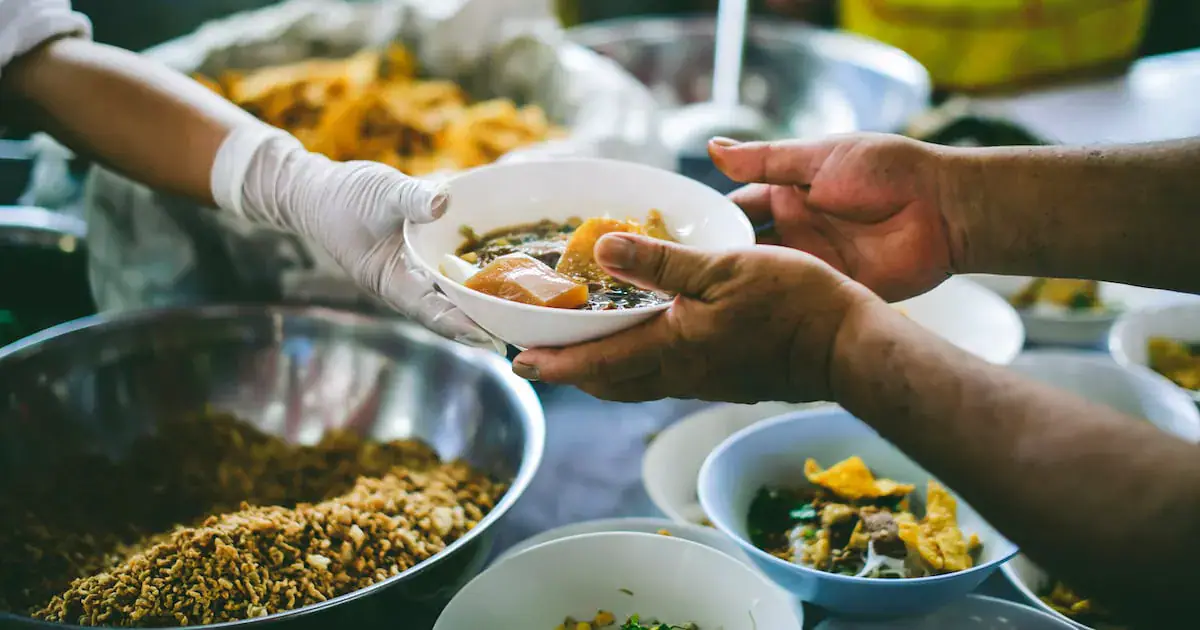
A concerning trend has emerged in some South African neighbourhoods where individuals scout for events like funerals, traditional ceremonies and weddings, not to attend, but to secure a meal. This harsh reality of hunger is often hidden in plain sight, affecting millions of people who struggle to access their next meal. According to Teddy Gomba, approximately 14 million South Africans go to bed hungry every night.
The Human Sciences Research Council reported that over 1,000 children died from malnutrition last year, and food insecurity affects around 63.5% of households across the country. Unemployment remains a significant driver of household hunger, with an unemployment rate of 33.6% in the second quarter of 2026. Food prices continue to pressure household budgets, making it difficult for families without a stable income to access food.
The Gauteng provincial government has implemented food security and poverty alleviation programmes to provide immediate relief and create opportunities for sustainable livelihoods. The department of social development collects, stores and distributes food to vulnerable households and non-profit organisations through its food distribution centres. Additionally, Community Nutrition and Development Centres offer free, nutritious daily meals to people experiencing poverty.
These centres serve as important entry points for skills development and other support services aimed at helping beneficiaries become self-reliant. The department's One NPO One Garden Initiative promotes sustainable food production by transforming community spaces into productive food gardens. Beneficiaries gain practical horticultural and agricultural skills, improving access to fresh produce.
The programmes also provide additional support through food parcels distributed to vulnerable households, including child-headed households and people living with HIV and Aids. The significance of these programmes extends beyond providing a meal, offering vulnerable individuals and families an opportunity to regain their independence and reduce long-term reliance on food assistance.
However, government interventions alone cannot eliminate hunger, and a collective response involving communities, businesses, civil society and households is required. Investment in urban agriculture, community food gardens, local food production and shorter food supply chains is increasingly important, particularly in townships and other disadvantaged communities.
Ultimately, providing food today saves lives, but empowering people to produce their own food and earn a sustainable living builds a future where fewer families will have to depend on events for their next meal. Gauteng's efforts aim to address the root causes of hunger and create a more food-secure future for its residents.
Key points
- Approximately 14 million South Africans go to bed hungry every night.
- Food insecurity affects around 63.5% of households across the country.
- Gauteng's department of social development implements food security programmes to provide immediate relief and create sustainable livelihoods.