The Algerian government has launched an initiative to scientifically document environmental damage caused by colonial practices. The effort, led by the Ministry of Environment and Quality of Life, aims to compile a comprehensive dossier on ecological harm inflicted during the country's colonial past. This initiative coincides with the 72nd anniversary of the start of the Algerian War of Independence.
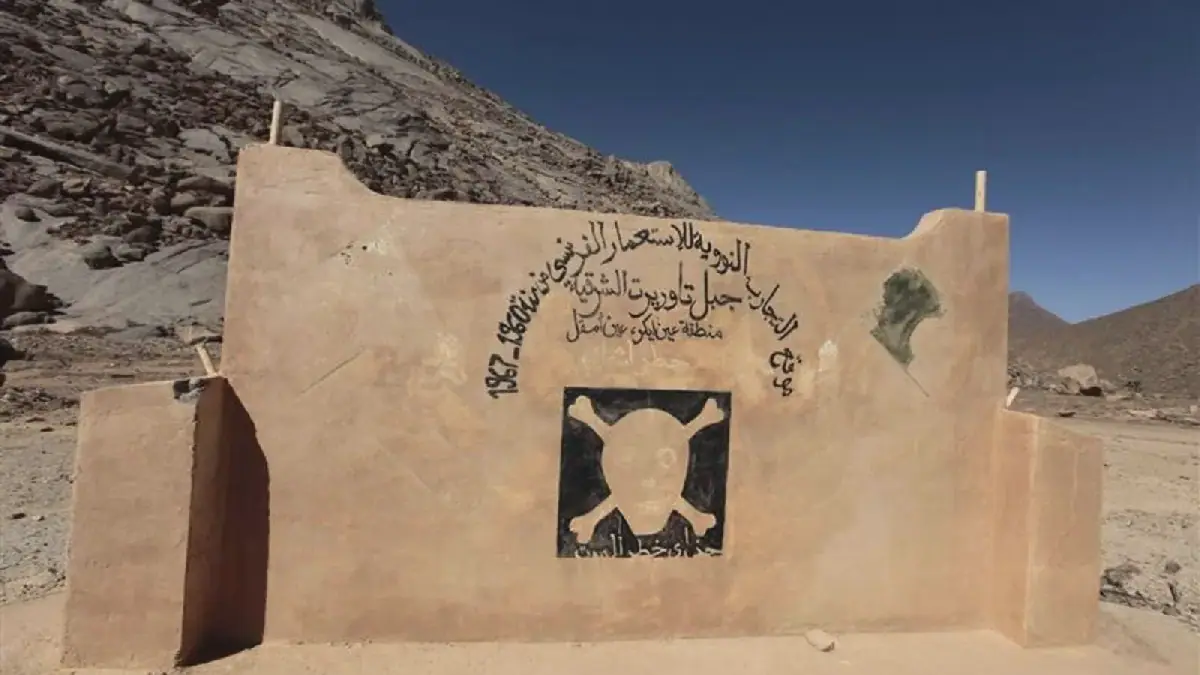
The colonial-era environmental damage includes the use of banned chemical weapons such as napalm, nuclear tests, and the deployment of millions of mines. These actions resulted in the destruction of vegetation and forests, disrupting the biological balance. According to Environment Minister Kaouter Krikou, the colonial-era crimes were not limited to human populations but also had a profound impact on the natural environment.
A national commission, established in November 2025, is gathering scientific evidence and historical testimonies to support the documentation of environmental damage. The commission's work is based on international conventions, including the Stockholm, Basel, and Ramsar conventions, as well as the Convention on Biological Diversity. These conventions provide a framework for documenting ecological harm through precise scientific analysis.
To support the documentation effort, a scientific guide titled "Chahed" was published in November 2025, and a national digital map of affected sites was launched in July 2026. The Algerian military has also played a significant role in addressing the legacy of colonial-era environmental damage, including the removal of over 10 million mines from the Challe and Morice lines along the country's eastern and western borders.
The demining efforts have allowed for the rehabilitation of over 62,000 hectares of contaminated land, equivalent to approximately 620 square kilometers. This land can now be safely exploited for various purposes. The initiative has been ongoing for several decades since Algeria gained independence. The government aims to use the compiled evidence to establish a clear record of colonial-era environmental damage.
Another critical aspect of the initiative is the ongoing decontamination of former French nuclear test sites in the Sahara, including In Ekker and Reggane. The Algerian government has expressed concerns about the lack of information from the French side regarding the disposal of radioactive waste. Despite these challenges, the government remains committed to achieving its objectives.
The environmental damage documentation initiative is a priority for the Algerian government, reflecting the country's commitment to preserving its national memory and securing the rights of future generations. The effort is part of a broader strategy to address the legacy of colonialism and promote environmental protection.
Key points
- The Algerian government aims to compile a comprehensive scientific dossier on environmental damage caused by colonial practices.
- The initiative is based on international conventions and aims to establish a clear record of colonial-era environmental damage.
- The documentation effort includes the removal of over 10 million mines and the decontamination of former nuclear test sites.