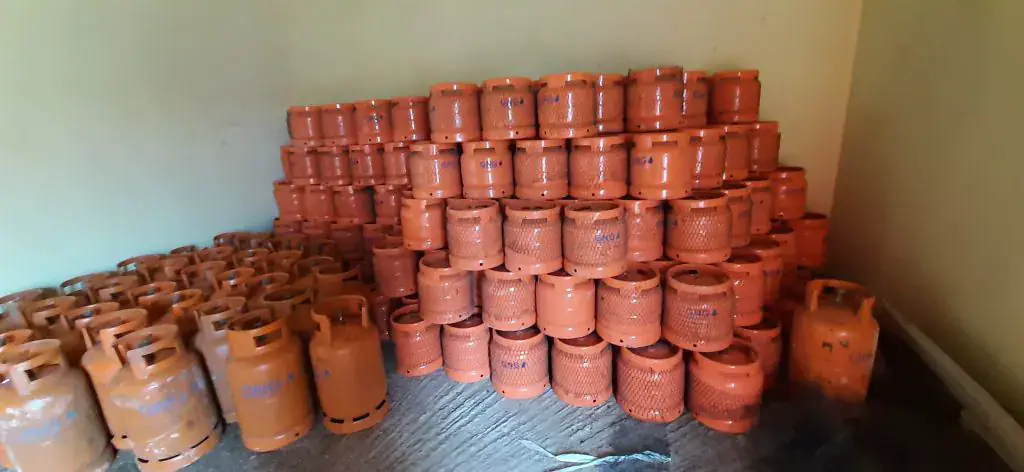
A severe gas shortage has gripped the urban commune of Labé in Guinea, leaving residents scrambling to access the essential commodity. For nearly two months, recharging a domestic gas cylinder has become a daunting task. The situation is attributed to supply chain disruptions, primarily caused by inefficiencies within the state. Mamadou Lamine Bah, a resident, shared his experience of searching for a refill point for three days, only to be offered an exorbitant price of 80,000 GNF, up from the usual 60,000 GNF.
The issue is not isolated, with many residents facing similar challenges. Mamadou Kobera Diallo, the regional inspector of environment, has also been struggling to refill his 12-kilogram gas cylinder for two months despite numerous attempts. He expressed frustration at the lack of success, with every refill point he visited citing stock shortages. The shortage has led to a surge in demand for alternative cooking fuels, potentially undermining efforts to transition away from wood and charcoal.
The crisis has sparked concerns about the environmental implications of a prolonged gas shortage. If households revert to using wood and charcoal, it could exacerbate pressure on Guinea's forests and hinder environmental preservation efforts. Mamadou Lamine Bah urged the authorities to intervene and ensure a stable gas supply to support the transition to cleaner fuels. He emphasized the importance of maintaining the momentum gained from the gradual shift towards gas.
According to well-informed sources, the shortage may be linked to issues with the public subsidy mechanism. The state is reportedly accumulating arrears with gas suppliers, leading to suspended deliveries. An anonymous source confirmed that Labé's gas refill stations have not received supplies for two months. Some stations are allegedly sourcing gas from neighboring Senegal to meet local demand.
The situation has become increasingly challenging due to a surge in demand for gas, driven by the population's shift towards this cleaner fuel. The existing refill stations in Labé, which include two major facilities, are struggling to cope with the demand. If the supply issues persist, it could undermine the progress made in promoting the use of gas as a primary cooking fuel.
Despite the challenges, some stakeholders remain hopeful that a resolution can be found. Efforts to address the supply chain disruptions and subsidy issues are necessary to prevent a further decline in gas availability. The authorities face pressure to act swiftly to mitigate the effects of the shortage and ensure a stable gas supply to the region.
The gas shortage in Labé highlights the complexities of managing energy supply chains in Guinea. With the country's efforts to promote cleaner fuels, addressing the underlying issues is crucial to sustaining progress. The situation underscores the need for effective coordination between stakeholders, including the state, suppliers, and consumers, to prevent similar crises in the future.
Key points
- The gas shortage in Labé is attributed to supply chain disruptions and inefficiencies within the state.
- The crisis has sparked concerns about the environmental implications of a prolonged gas shortage.
- The situation highlights the complexities of managing energy supply chains in Guinea.