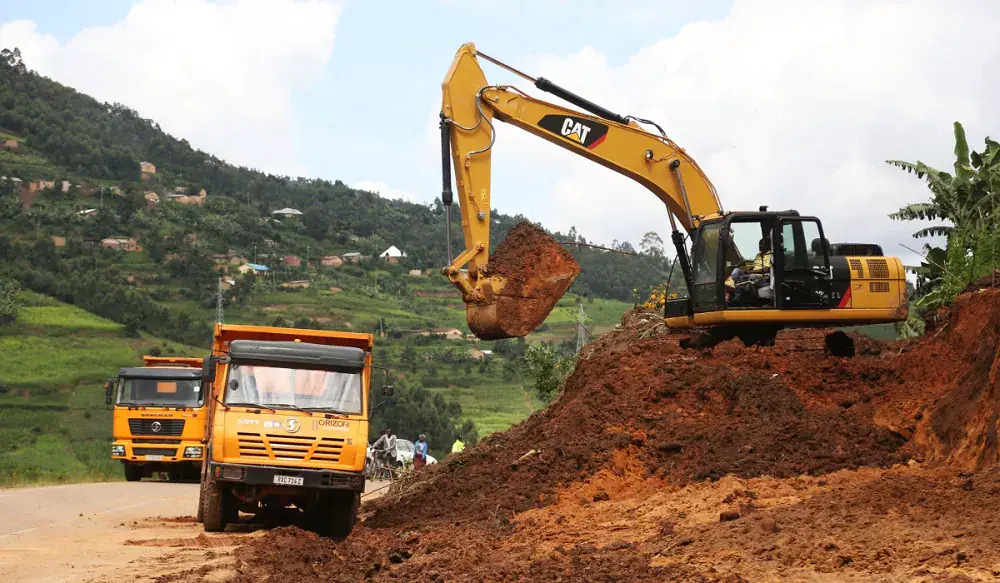
Transparency International Rwanda (TI Rwanda) has highlighted that many citizens continue to face challenges in receiving fair compensation for land expropriation. The organization revealed that it received 1,653 complaints from citizens in 2026, including 1,575 through the ALAC project and 78 through the CCs project. Out of these complaints, 67 were related to environmental conservation projects.
According to TI Rwanda, only 11 of these complaints were resolved, while 56 remained unresolved, with some dating back to 2022. Appolinaire Mupiganyi, Executive Director of TI Rwanda, emphasized that citizens have the right to fair compensation when their land is expropriated for public interest projects. He noted that the law requires that citizens be provided with fair compensation before their land is taken.
Mupiganyi also revealed that some citizens have been waiting for compensation since 2022, with some projects, such as REG and WASAC, yet to provide compensation to affected citizens. He cited cases where some individuals received compensation for land expropriation, while others nearby did not. Mukama Abbas, Deputy Secretary General, also stressed that citizens have the right to fair compensation when their property is damaged or expropriated for public projects.
Abbas emphasized that when the government or other entities take land for projects, citizens must receive fair compensation, taking into account current market prices. He also highlighted the need for timely compensation, citing the law, which stipulates that compensation should be provided within four months. If payment is delayed, citizens are entitled to a 5% increase in compensation.
The law governing land expropriation and compensation in Rwanda is the Land Expropriation and Compensation Law No. 32/2015 of June 11, 2015. This law replaced the previous law (Law No. 18/2007) and provides for fair compensation to citizens who are displaced for public interest projects. The law also allows citizens to appeal if they are not satisfied with the compensation offered.
TI Rwanda's findings indicate that some citizens have been waiting for compensation for up to four years. The organization is calling for improved implementation of the law to ensure that citizens receive fair and timely compensation for land expropriation. Citizens' rights to fair compensation are protected by law, and it is essential that these rights are respected.
The issue of land expropriation and compensation remains a significant challenge in Rwanda, with many citizens facing difficulties in accessing fair compensation. The government's efforts to implement the law and provide compensation to affected citizens are crucial in addressing these challenges. Key stakeholders must work together to ensure that citizens' rights are protected and that they receive fair compensation for land expropriation.
Key points
- Citizens have the right to fair compensation when their land is expropriated for public interest projects.
- The law governing land expropriation and compensation in Rwanda provides for fair compensation to citizens who are displaced for public interest projects.
- Timely compensation is essential, and citizens are entitled to a 5% increase in compensation if payment is delayed.
Reporting sources
- Nta muturage ukwiye kwimurwa adahawe ingurane –TI Rwanda · https://umuseke.rw/