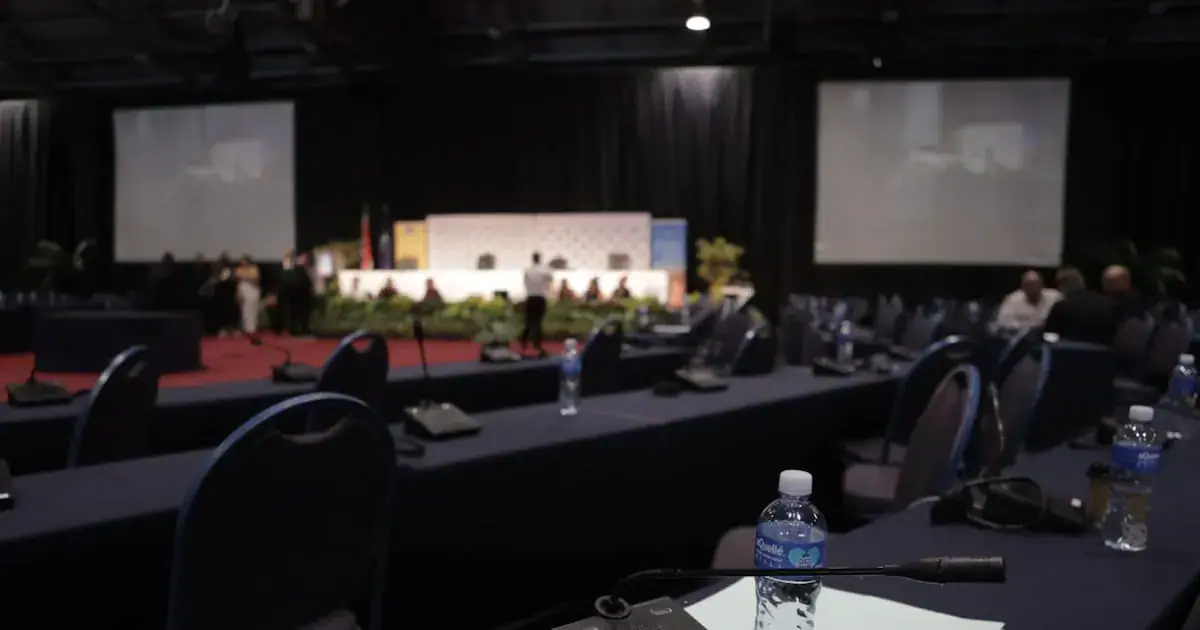
The recent council meetings in eThekwini and Gauteng have been adjourned, leaving residents without essential services such as water. In eThekwini, 213 councillors supported a motion to adjourn the sitting, citing the need for more time to conclude coalition discussions and determine the municipality's government. The speaker, executive committee, mayor, deputy mayor, and chief whip still need to be elected.
The adjournment has raised concerns about the impact on residents, who are in dire need of basic services. The November 4 elections brought significant changes to many municipalities, including eThekwini, where the MK Party emerged with the majority of votes. The ANC is now seeking to form a coalition to retain some power. Residents are eagerly awaiting the resolution of the political impasse.
Provincial officials have also been criticized for their interventions, which have added uncertainty and potentially wasted public money. The KwaZulu-Natal co-operative governance and traditional affairs department had instructed 13 hung municipalities to postpone inaugural meetings, but the eThekwini city manager, Musa Mbhele, questioned the directive's legal basis.
The situation in Johannesburg is similar, where 270 councillors were sworn in before parties unanimously deferred the remaining agenda, including leadership elections, to Friday. In contrast, Emfuleni's inaugural proceedings were disrupted by a procedural dispute, with police called after tables and chairs were overturned.
The service-delivery pressures in these municipalities are significant, with Johannesburg Water announcing level 2 restrictions and a need to reduce demand by 200-million litres a day. In Durban, the municipality warned of reduced supply and intermittent interruptions after construction damage to the Southern Aqueduct pipeline.
Residents and experts are calling for a more efficient and transparent process. Nelson Mandela Bay's coalition agreement, signed by the DA, FF+, UDM, ActionSA, ACDP, and PAC, has been cited as an example of a successful agreement. The agreement promises five-year co-operation, mechanisms to resolve differences, and public scrutiny of municipal spending.
Ultimately, residents in these municipalities deserve published agreements, repair deadlines, and regular progress reports from every coalition. They expect ongoing accountability and transparency to ensure elected officials are answerable to the electorate. The current uncertainty and delays in council meetings have only added to the frustration and disappointment felt by residents.
Key points
- Residents face uncertainty due to adjourned council meetings in eThekwini and Gauteng.
- Provincial officials' interventions have added uncertainty and potentially wasted public money.
- Municipalities need to prioritize service delivery and accountability to ensure elected officials are answerable to the electorate.
Reporting sources
- # 4 EDITORIAL | Adjourned council meetings leave residents high and dry · The Sunday Times