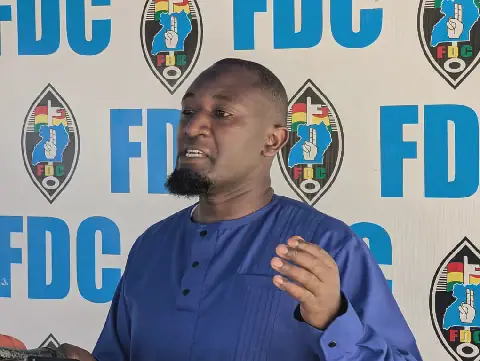
Ghanaian smallholder farmers are increasingly struggling with debt due to rising fuel prices needed to power irrigation pumps. Dr. Charles Nyaaba, a former Director of the Peasant Farmers Association of Ghana (PFA), highlights that many farmers rely on fuel-powered pumps for off-season production. This reliance, combined with unpredictable rainfall, is driving up the cost of farming. As fuel prices climb, farmers are borrowing money just to keep their irrigation pumps running.
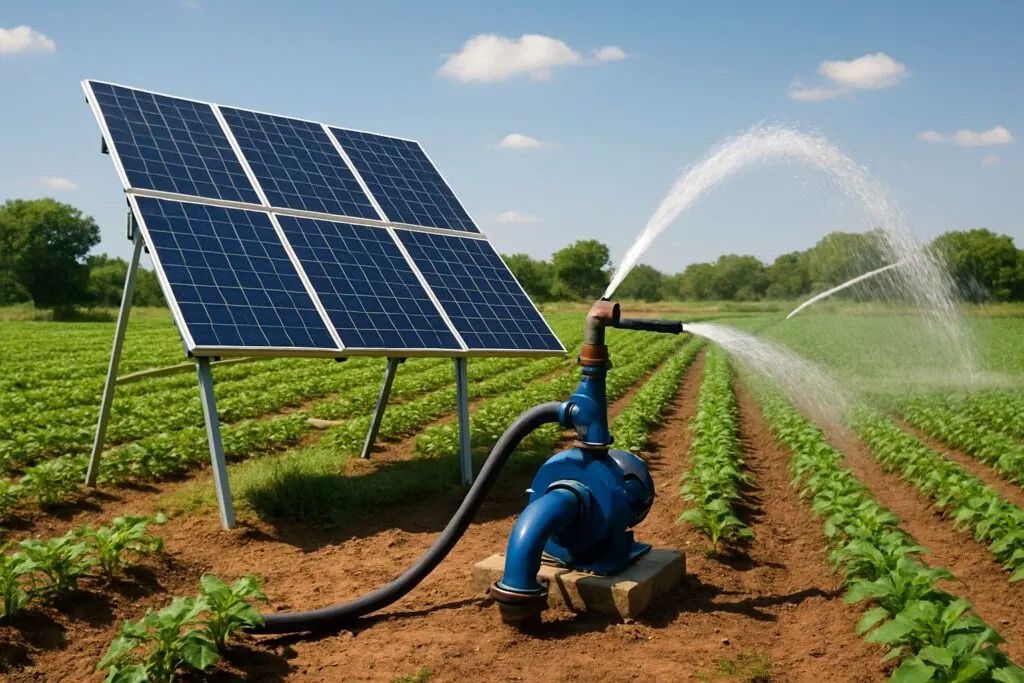
Dr. Nyaaba spoke at the Ecobank-JoyBusiness Financial Dialogue Series, emphasizing the need for green financing to help farmers transition to solar-powered irrigation systems. He noted that many farmers still use ordinary petrol or diesel water pumps, which have become more costly due to rising fuel prices and unpredictable weather conditions. Dr. Nyaaba argues that financial institutions must design support systems to help farmers switch to solar-powered equipment.
The shift to off-season production has become more pronounced due to changing weather patterns, further increasing dependence on irrigation. Dr. Nyaaba believes that without a transition to renewable energy sources, farmers will continue to absorb rising fuel costs, which erode their already thin profit margins. He questions the type of support system needed to help farmers transition from fuel-powered to solar-powered pumping machines.
Dr. Nyaaba advocates for green financing specifically for smallholder farmers, enabling them to invest in renewable energy. He believes this would ease the financial burden on farmers and help reduce carbon emissions from agricultural activities, aligning with Ghana's climate goals. Green financing should not be limited to large corporate or industrial projects, but also be accessible to smallholder farmers who make up a significant share of Ghana's agricultural workforce.
In addition to irrigation challenges, Dr. Nyaaba addressed transportation bottlenecks faced by farmers. He called for sustainable transport solutions to help move produce from farms to markets, suggesting battery-powered vehicles as a potential option. Rechargeable battery-powered vehicles could provide a reliable means of transportation for farmers stranded without access to markets.
Dr. Nyaaba's proposals aim to address the financial and environmental challenges faced by Ghanaian smallholder farmers. By transitioning to solar-powered irrigation systems and sustainable transportation solutions, farmers can reduce their costs and environmental impact. Financial institutions and stakeholders must work together to design and implement targeted support systems for farmers.
The push for green financing and sustainable solutions in agriculture aligns with Ghana's broader climate goals and could have a significant impact on the country's agricultural sector. Dr. Nyaaba's advocacy for solar irrigation and sustainable transport solutions highlights the need for innovative approaches to address the challenges faced by smallholder farmers in Ghana.
Key points
- Dr. Charles Nyaaba calls for green financing to help Ghanaian farmers switch to solar-powered irrigation systems.