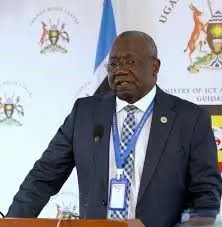
The Uganda National Examinations Board (UNEB) is contemplating a hike in registration fees for candidates sitting national examinations. This move comes as the examination body faces increasing costs of administering national exams. According to Dan Odongo, the UNEB Executive Director and secretary to the board, the current fees have become inadequate to meet the rising costs of examination materials and other requirements.
Under the current fee structure, Primary Seven candidates pay 34,000 shillings, while Senior Four candidates pay 134,000 shillings and Senior Six candidates pay 186,000 shillings. The proposed adjustment would have different implications for families depending on the level of education and whether a learner is enrolled in a government-supported programme or sits as a private candidate. The government currently meets the registration costs for candidates in the Universal Primary Education (UPE) programme.
UNEB last revised its registration rates in 2017, nearly a decade ago. The board adjusted fees for the different national examinations through a circular issued on April 4, 2017. Since then, the costs of running examinations have changed considerably, while the registration rates have remained largely unchanged. Odongo stated that a lot has changed since 2017, including increased rates of materials used.
The proposed fee review comes as UNEB continues to administer the Primary Leaving Examinations (PLE), Uganda Certificate of Education (UCE) and Uganda Advanced Certificate of Education (UACE) to hundreds of thousands of candidates each year. The board is also looking at ways of improving revenue collection and stopping losses before any increase in registration fees is considered.
UNEB has held internal discussions on the issue for several years, but the board is now giving the proposal more serious consideration. Odongo revealed that UNEB is moving to close revenue leakages after discovering cases where some headteachers in government schools allegedly register private candidates as government-sponsored candidates. This practice denies UNEB fees which should have been paid by the parents or guardians of private candidates.
The board is taking measures to address the issue, including investigating and fining headteachers involved in the practice. UNEB would withhold results from examination centres involved until the outstanding fees and surcharges are paid. The board could also pursue criminal charges, arguing that deliberately misrepresenting candidates to avoid examination fees amounts to fraud under the UNEB Act and other relevant anti-corruption laws.
A small and manageable adjustment in candidate fees would give the board more room to meet some of its operational needs. Currently, UNEB relies heavily on government funding to supplement the money collected from examination registration. The board believes that a fee hike would enable it to improve remuneration of people involved in management of the examinations, such as scouts and invigilators.
Key points
- The proposed fee hike aims to address the rising costs of administering national exams.
- UNEB is also taking measures to close revenue leakages and prevent losses.
- The board last revised its registration rates in 2017, and the costs of running examinations have changed considerably since then.