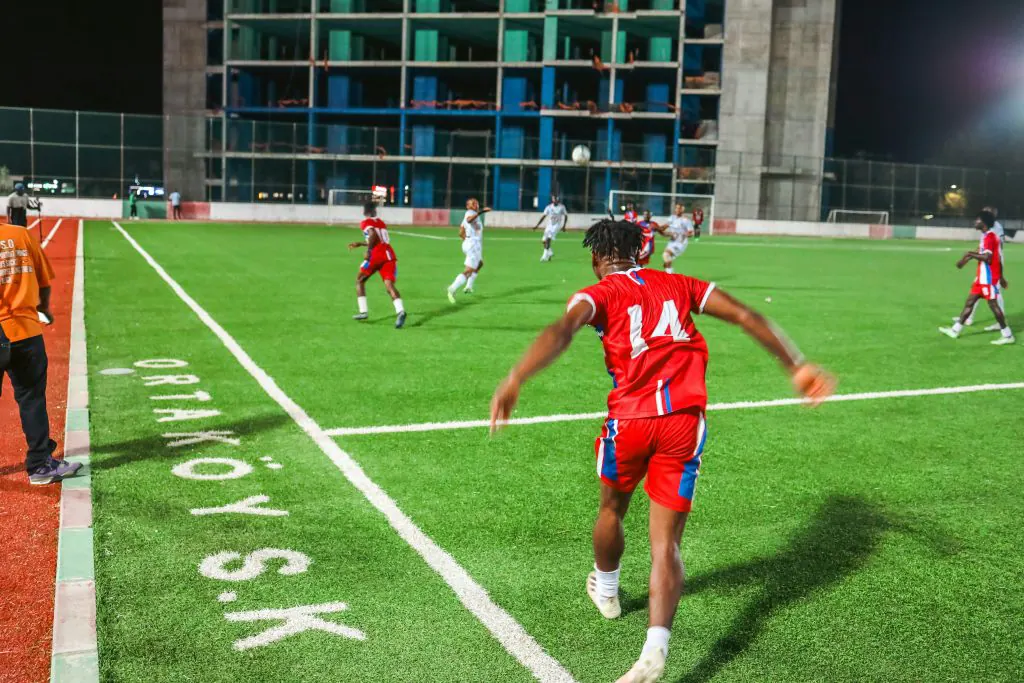
The international calendar is a critical issue for African footballers who frequently travel across continents for national duty. FIFA's decision to merge the traditional September and October international windows into a single 16-day period from September 21 to October 6, 2026, is a significant step towards addressing this concern. This new window allows national teams to play up to four matches, rather than two matches during each of two separate breaks.
The new calendar coincides with the opening stages of qualification for the 2027 Africa Cup of Nations. The Confederation of African Football (CAF) has scheduled Matchdays 1 and 2 between September 21 and October 6, with 48 teams divided into 12 groups. Notable fixtures include Côte d'Ivoire against Ghana, Morocco against Gabon, Egypt against Angola, and Algeria against Zambia.
The arrangement offers an important advantage for African footballers, particularly those based in Europe or other distant markets. They can now make one extended international trip instead of returning to their clubs between separate September and October camps. Coaches also benefit from more uninterrupted time with their squads. However, reducing travel is not the same as reducing workload.
Research by FIFPRO, a global players' union, has highlighted the demanding environment faced by African footballers. The African Player Workload Report found that some players featured in as many as 60 matches in a season, while others played fewer than 20. Travel adds another layer of complexity, with several African players spending more than 150 hours travelling to and from matches during the season.
Africa's geography, limited direct flight connections, and multiple transfers can significantly reduce recovery time for footballers. The experience of Nigeria's national team in October 2024 demonstrated the unpredictability of international travel. The team's flight to Libya was diverted to an abandoned airport, where players were left for over 12 hours without adequate food or water.
The new FIFA window addresses one part of the problem by consolidating international commitments and creating greater continuity for national teams. However, four matches in 16 days can still represent a substantial physical demand, particularly for players already competing in domestic leagues and continental competitions. Some coaches, including Netherlands coach Xavi Hernández, have raised concerns about the impact on player welfare.
The long-term priority for African football should be a system that considers travel time, match frequency, recovery periods, climate, tournament scheduling, and the realities faced by players moving between continents. Protecting African football talent is not simply a welfare issue; it is an investment in the quality and sustainability of African football.
Key points
- FIFA's new international calendar aims to reduce travel for African footballers by combining the September and October windows.
- The new calendar allows national teams to play up to four matches in a single 16-day period.
- African footballers face a demanding environment, with some players featuring in as many as 60 matches in a season.