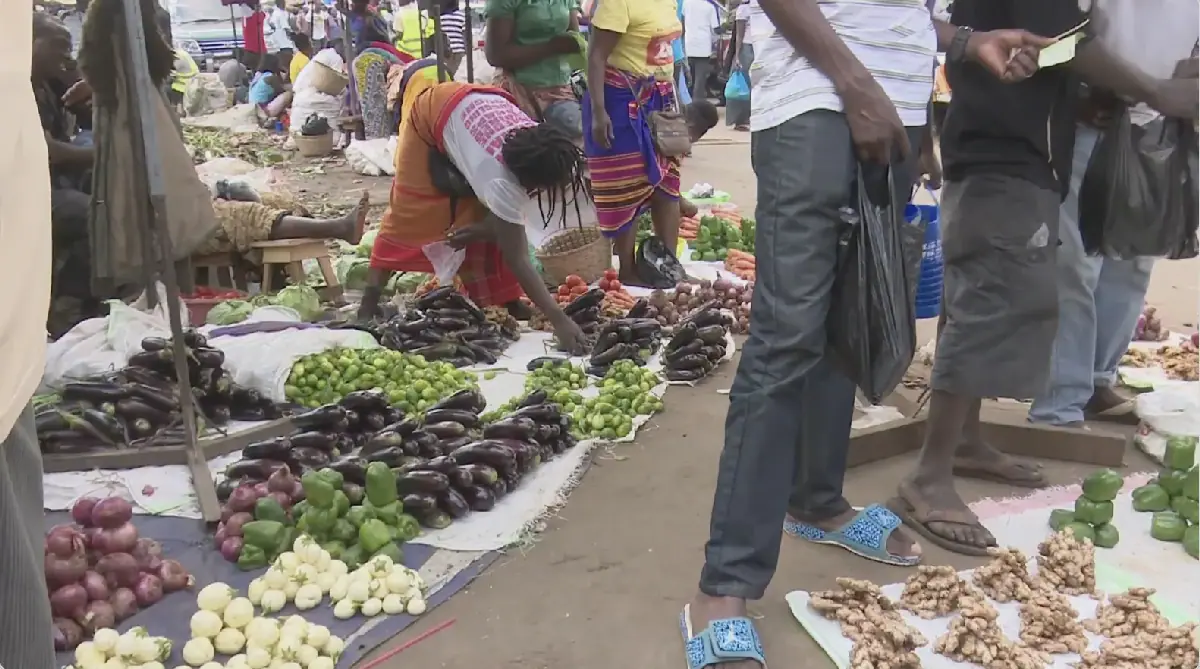
The current economic situation in Uganda is posing significant challenges to households and businesses. The weakening shilling and rising inflation are hitting Ugandans hard, leading to leaner household budgets. As the cost of living continues to climb, businesses are facing mounting pressure. According to experts, the current spike in inflation is revealing long-standing cracks in an economy where millions were already struggling to make ends meet.
The situation is further complicated by the fact that many Ugandans were already struggling financially before the current economic challenges arose. The rising cost of living and pressure on businesses are likely to exacerbate the situation, leading to even more economic hardship for ordinary Ugandans. Experts are warning that the current economic challenges are not just a short-term issue, but rather a sign of deeper, long-standing problems that need to be addressed.
The impact of the economic challenges is being felt across various sectors in Uganda. The construction sector, for example, is one of the areas that have been affected, with the International Finance Corporation (IFC) recently calling for increased investment in the sector. However, with the current economic situation, it is unclear whether this call will be heeded.
The Ugandan government is facing criticism for its handling of the economy, with some opposition parties recently embarking on a fast to protest the detention of opposition leader Besigye. While the government has not made any official statements on the economic challenges, experts are urging policymakers to take action to address the long-standing problems facing the economy.
One of the key sectors that have been affected by the economic challenges is the sports sector. Recently, Mark Arthur Mwase finished second in the 200m freestyle heat at the Youth Olympics, but the economic challenges facing the country are likely to have an impact on the development of sports in Uganda. The government and other stakeholders will need to work together to address these challenges and ensure that the economy is stabilized.
Archbishop Ssemogerere recently condemned security brutality and mudslinging ahead of the 2026 elections, highlighting the need for calm and stability in the country. However, with the economic challenges facing Uganda, it is unclear whether the government will be able to address the situation effectively. Experts are urging the government to take a comprehensive approach to addressing the economic challenges, rather than just focusing on short-term solutions.
The economic challenges facing Uganda are likely to have a lasting impact on the country unless they are addressed effectively. The government, policymakers, and other stakeholders will need to work together to develop and implement policies that address the long-standing problems facing the economy. This will require a coordinated effort and a commitment to finding solutions that will benefit all Ugandans.
Key points
- The current economic challenges in Uganda are revealing long-standing cracks in an economy where millions were already struggling to make ends meet.