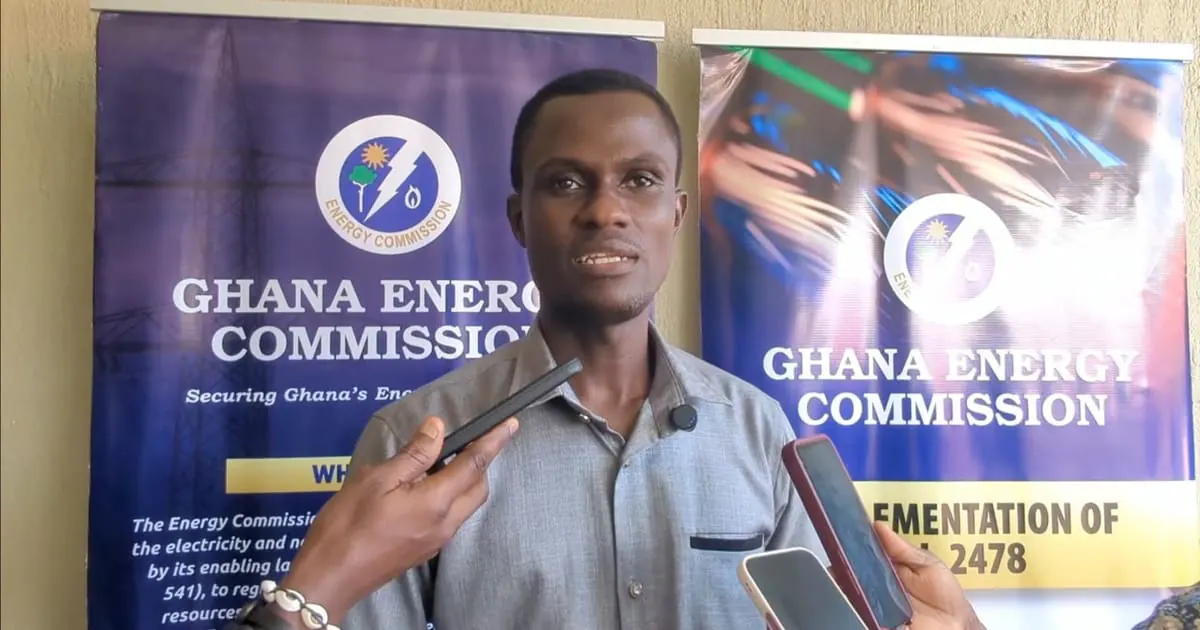
The Energy Commission of Ghana has issued a warning to consumers against hiring unqualified electricians, citing the risks of improper electrical installations as the country increases its adoption of solar energy and electric vehicle (EV) charging systems. The Commission emphasizes that engaging certified electrical professionals is crucial to ensure that installations meet approved safety and technical standards. This warning was delivered during the Commission's 25th Electrical Wiring Certification and Awards Ceremony in Takoradi.
The ceremony saw the induction of approximately 180 newly certified electrical professionals, comprising domestic, commercial, and industrial electricians, as well as inspectors trained to verify completed electrical installations. These certified professionals are equipped to work on conventional and emerging areas of the electrical sector, including installations involving electric vehicle charging stations, rooftop solar systems, and solar plants. The Commission's Assistant Manager for Inspections and Enforcement, Nana Kwame Yeboah, highlighted that the new professionals will provide skilled labor for Ghana's expanding electrical sector.
The certified professionals have been trained to undertake installations involving electric vehicle charging stations, rooftop solar systems, and solar plants. According to Nana Kwame Yeboah, the Commission has promoted graduates who can lead and assist in the installation of these systems. The training program aims to address the growing demand for skilled electricians in Ghana's solar and EV sectors. The Energy Commission's efforts focus on ensuring that electrical installations are done safely and to approved standards.
A Senior Lecturer at the Takoradi Technical University, Ing. Dr. Emmanuel Kobina Appiah, stressed the importance of proper electrical design and installation as electric vehicle adoption grows in Ghana. He warned that incorrect system design and cable sizing could result in electrical faults and fire outbreaks. Dr. Appiah emphasized that EVs can be integrated with solar and battery storage systems to provide electricity for homes, but only if the installation is properly designed.
Dr. Appiah highlighted the need for installers to consider the capacity of the vehicle, battery storage system, and electrical load when designing EV charging and vehicle-to-home systems. He called for strict compliance with established electrical standards to ensure the safe development of Ghana's emerging EV infrastructure. The integration of EVs with solar and battery storage systems offers opportunities for sustainable energy solutions in Ghana.
One of the beneficiaries of the certification program, Ruth Essel, expressed her enthusiasm for the training, stating that it could encourage more women to pursue careers in the electrical field. She emphasized the importance of standards in promoting safety and uniformity in electrical installations. Essel believes that the certification will motivate women in her surroundings and across the country to consider careers in electrical work.
The Energy Commission says it will continue working with relevant stakeholders to train and certify electrical practitioners to meet the technical and safety demands of Ghana's expanding solar and electric mobility sectors. The Commission's efforts aim to ensure that electrical installations are done safely and to approved standards, thereby reducing the risk of accidents and promoting sustainable energy solutions in Ghana.
Key points
- The Energy Commission of Ghana warns against engaging unqualified electricians as the country expands its use of solar energy and electric vehicle charging systems.
- The Commission has certified approximately 180 new electrical professionals to work on conventional and emerging areas of the electrical sector.
- Experts stress the importance of proper electrical design and installation to ensure safe and sustainable energy solutions in Ghana's growing solar and EV sectors.