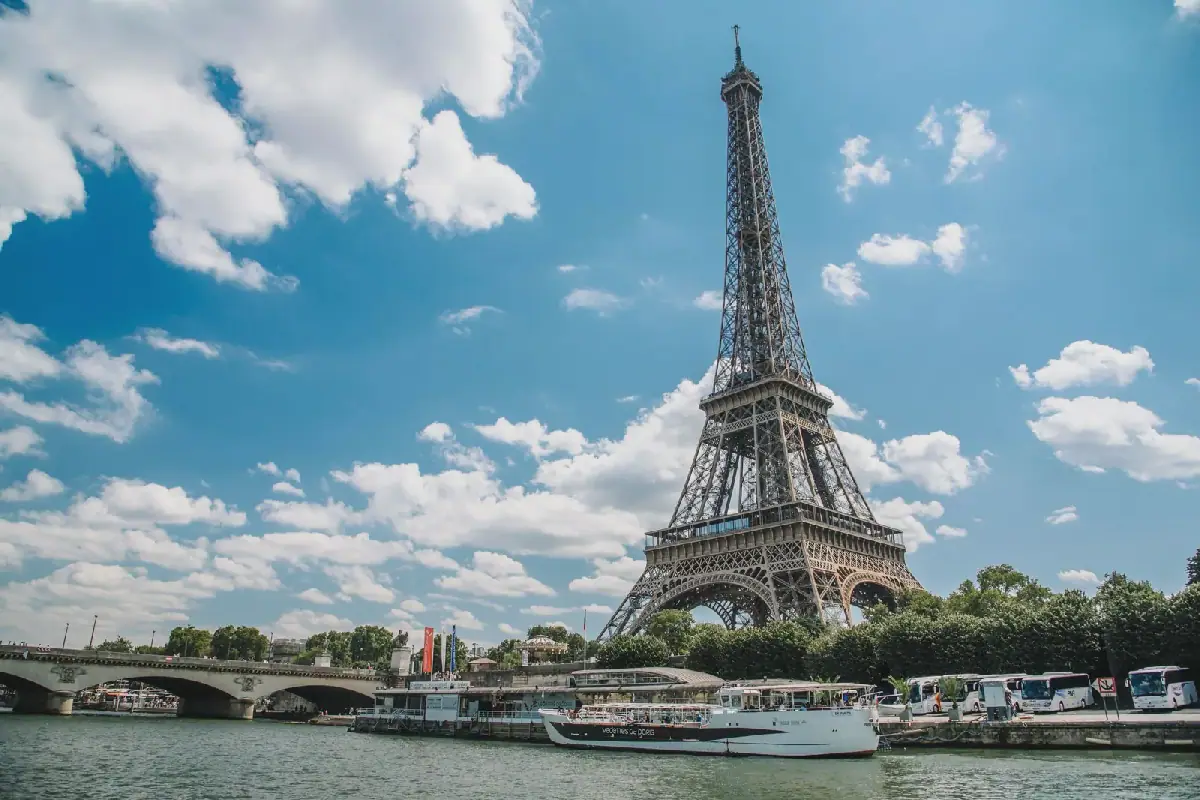
The Eiffel Tower in Paris, France was forced to close its doors on September 7, 2026, due to a strike by its staff. The strike was called in response to a dispute over gender segregation demands made by a visiting Hindu group, Bochasanwasi Akshar Purushottam Swaminarayan Sanstha (BAPS). According to reports, the group had requested that female employees be removed from the premises, citing their adherence to the Brahmacharya, a Hindu spiritual practice.
The BAPS group, which was visiting the Eiffel Tower, had made the request for female staff to be removed, claiming it was necessary for their spiritual practice. However, the unions representing the Eiffel Tower staff refused to comply with the request, sparking a heated debate over the limits of religious freedom in public spaces. The incident has raised concerns about the potential for discrimination and the importance of upholding equality and secularism in France.
The controversy surrounding the Eiffel Tower strike has sparked a wider debate about the role of religion in public life. Some have argued that the BAPS group's demands were unreasonable and incompatible with French values of equality and secularism. Others have defended the group's right to practice their faith, while acknowledging the need for a balance between religious freedom and the rights of others.
The Eiffel Tower staff strike was seen as a stand against what some perceived as an attempt to impose segregation and discrimination. The incident has highlighted the complexities of managing diverse cultural and religious practices in public spaces. The French government has emphasized the importance of upholding the country's secular values and ensuring that public spaces remain inclusive and accessible to all.
The dispute has also raised questions about the limits of religious accommodation in public spaces. While some have argued that the BAPS group's demands were a legitimate expression of their faith, others have seen it as an attempt to impose their values on others. The incident has sparked a national conversation about the importance of finding a balance between religious freedom and the need to protect equality and secularism.
The author, Sarah Canaguy Le Bourvellec, a French national from La Réunion, has expressed her outrage over the incident, citing her own experiences growing up in a multicultural community. She argues that the incident highlights the need to defend French values of equality and secularism, which she believes are under threat from attempts to impose segregation and discrimination.
The Eiffel Tower has since reopened, but the incident has left a lasting impact on the national conversation about diversity, equality, and secularism. The debate is set to continue, with many calling for greater clarity on the limits of religious freedom in public spaces. The incident serves as a reminder of the complexities of managing diverse cultural and religious practices in modern societies.
Key points
- Eiffel Tower staff went on strike over a dispute with a visiting Hindu group that requested female employees be removed.
- The incident has sparked a national debate about the limits of religious freedom in public spaces and the importance of upholding equality and secularism.
- The controversy has highlighted the complexities of managing diverse cultural and religious practices in public spaces.