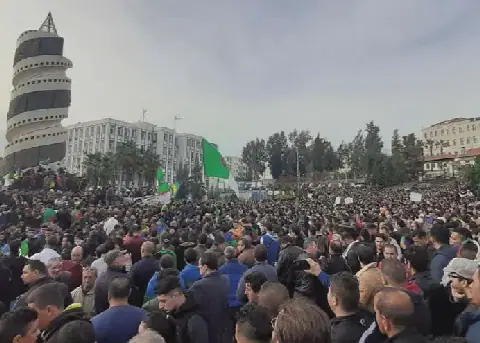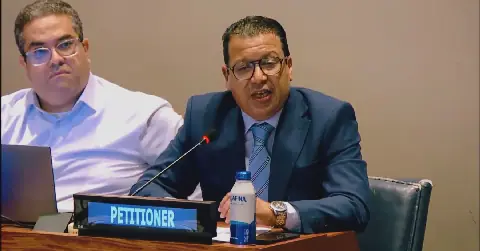
The Banyamulenge community, residing in the High Plateaux of South Kivu in eastern Democratic Republic of Congo, has faced persistent discrimination and hostility due to their identity and belonging in Congo. Minembwe, their home, has been a predominantly rural area where Banyamulenge and neighboring communities have lived for generations. However, the community has endured recurring periods of violence and displacement due to repeated cycles of conflict in eastern Congo.
The violence in eastern Congo took a systematic destructive turn around the beginning of 2017, with villages being attacked, civilians killed, houses burned, and families forced to flee their homes. The Banyamulenge culture values cattle, which serve as a source of income, help pay school fees, and play an essential role in traditional marriage. The loss of cattle has significantly impacted the community's livelihood.
The national army, FARDC, has a duty to protect the Banyamulenge but has been accused of operating alongside Wazalendo militias and foreign forces, particularly Burundian troops, known for killing Banyamulenge civilians and attacking their villages. This has damaged trust in the state, leaving many Banyamulenge questioning whether their government sees them as equal Congolese citizens entitled to state protection.
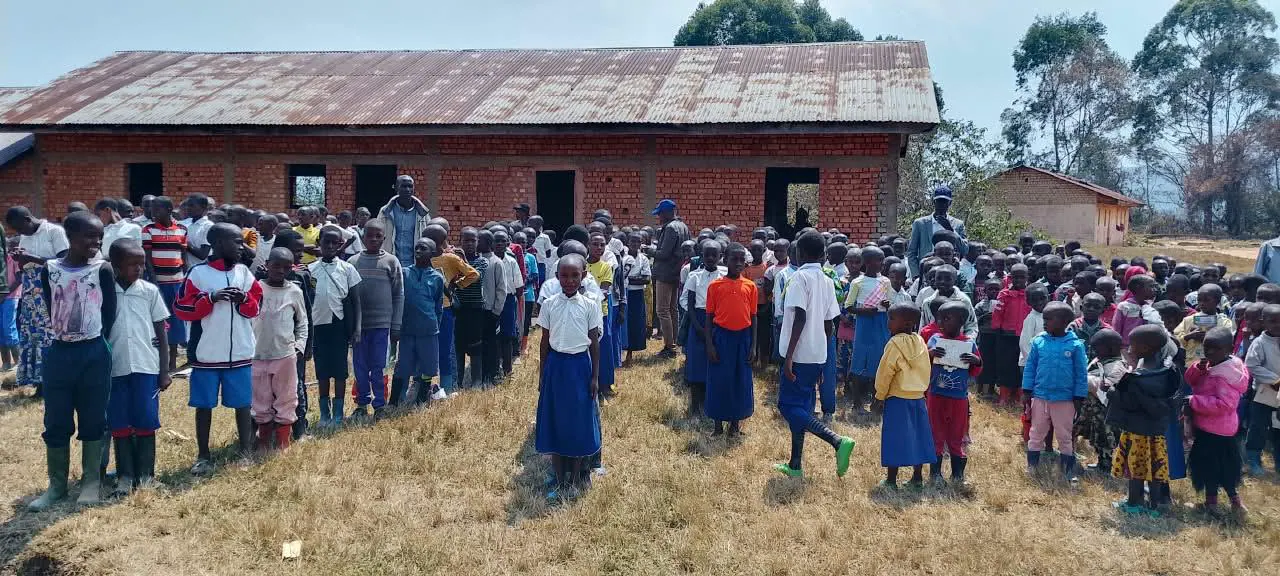
In recent months, FARDC and its allies were pushed out of Minembwe and surrounding areas, creating a period of relative calm. Families who had fled began returning to their villages, markets reopened, and people regained access to different parts of Minembwe. The change was evident in daily life, with students returning to school and families visiting relatives without fear of fighting.
However, the fragile calm is under threat due to a new military offensive launched by FARDC and its allies toward Minembwe. The renewed fighting includes reports of heavy artillery and drone strikes, putting civilians at risk of renewed displacement, interrupted education, and trauma. The Banyamulenge community should not again become a battlefield, forcing civilians from their homes and putting their lives at risk.
Mechanisms to support peace efforts already exist, including the Washington and Doha peace processes, aimed at moving eastern Congo away from repeated military confrontation and toward dialogue. The ceasefire verification mechanism established through the Doha process conducted its first field verification mission in Minembwe on August 24, 2026, but serious fighting resumed shortly after, undermining the peace process.
Diplomatic agreements must translate into the lives of civilians, and the international community must ensure that peace efforts prioritize the protection of civilians and their rights. The relative calm in Minembwe offered a glimpse of what life could be when villages are no longer surrounded by violence, and it is essential to preserve this calm through humanitarian access and diplomatic efforts aimed at building a lasting peace.
Key points
- The Banyamulenge community faces persistent violence and displacement in eastern Democratic Republic of Congo.
- The national army, FARDC, has been accused of operating alongside militias and foreign forces that have killed Banyamulenge civilians.
- Diplomatic efforts, such as the Washington and Doha peace processes, must prioritize the protection of civilians and their rights to ensure a lasting peace.