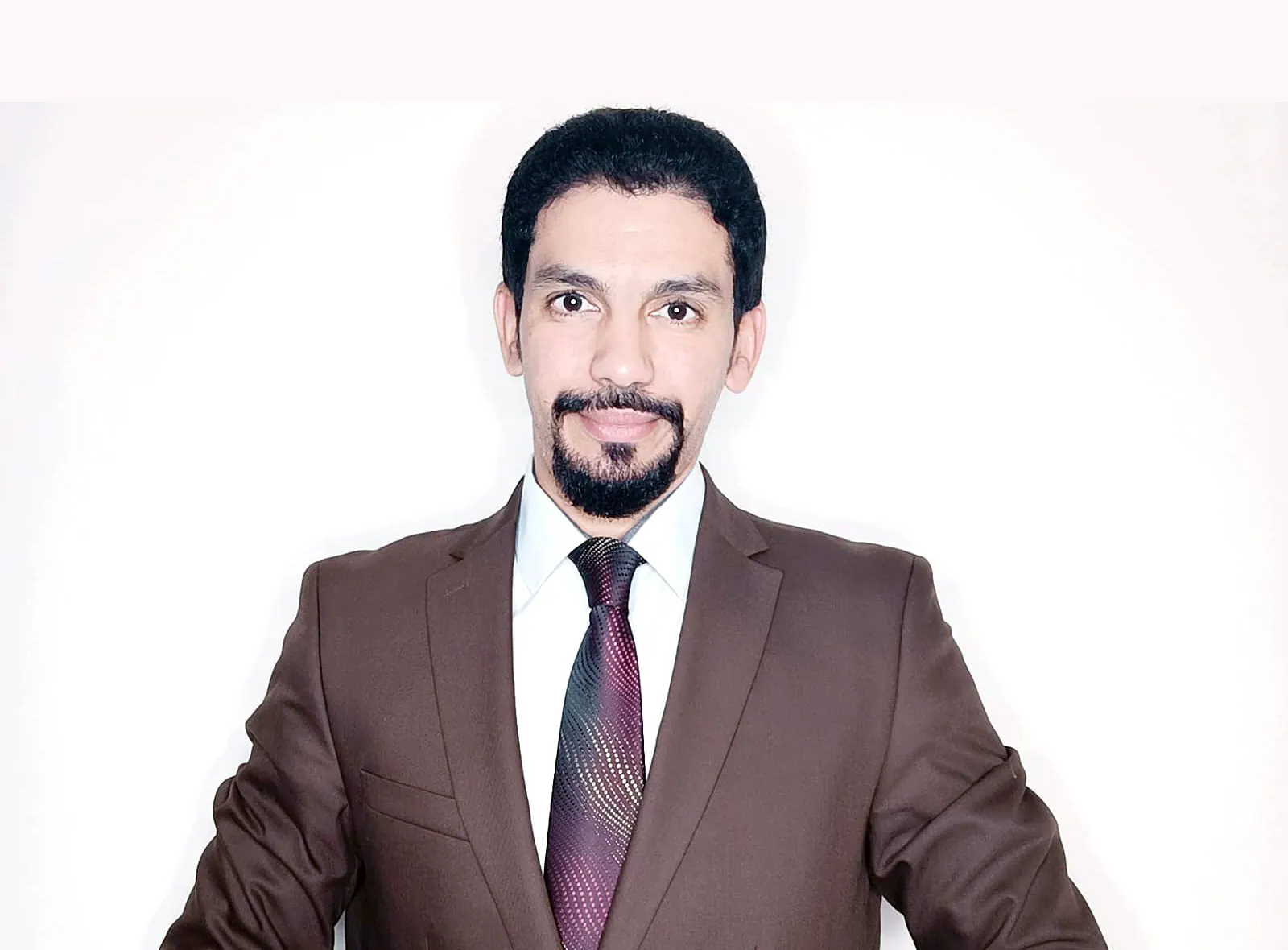
Moroccan economist Youssef Guerraoui Filali recently discussed the proposed increase of the country's minimum wage, known as the SMIG, to 5,000 DH net. This represents a 57% increase from the current net amount of 3,192 DH. Filali emphasized that while the proposal aims to address purchasing power concerns, its impact must be evaluated in terms of the total cost borne by companies. The key question is whether businesses can absorb this increase without reducing formal employment.
Filali highlighted that the proposal's sustainability depends on companies' ability to absorb the increase without cutting formal jobs, particularly in small and medium-sized enterprises (SMEs) and labor-intensive sectors. He warned that a significant wage hike without simultaneous action on productivity drivers such as training, digitalization, and investment financing could lead to reduced hiring, increased informalization, or accelerated labor substitution by capital.
The debate surrounding the SMIG increase should not pit purchasing power against competitiveness, Filali argued. Instead, conditions should be created to balance both. A net SMIG of 5,000 DH can be a social policy objective, but its implementation should be gradual and accompanied by a competitiveness pact between the state, businesses, and social partners. The goal is to ensure that wage increases are primarily financed by productivity gains and value creation.
Filali noted that sectors have varying capacities to absorb a significant wage increase. Export-oriented or highly capitalized companies may be able to absorb the shock through productivity gains or investment, while labor-intensive and low-value-added activities have limited margins. Sectors most sensitive to the increase include textiles, certain food processing activities, commerce, hospitality, and parts of the construction industry.
The SME sector, which is crucial to Morocco's productive fabric, faces particular challenges due to limited financial and technological capacities. The World Bank has long highlighted the constraints faced by Moroccan SMEs and the concentration of formal employment in larger enterprises. The risk of job losses and informalization is significant, and the phenomenon's magnitude will depend on the revaluation speed and proposed support.
In 2025, Morocco's economy created 193,000 jobs, with 123,000 in services, 64,000 in construction, and only 46,000 in industry. The priority is to increase wages without jeopardizing these sectors' ability to create formal jobs. Filali proposed a three-pronged approach to address the issue: revaluing productivity, transforming the productive model, and creating value.
The question of whether Morocco can sustainably increase wages faster than productivity gains remains. Filali emphasized that, in the long term, the gap between wages and productivity would affect margins, prices, competitiveness, and employment. However, this does not mean that employees must wait indefinitely for improved purchasing power. A balanced approach that considers multiple factors is necessary to address the challenge.
Key points
- The proposed increase in Morocco's SMIG to 5,000 DH net aims to address purchasing power concerns but raises questions about its economic sustainability and impact on employment.
- Sectors with labor-intensive and low-value-added activities, such as textiles and hospitality, are likely to be most affected by the proposed SMIG increase.
- A balanced approach that considers productivity gains, value creation, and competitiveness is necessary to ensure that wage increases are sustainable and do not harm employment.