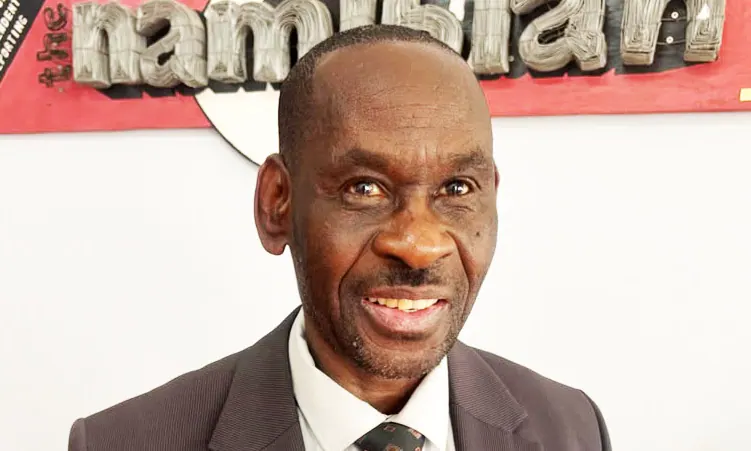
The deaf community in Namibia is urging parliamentarians to revive a 2023 motion that seeks the official recognition of Namibian Sign Language and the provision of sign language interpreters in parliament. According to Martin Tjivera, founder of the Namibia National Association of the Deaf, the community is still in the dark about what happened to the motion tabled by former deputy minister of disability affairs Alexia Ncube. The motion was introduced to promote inclusivity and enable deaf Namibians to participate in national decision-making processes.
There are approximately 27,000 deaf people in Namibia, and they face significant challenges in accessing information and participating in public life. The lack of sign language interpretation services in parliament effectively excludes deaf Namibians from following live parliamentary proceedings. Tjivera emphasizes that the issue extends beyond access to parliamentary debates, arguing that deaf Namibians should have a more direct role in national decision-making. He calls for greater self-representation of deaf people, enabling them to communicate their concerns directly to the government.
Tjivera is now calling on parliamentarians from both Swapo and opposition parties to bring the motion back before parliament for further discussion. He stresses that the Namibian deaf community should not have to rely solely on intermediaries to communicate its concerns to the government. The community wants to be involved in decision-making processes and have equal access to education, healthcare, justice, employment, and information.
The Namibian Organisation of Youth with Disability has also weighed in on the issue, calling on the government to address the shortage of qualified sign language interpreters in essential public services. In a statement issued last week, the organisation emphasized that sign language and access to it are inseparable from human rights, including the right to education, healthcare, justice, employment, information, political participation, and human dignity.
The deaf community's demands have been echoed by Tjivera, who says that the lack of meaningful involvement of deaf people in national decision-making processes must stop immediately. He urges parliamentarians to take concrete steps to address the issue, including the appointment of sign language interpreters in parliament. Tjivera also emphasizes that the government should not cite financial constraints as a reason for not appointing sign language interpreters.
The issue has sparked concerns about the inclusivity of Namibia's democratic processes and the extent to which they cater to the needs of all citizens, including those with disabilities. The deaf community's demands for recognition and inclusion have been met with growing support from various stakeholders, including disability rights organisations and advocacy groups.
As the debate continues, it remains to be seen how the government and parliamentarians will respond to the deaf community's demands. One thing is certain, however: the recognition of Namibian Sign Language and the provision of sign language interpreters in parliament are crucial steps towards promoting inclusivity and enabling deaf Namibians to participate fully in national life.
Key points
- The Namibian deaf community is calling for the official recognition of Namibian Sign Language and the provision of sign language interpreters in parliament to promote inclusivity and enable deaf Namibians to participate in national decision-making processes.