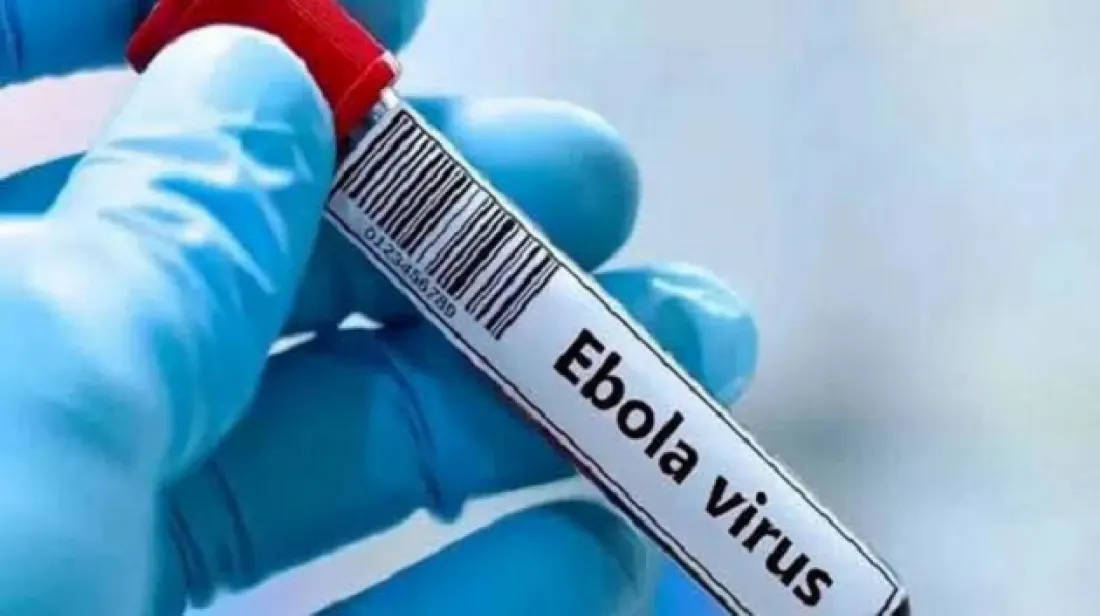
The Ebola outbreak in the Democratic Republic of Congo has surpassed 8,000 cases, with the latest data from the Congolese Health Ministry showing 8,067 confirmed cases as of September 26. The outbreak, which was declared on May 15, has spread to 63 health zones across seven of the country's 26 provinces. The virus responsible is the rare Bundibugyo strain, for which there is no known treatment or vaccine.
The outbreak has resulted in 3,901 deaths, with a fatality rate of over 48%. The World Health Organization (WHO) has expressed concern over the high fatality rate, particularly in rural areas, where it is difficult to detect cases early and provide adequate care. The WHO has warned that the outbreak is still growing, with new cases and deaths being reported regularly.
The Congolese Health Ministry has been working to contain the outbreak, with support from international partners, including the WHO and other humanitarian organizations. The response efforts have included vaccination campaigns, contact tracing, and provision of medical care to those affected. However, the ministry has faced challenges in responding to the outbreak, including insecurity in some areas and limited access to healthcare.
The Ebola outbreak in Congo has significant implications for the region, with neighboring countries also at risk of infection. The WHO has been working with regional authorities to enhance preparedness and response measures, including screening at borders and strengthening surveillance systems. The organization has also been providing technical assistance and support to the Congolese Health Ministry.
The international community has been providing support to the response efforts, including funding and technical assistance. The United Nations and other humanitarian organizations have been working to provide aid to those affected, including food, shelter, and medical care. The response efforts have also included efforts to address the social and economic impacts of the outbreak.
The Congolese government has been working to address the root causes of the outbreak, including poverty, insecurity, and limited access to healthcare. The government has also been working to strengthen the healthcare system, including investing in infrastructure and training healthcare workers. The response efforts have also included efforts to promote community engagement and awareness.
The situation in Congo remains challenging, with the outbreak still growing and new cases and deaths being reported regularly. The WHO and other international partners continue to support the response efforts, and the Congolese Health Ministry remains committed to containing the outbreak and saving lives. The response efforts will continue, with a focus on providing medical care, promoting community engagement, and addressing the root causes of the outbreak.
Key points
- The Ebola outbreak in Congo has surpassed 8,000 cases, with over 3,900 deaths reported.