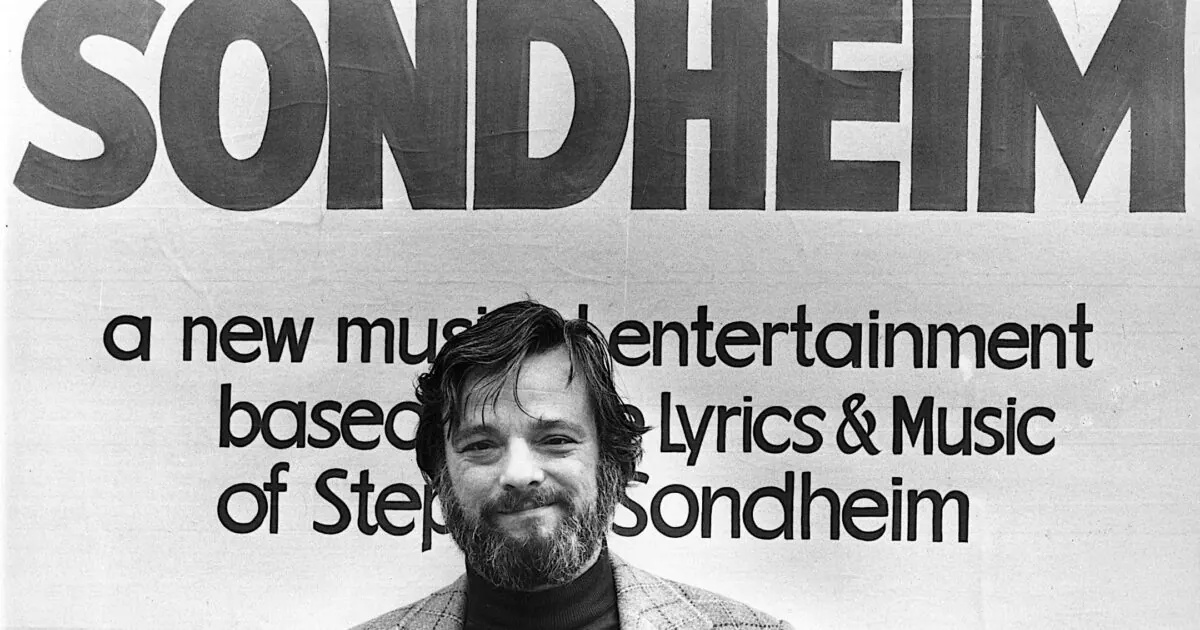
Stephen Sondheim, the celebrated American composer and lyricist, has been remembered for his significant contributions to the world of musical theatre. Born on March 22, 1930, in New York City, Sondheim grew up on the Upper West Side, where his parents, Herbert and Etta, were prominent figures in the dressmaking business. They were members of Temple Emanu-El, a socially prominent Reform synagogue on the East Side. Sondheim's early life and upbringing would later influence his work, despite his lack of formal religious education.
Sondheim's collaboration with notable figures in the entertainment industry, including Leonard Bernstein, Arthur Laurents, and Jerome Robbins, resulted in iconic productions such as West Side Story. His work with these individuals, many of whom shared his Jewish heritage, helped shape his unique style and approach to storytelling. Sondheim's experiences as a gay Jewish man in America also informed his art, although he rarely explicitly explored Jewish themes in his work. Instead, his shows often reflected his personal struggles, relationships, and observations on life.
Daniel Okrent, author of Stephen Sondheim: Art Isn't Easy, a biography for the Yale Jewish Lives series, argues that Sondheim's Jewish identity was an integral part of his nature, worldview, and sense of humor. Okrent describes Sondheim's Jewishness as a form of "Americanized Yiddishkeit," which was reflected in his approach to life and art. While Sondheim did not actively seek to incorporate Jewish themes into his work, his heritage and upbringing undoubtedly influenced his creative vision.
Sondheim's professional relationships and collaborations were often marked by a sense of mentorship and nurturing of young talent. He worked with numerous individuals, including Jonathan Larson, Adam Guettel, Lin-Manuel Miranda, and Trey Parker and Matt Stone, providing guidance and constructive criticism. This approach to collaboration and mentorship has been likened to that of a rabbi, highlighting Sondheim's commitment to supporting and encouraging others in their creative pursuits.
Some scholars and critics have attempted to locate Sondheim's work within the context of Jewish themes and experiences. Gabrielle Hoyt, a theatre scholar, has identified Jewish motifs in many of Sondheim's shows, including Sweeney Todd, Company, and Anyone Can Whistle. These interpretations offer a nuanced understanding of Sondheim's work and its connections to his Jewish heritage, even if they were not explicitly stated.
Sondheim's legacy as a composer and lyricist continues to be celebrated, with his work remaining a vital part of American musical theatre. His contributions to the genre have been recognized through numerous awards and accolades, including multiple Tony Awards and a Pulitzer Prize. As a gay Jewish man who navigated the complexities of identity and creative expression, Sondheim's life and work offer a rich and multifaceted exploration of the human experience.
In reflecting on Sondheim's Jewish identity, it becomes clear that his heritage played a significant role in shaping his artistic vision and approach to storytelling. While his work may not have explicitly explored Jewish themes, his experiences as a Jewish American informed his creative output in profound ways. As Okrent notes, Sondheim's Jewishness was an integral part of his nature, worldview, and sense of humor, making his work a lasting testament to the power of identity and creative expression.
Key points
- Sondheim's Jewish identity influenced his artistic vision and approach to storytelling.
- Sondheim's collaborations with other Jewish artists and creatives helped shape his unique style and approach to musical theatre.
- Sondheim's legacy continues to be celebrated, with his work remaining a vital part of American musical theatre.