Johannesburg's next administration, emerging after the November 4 municipal elections, is being urged to prioritize the appointment of new leadership at City Power within its first 100 days. This move is part of a broader turnaround strategy aimed at stabilizing the electricity distributor's finances, improving collections, and repairing failing infrastructure. The Centre for Development and Enterprise (CDE) has outlined this strategy in its report, "Powering Joburg's Turnaround."
The CDE report emphasizes the importance of leadership and operational changes at City Power, suggesting that these should be addressed before any attempt to absorb the utility into the city administration. A senior businessman with experience in electricity utility turnaround and management has contributed to the report, highlighting the need for decisive actions in a specific sequence. According to CDE executive director Ann Bernstein, the focus should be on stabilizing leadership, securing cash, stopping financial losses, and ensuring a continuous power supply.
The current acting CEO of City Power, Charles Tlouane, took over after the resignation of Tshifularo Mashava in April. The CDE report, released ahead of the November elections, also suggests changes to the recruitment criteria for a permanent CEO. The original advertisement required specific qualifications, including an engineering degree and over 10 years of senior leadership experience in electricity and energy trading. However, the revised advertisement broadens the experience requirement and makes the degree an added advantage.
The proposed strategy for the first 100 days includes the appointment of an interim crisis executive with electricity distribution and turnaround experience. This executive, supported by a small team, would report directly to the mayor and have defined powers and measurable targets. Simultaneously, the city would publish appointment criteria for the CEO and CFO and reconstitute the board, focusing on appointments based on skills, experience, and integrity.
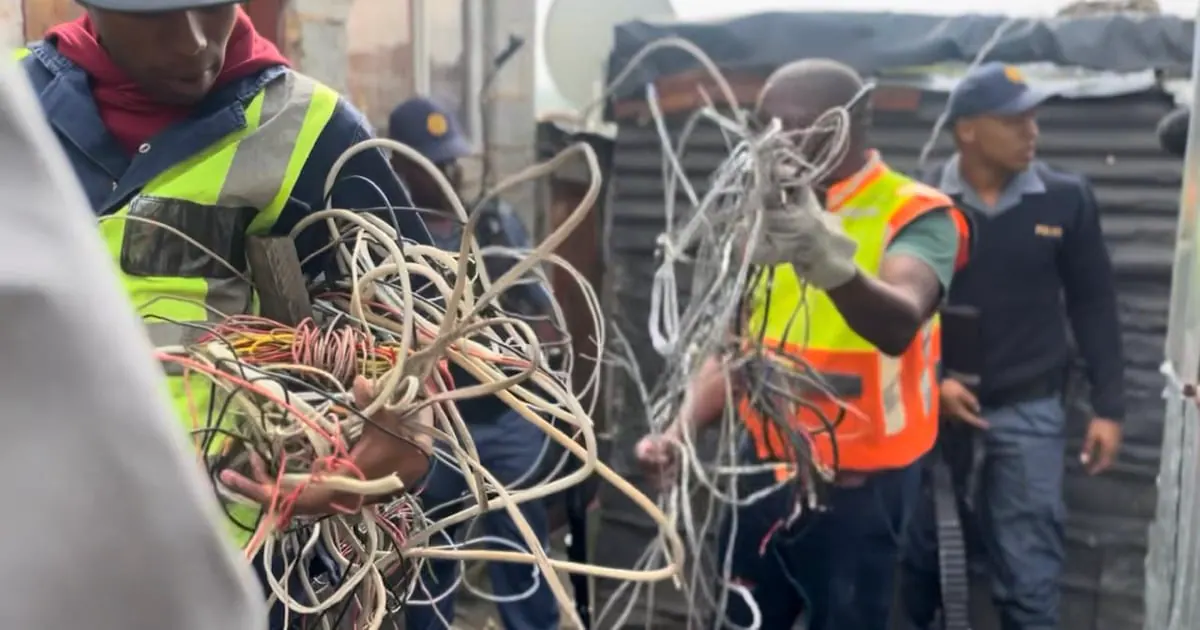
The second month of the strategy focuses on reducing losses and rebuilding relations with customers. This involves town hall meetings in areas most affected by service failures, where management would present a recovery plan and discuss arrangements to address arrears. A smart prepayment program targeting areas with high electricity losses is also proposed. Preparations would include reconciling customer and meter records and deploying teams to investigate illegal connections and meter tampering.
By days 61 to 100, the city is expected to appoint a permanent CEO and finance chief, demonstrate improvements in collections and electricity losses, and report progress at town hall meetings. City Power currently faces significant challenges, including an infrastructure backlog of R44.25 billion and persistent financial shortfalls, with a deficit of R4.3 billion in 2025. The utility also reported 2.1 million forced interruptions between July 2025 and March 2026.
The CDE also proposes giving City Power greater certainty over its revenue, with transfers to the municipality made explicit, predictable, and affordable. The report suggests that private companies could help improve metering, correct billing records, and maintain infrastructure, with payments linked to independently verified results. The CDE cautions against immediately collapsing municipal utilities into the city administration, citing concerns over management capacity, finances, corruption, and skills shortages.
Key points
- Johannesburg's next administration should appoint new leadership at City Power within 100 days.
- The CDE proposes changes to City Power's recruitment criteria for a permanent CEO.
- City Power faces an infrastructure backlog of R44.25 billion and persistent financial shortfalls.