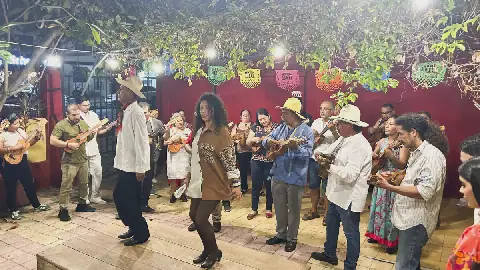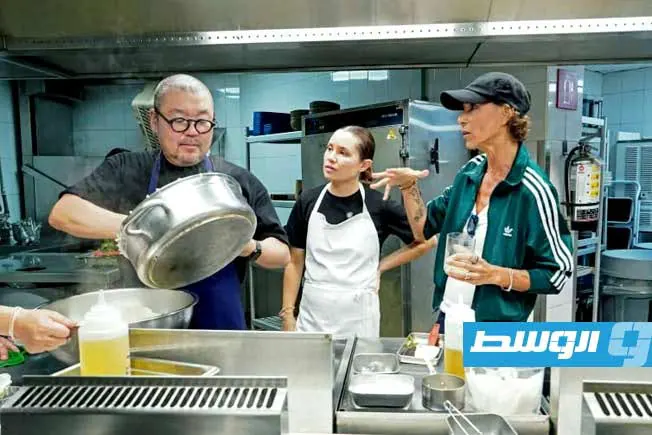
The El Niño climate phenomenon, occurring every two to seven years, brings severe droughts, floods, and record temperatures, impacting agriculture, fishing, and water supplies. This has led top chefs like Rasmus Munk, Álvaro Clavijo, and Alex Atala to adjust their menus. They've been doing so for years, attending events like the Ababashwa food festival in Mexico to share strategies. Chefs discuss how to cope with the effects of El Niño on ingredient availability, quality, and prices.
Brazilian chef Alex Atala notes that he's had to constantly update his menu due to inconsistent product availability. His restaurant, DO.M in São Paulo, now offers traditional dishes with new flavors using ingredients from isolated Amazon communities. Atala cites challenges with transportation due to extreme weather, affecting the freshness of products. He mentions the scarcity of ants in Brazil, a delicacy, which are now only available for specific customer requests.
Spanish chef Kiki Dacosta points out that the Mediterranean region has faced difficulties due to climate change, similar to the Amazon. His restaurant in Dania, southeast Spain, was affected by heavy rainfall in October 2024, which damaged local crops. Dacosta emphasizes that extreme weather directly impacts the primary materials that form the basis of their cuisine. He fears the approaching autumn climate low will further affect his menu.
Mexican chef Roberto Solís notes that this year marks the first time in years without hurricanes in eastern coastal regions. Hurricanes typically bring moisture, influencing ocean currents and marine life. Solís is interested in seeing how the absence of hurricanes will impact the fish he serves at his restaurant, Honeyk, in Mérida. He aims to recreate traditional Mayan dishes with a modern twist.
Danish chef Rasmus Munk has turned to local alternatives to cocoa due to market pressures. He uses fermented grain leftovers from beer production, which has a chocolate-like flavor, in his Copenhagen restaurant, Alchemist. In Japan, chef Yosuke Takada finds that El Niño brings more diverse fish options due to warmer ocean temperatures. His Osaka restaurant, La Sème, combines Japanese ingredients with French techniques.
Colombian chef Álvaro Clavijo expresses concern over El Niño's impact on his suppliers. His Bogotá restaurant, El Chato, faces a shortage of cocoa pods and Andean tubers, forcing him to adjust his menu. Clavijo highlights the challenge of dealing with water rationing, which began two years ago. This has made managing a restaurant particularly difficult.
The effects of El Niño and climate change are being felt globally, with rising food prices, water scarcity, and extreme weather events. Chefs like Munk, Clavijo, and Atala continue to adapt, finding innovative ways to maintain their culinary standards while raising awareness about the changing climate.
Key points
- Chefs worldwide adapt menus due to El Niño and climate change impacts
- Extreme weather affects ingredient availability, quality, and prices
- Restaurants innovate with local and alternative ingredients to cope with climate change