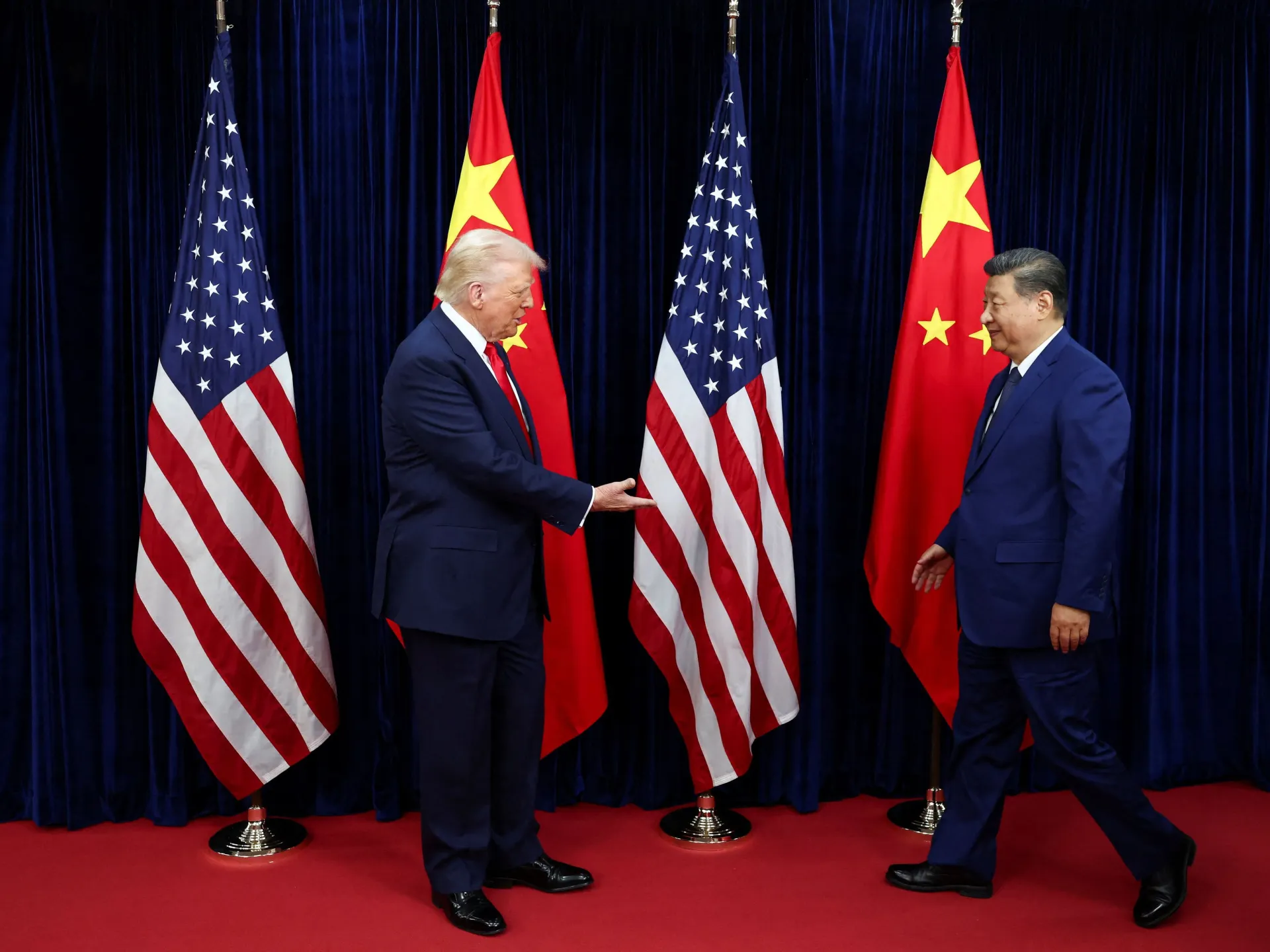
Chinese President Xi Jinping's recent visit to Washington has opened a new chapter in the relationship between the US and China. The meeting with US President Donald Trump comes at a time when trade and technological differences are intertwined with security and energy issues. The visit, which took place during the United Nations General Assembly, shows that both countries want to keep the dialogue open, despite ongoing differences on major issues.
The discussions between Xi and Trump did not resolve the differences between the two nations, but they emphasized the need for continuous communication channels to prevent the competition from escalating into a broader confrontation. The US and China cannot ignore the impact of their relationship on the global economy. Any trade escalation between them affects trade, investment, and supply chains, as well as decisions on technology, energy, and basic materials markets.
The effects of the tensions between the US and China are felt beyond their borders, particularly by poor and developing countries. These countries bear the brunt of the costs of the tensions, especially when crises lead to higher energy, transportation, and insurance prices, and disrupted trade. The war between the US and Iran adds another dimension to this equation, with the potential to increase concerns about energy supplies and costs.
The conflict in the Middle East, particularly around the Strait of Hormuz, has led to increased fears about energy supplies and higher costs. The past seven months have shown that the effects of this conflict are not limited to its parties, but also reach consumers and fragile economies through fuel, transportation, and food prices. The importance of dialogue between Washington and Beijing goes beyond their bilateral relationship.
The two nations have significant political and economic weight, allowing them to influence the course of international crises. Their positions on war, trade, and energy can directly impact global market stability. The recent talks showed that maintaining stability does not mean ending competition, but rather trying to prevent it from becoming an additional source of disruption.
The world does not need an end to US-China competition, which seems unrealistic given the size of their interests and differences. However, it needs to manage this competition according to clear rules that prevent differences from imposing additional costs on the global economy, particularly on weaker economies that often pay the price of crises they did not create.
What Washington and Beijing need today is not an agreement on all issues, but rather an agreement on rules to manage differences, maintain communication channels, and protect international trade from becoming an open tool of pressure. They must consider the impact of major decisions on poor and developing countries. From this perspective, Xi's visit to Washington gains importance beyond its direct results.
Key points
- The visit emphasized the need for continuous communication channels between the US and China to prevent the competition from escalating into a broader confrontation.
- The effects of US-China tensions are felt beyond their borders, particularly by poor and developing countries.
- The world needs to manage US-China competition according to clear rules to prevent additional costs on the global economy.