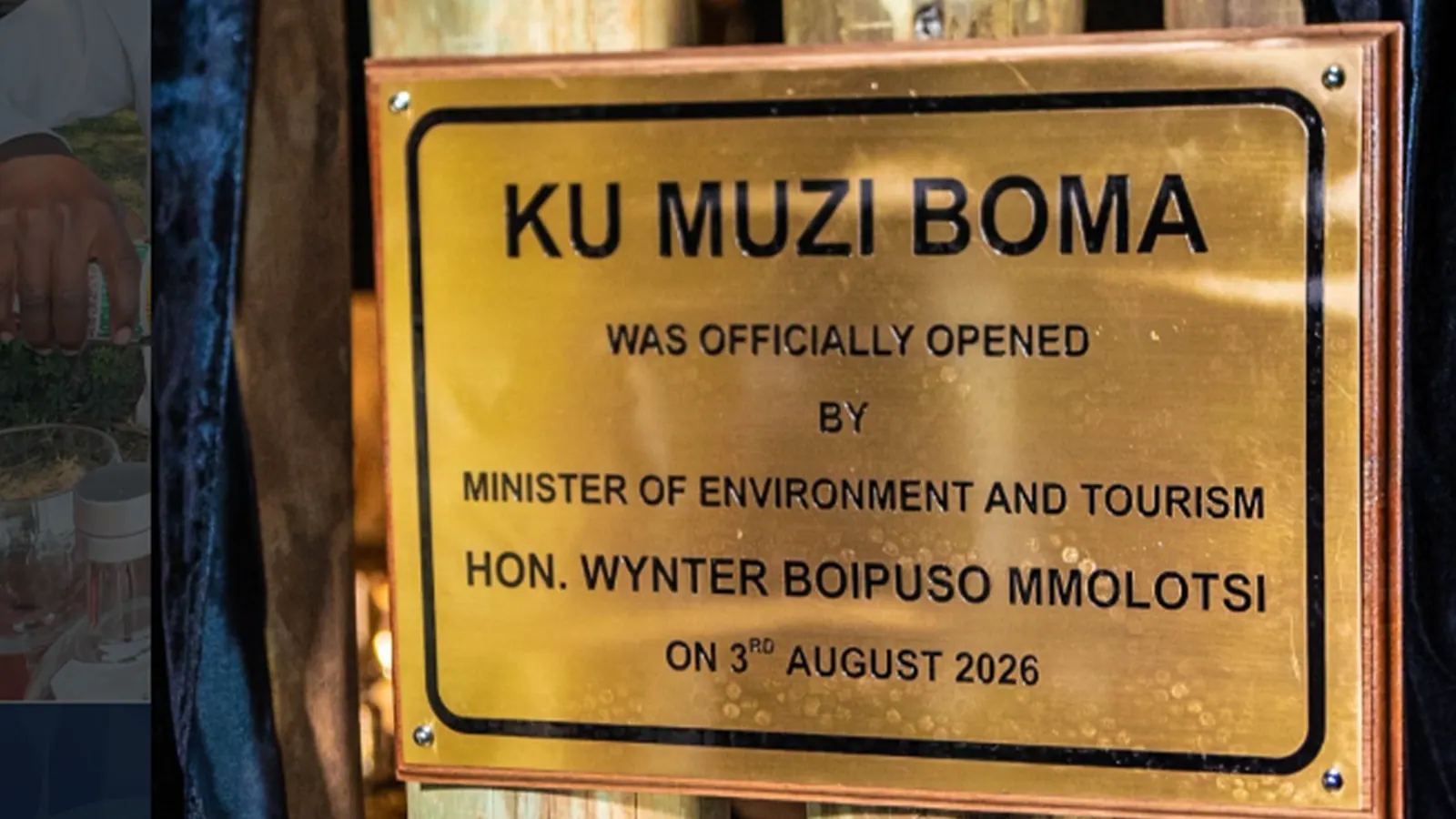
Cresta Mowana Safari Resort & Spa officially opened Ku Muzi Boma on August 18, a new cultural dining and entertainment experience designed to attract visitors and promote longer stays in the Chobe region. This initiative combines traditional Botswana cuisine with live music, dance, and storytelling, targeting not only guests of the resort but also visitors from other lodges in Kasane. The project aims to diversify the tourism economy, which currently relies heavily on wildlife tourism. By offering a unique cultural experience, Ku Muzi Boma seeks to provide an additional reason for travelers to extend their stay.
The introduction of Ku Muzi Boma aligns with a shift in Cresta Marakanelo's business strategy, as stated by Managing Director Mokwena Morulane. The company is moving beyond merely providing accommodation to creating memorable experiences that foster a deeper connection with Botswana. This approach is expected to benefit local businesses, including restaurants, performers, transport companies, guides, farmers, and craftspeople. By dispersing the value of a visitor's trip across a network of providers, Ku Muzi Boma aims to contribute to the local economy and promote sustainable tourism practices.
The name "Ku Muzi Boma" evokes a traditional enclosed gathering place, but its function is contemporary – to create a planned cultural occasion for visitors. Guests can enjoy local food, performances, and stories in an immersive setting that encourages participation. Located on the banks of the Chobe River, close to Chobe National Park, the resort offers a unique stage for this cultural experience. The project extends the resort's proposition from the landscape to the human culture of the region, providing a more comprehensive experience for travelers.
The Minister of Environment and Tourism, Wynter Boipuso Mmolotsi, endorsed the development of Ku Muzi Boma, highlighting its importance in cultural tourism and Botswana's efforts to diversify its tourism offerings. The minister emphasized that the facility represents more than just a new place to eat; it marks the introduction of a unique cultural experience that enriches the tourism offering of Kasane and the greater Chobe Region. This support reflects a broader policy concern to make the tourism sector more inclusive and resilient.
Botswana's tourism industry has built its international reputation around protected areas, wildlife, and a relatively low-volume safari model. However, officials and tourism companies are seeking ways to make the sector more diverse and sustainable. Cultural tourism offers one route, creating demand for local talent and products while giving visitors a fuller understanding of the places they visit. Modern travelers increasingly seek experiences that connect them with the people, history, and traditions of a destination.
Cresta has prioritized community participation in the Ku Muzi Boma project, involving local performers, cultural groups, suppliers, farmers, artisans, and young people as partners in producing the experience and determining its development. The company has committed to strengthening local participation as the project grows and will focus on creating opportunities and value for surrounding communities. The sustainability of the cultural tourism venture will depend on its ability to provide a meaningful role for local stakeholders and a fair share of income.
The success of Ku Muzi Boma will be measured not only by its financial performance but also by its impact on the local community. The company aims to encourage visitors to stay longer, spend more, and explore a wider range of experiences in the Chobe region. By incorporating Ku Muzi Boma into their packages, hotels, lodges, safari operators, and destination-management companies can help promote the attraction and contribute to the local economy. The initiative comes as Botswana addresses a reported decline in the average length of stay among international visitors, which fell from 6.3 nights in 2019.
Key points
- Ku Muzi Boma aims to diversify the tourism economy in Botswana's Chobe region by offering a unique cultural experience.
- The project prioritizes community participation, involving local stakeholders in the production and development of the experience.
- The initiative seeks to encourage visitors to stay longer, spend more, and explore a wider range of experiences in the region.