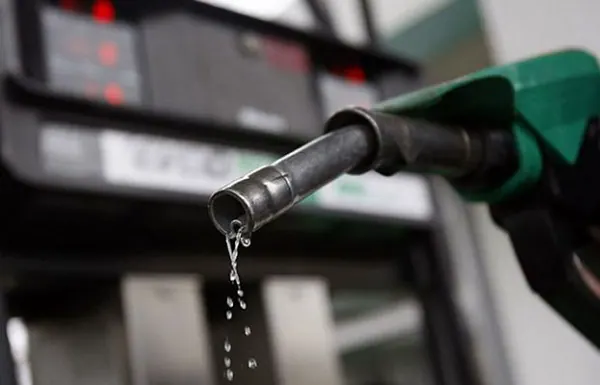
Nigeria is grappling with the repercussions of the ongoing conflicts between the USA and Iran, and Russia and Ukraine, which have led to soaring fuel prices and exacerbated the cost of living issues across the country. The global oil price hike has been attributed to various factors, including the weaponization of crude oil, which has played a significant role in financing these wars. As a result, the rest of the world, including Nigeria, has had to endure significant privations and sufferings.
Energy experts have offered plausible explanations for the causative factors leading to the hikes. According to Amos Oboh, an energy expert and co-founder of Ibay Alliance Network Services Ltd, fluctuations in crude oil prices can have rippled economic effects due to its essentiality for transportation and industrial use. He noted that strong economic growth and industrial production tend to increase the demand for oil, while historical events, supply and demand imbalances, and geopolitical tensions also contribute to price shifts.
Oboh further explained that the Organisation of Petroleum Exporting Countries (OPEC) has sought to influence global oil prices by limiting crude supply for decades, with varying degrees of success. The development of shale supply in the continental U.S. has undermined OPEC's power to set prices, but its alliance with Russia and other exporters under the OPEC+ umbrella has reinforced its influence. As a result, governments, oil companies, and speculators closely monitor every OPEC+ decision.
Franklin Obed, an energy analyst, shares a similar view, arguing that Russia's ability to fund war campaigns has been linked to the oil market. He noted that higher oil prices allow Moscow to bypass Western price caps and sell its Urals crude at a premium, channeling those billions back into frontline operations against Ukraine. The ongoing war in Iran and the USA has effectively closed the Strait of Hormuz, leading to oil prices spiking past $100 a barrel.
However, not everyone agrees with this assessment. Alhaji Aliko Dangote, President of Dangote Industries Limited, attributes the hike in fuel and other products to the nefarious activities of smugglers and their enablers who steal the nation's crude oil and sell it at exorbitant prices outside Nigeria's shores. He argues that the price difference between Nigeria and neighboring countries creates a strong financial incentive for smuggling.
Dangote's views are based on his experience as the founder and owner of the largest refinery in the globe. He noted that petrol prices in neighboring countries are between 30 and 50 percent higher than in Nigeria, which creates a significant financial incentive for smuggling. This has denied the country the opportunity to benefit from its own resources.
The soaring fuel prices have significant implications for Nigeria's economy and citizens. As the country grapples with the crisis, experts are calling for a multifaceted approach to address the issue, including improving domestic refining capacity, enhancing security measures to curb smuggling, and diversifying the economy to reduce dependence on oil. The government will need to navigate these complexities to find a lasting solution to the crisis.
Key points
- The ongoing conflicts between the USA and Iran, and Russia and Ukraine have led to soaring fuel prices and exacerbated the cost of living issues across Nigeria.
- Energy experts attribute the global oil price hike to various factors, including crude oil production, geopolitical tensions, and smuggling.
- The Nigerian government will need to adopt a multifaceted approach to address the crisis, including improving domestic refining capacity and enhancing security measures to curb smuggling.