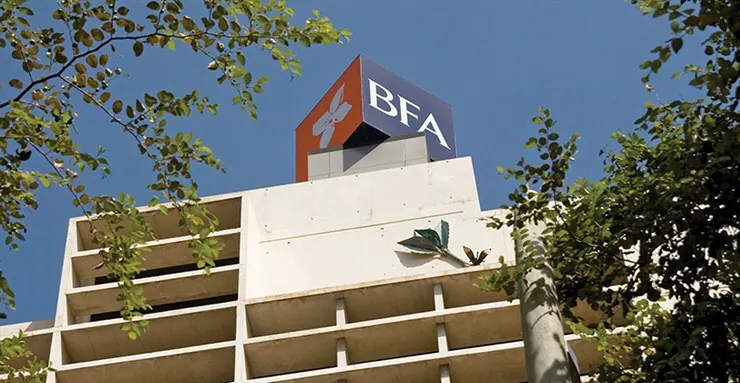
The decision by the Banco Nacional de Angola (BNA) on whether to authorize the acquisition of Banco de Fomento Angola (BFA) by conglomerate Carrinho represents a defining moment for Angola's financial system. This move will determine whether Angola aims to exit international risk lists and establish a reputable financial system or continue with a system that raises suspicions globally. The acquisition raises structural concerns that require rigorous technical analysis, especially since Carrinho has controlled Banco de Comércio e Indústria (BCI) since December 2021.
Carrinho obtained authorization from the Autoridade Reguladora da Concorrência in August 2024 to assume control of Banco Keve, subject to BNA approval. With an additional 7.61% stake in BFA acquired through its subsidiary Congolian Financial (CFSA), Carrinho's influence in the banking sector could reach approximately 30%. This concentration of power occurs as Angola's financial system faces regression, with the country currently on the grey list of the Grupo de Ação Financeira Internacional (GAFI) and the European Union's list of high-risk third countries for anti-money laundering and combating terrorism financing.
Angola's presence on the GAFI list since 2023 indicates strategic deficiencies in preventing money laundering and terrorism financing. The European Union has also included Angola in its list of high-risk countries since 2025, imposing reinforced due diligence obligations on European financial institutions operating with Angolan entities. This situation contradicts the government's rhetoric on financial transparency and investment conditions in Angola.
The potential acquisition of BFA by Carrinho poses systemic risks that the BNA must evaluate. One risk is the integration of banking services with the conglomerate's existing operations, creating conditions for self-financing practices. This could lead to a reduction in the independence of credit decisions, as banks controlled by Carrinho may prioritize financing internal operations or projects.
Claudio Borio of the Banco de Pagamentos Internacionais (BIS) notes that highly interconnected financial structures can amplify the transmission of monetary policy decisions within conglomerates. This can lead to increased systemic risk, particularly in contexts with insufficient supervision and transparency mechanisms. The integration of banking and non-financial entities can create vulnerabilities, making the system more prone to instability.
Another risk associated with the acquisition is the lack of financial transparency within the Carrinho conglomerate. The company does not publish consolidated accounts, creating opacity regarding the origin of financing for its industrial and logistics operations. This lack of transparency is concerning, especially given the international connections identified in journalistic investigations, including links to Niels Troost, a trader involved in financing Russian oil transactions.
The BNA must carefully assess these risks to ensure the stability and integrity of Angola's financial system. The acquisition's outcome will have significant implications for the country's financial sector and its reputation internationally. The central bank's decision will be crucial in determining whether Angola takes a step towards strengthening its financial system or continues down a path that may lead to further complications.
Key points
- The potential acquisition of BFA by Carrinho poses significant risks to Angola's financial system, including the concentration of power and lack of financial transparency.
- Angola's financial system is currently on the grey list of the GAFI and the European Union's list of high-risk third countries for anti-money laundering and combating terrorism financing.
- The BNA must evaluate the risks associated with the acquisition to ensure the stability and integrity of Angola's financial system.