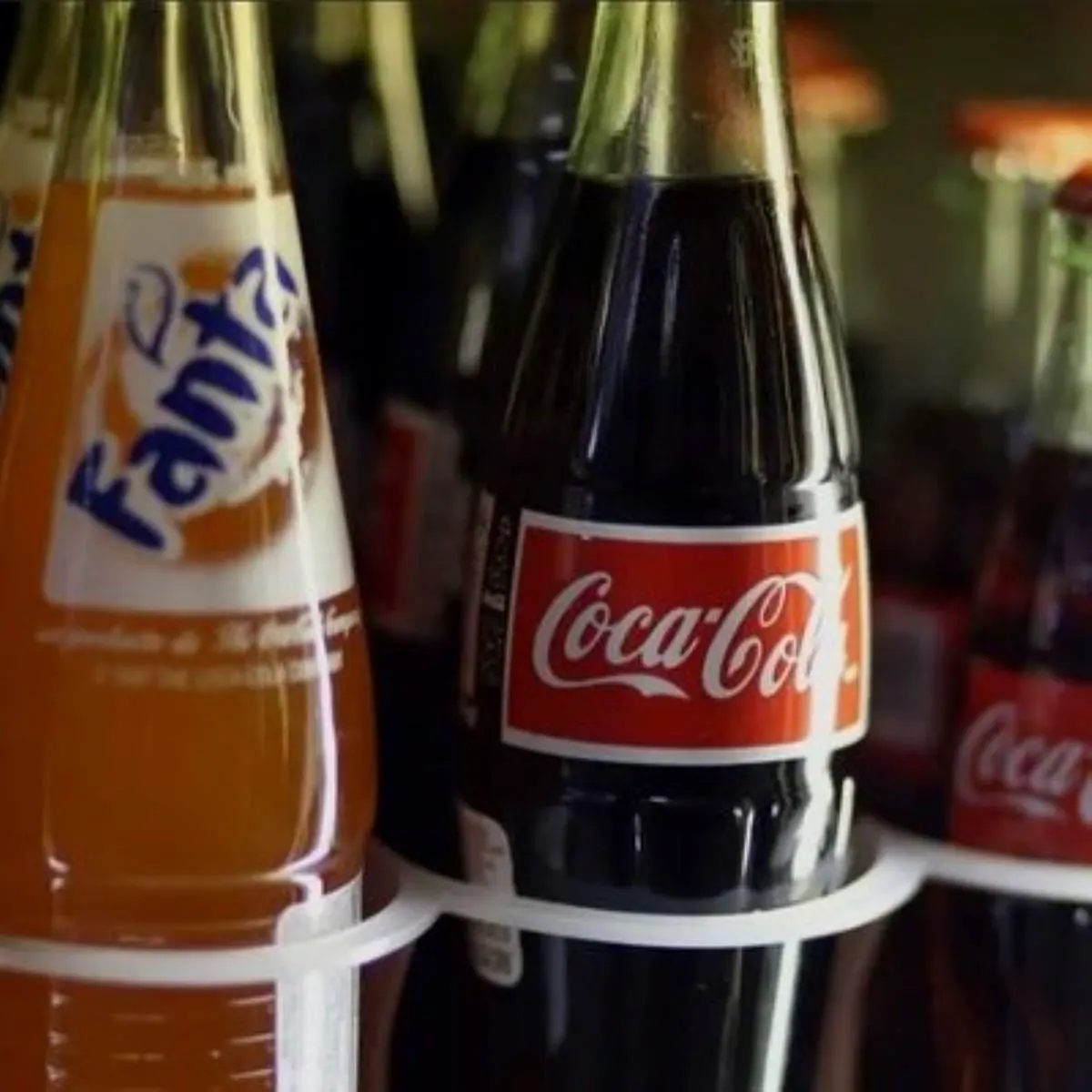
Soft drinks have become a staple in many people's daily lives, often consumed at social gatherings, with meals, or as a quick pick-me-up. However, regular consumption of these sugary beverages can lead to a significant intake of sugar and calories, providing little nutritional value. This habit can be a major concern, especially when it becomes a daily occurrence, with some individuals consuming multiple bottles or cans in one day.
One of the most significant benefits of quitting soft drinks is reducing excessive sugar consumption. A single bottle of soft drink may not seem like a major contributor to daily sugar intake, but consuming multiple bottles throughout the day can add up quickly. Removing soft drinks from one's routine can make a substantial difference in daily sugar consumption and encourage individuals to be more mindful of sugar content in other foods and drinks.
Quitting soft drinks can also make weight management easier. Soft drinks provide a considerable number of calories without making a person feel full, which can lead to consuming more calories overall. By removing these unnecessary liquid calories, individuals can better manage their weight, although overall food intake, physical activity, and other factors also play a role.
Frequent consumption of sugar-sweetened beverages has been linked to an increased risk of developing type 2 diabetes. Regularly consuming large amounts of sugary drinks can contribute to excess calorie intake and weight gain, both of which can increase the risk of blood glucose regulation problems. Reducing soft drinks can be particularly beneficial for individuals already at high risk of developing diabetes or those who already have the condition.
Quitting soft drinks can also have a positive impact on oral health by protecting teeth and preventing dental cavities. Sugar in soft drinks provides fuel for bacteria in dental plaque, producing acids that can damage tooth surfaces and contribute to cavities. Additionally, soft drinks can be acidic, leading to enamel erosion. Reducing soft drinks can decrease the frequency of exposure to sugar and acidity.
Replacing soft drinks with water can improve hydration habits without adding sugar or calories. This is particularly important in hot weather or during physical activity when the body loses more fluid through sweating. Developing a drinking habit that doesn't rely on sugary beverages can be achieved by keeping a bottle of water nearby or trying chilled or naturally flavored water.
Quitting soft drinks can also help individuals become less dependent on sweet flavors and save money. Regular consumption of very sweet drinks can make people accustomed to high levels of sweetness, influencing their food and drink choices. By reducing soft drinks, individuals can adjust to less sweetness over time and make healthier choices. Furthermore, quitting soft drinks can free up money for other needs, as the cost of purchasing multiple bottles per day can add up quickly.
Key points
- Reducing soft drinks can significantly decrease sugar consumption and calorie intake.
- Quitting soft drinks can lower the risk of developing type 2 diabetes and improve oral health.
- Replacing soft drinks with water can improve hydration habits and save money.