The European Union invested $16 million to support rape survivors in Liberia in obtaining justice, but the country's struggling justice system has yielded only two convictions in six years. This outcome has sparked concerns among victims and advocates, who are now calling on the Chief Justice to take action to address the systemic issues hindering the delivery of justice. The funds were intended to provide support to survivors of rape and other forms of gender-based violence.
According to reports, the funds were allocated to provide support to survivors of rape and other forms of gender-based violence, with the goal of strengthening the justice system and increasing access to justice for victims. However, despite this investment, the results have been disappointing, with only two rapists convicted over the past six years. This has raised questions about the effectiveness of the support provided and the capacity of the justice system to handle such cases.
The Liberian justice system has been criticized for its slow pace and lack of effectiveness in handling cases of rape and other forms of gender-based violence. Victims and advocates have expressed frustration with the system's failure to deliver justice, citing a range of challenges, including inadequate resources, lack of training, and social and cultural barriers. These challenges have contributed to a culture of impunity, where perpetrators feel emboldened to commit crimes without fear of consequences.
The Chief Justice of Liberia has been urged to take action to address the systemic issues hindering the delivery of justice in cases of rape and other forms of gender-based violence. Victims and advocates are calling for reforms to strengthen the justice system, increase access to justice for victims, and ensure that perpetrators are held accountable for their actions. This includes providing training for judges, prosecutors, and other stakeholders, as well as increasing resources and support for victims.
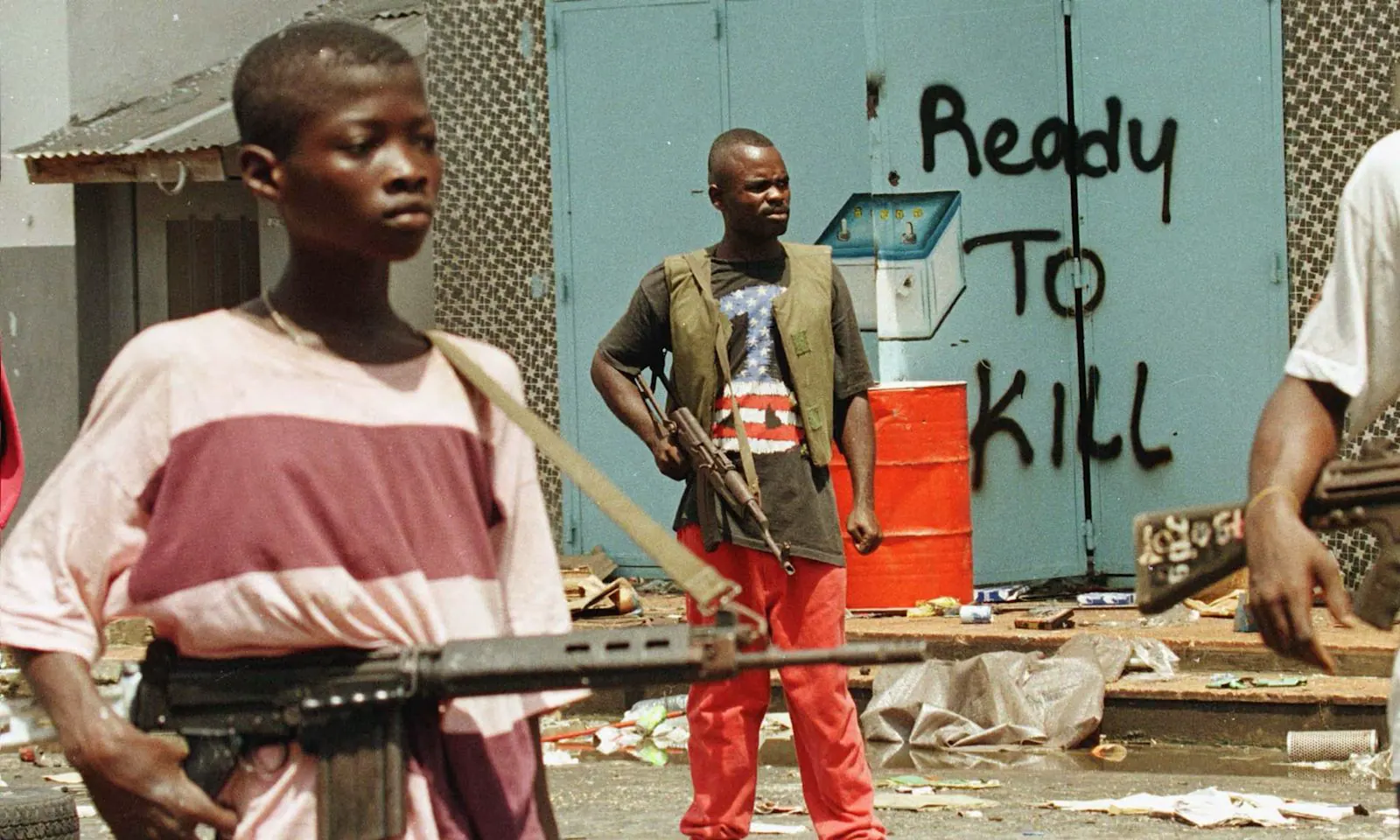
The issue of rape and other forms of gender-based violence is a significant concern in Liberia, where many women and girls have been affected by violence, particularly during the country's civil wars. The legacy of these conflicts continues to impact women and girls, who face significant challenges in accessing justice and rebuilding their lives. The failure of the justice system to deliver justice in cases of rape and other forms of gender-based violence has exacerbated these challenges.
The European Union has expressed commitment to supporting efforts to strengthen the justice system in Liberia and increase access to justice for victims of rape and other forms of gender-based violence. The EU's investment in this area reflects its recognition of the importance of addressing these issues and promoting human rights and the rule of law in Liberia. However, more needs to be done to address the systemic issues hindering the delivery of justice and ensure that perpetrators are held accountable for their actions.
The podcast "War Crimes Justice Comes to Liberia" has been launched to shed light on issues related to justice and accountability in Liberia, including the challenges faced by victims of rape and other forms of gender-based violence. The podcast aims to promote awareness and understanding of these issues and to stimulate discussion and debate about the way forward. By amplifying the voices of victims and advocates, the podcast seeks to contribute to efforts to strengthen the justice system and promote human rights in Liberia.
Key points
- Only two rapists have been convicted in Liberia over the past six years despite $16m in EU funds to support rape survivors in obtaining justice.
- The Liberian justice system has been criticized for its slow pace and lack of effectiveness in handling cases of rape and other forms of gender-based violence.
- Victims and advocates are calling for reforms to strengthen the justice system, increase access to justice for victims, and ensure that perpetrators are held accountable for their actions.