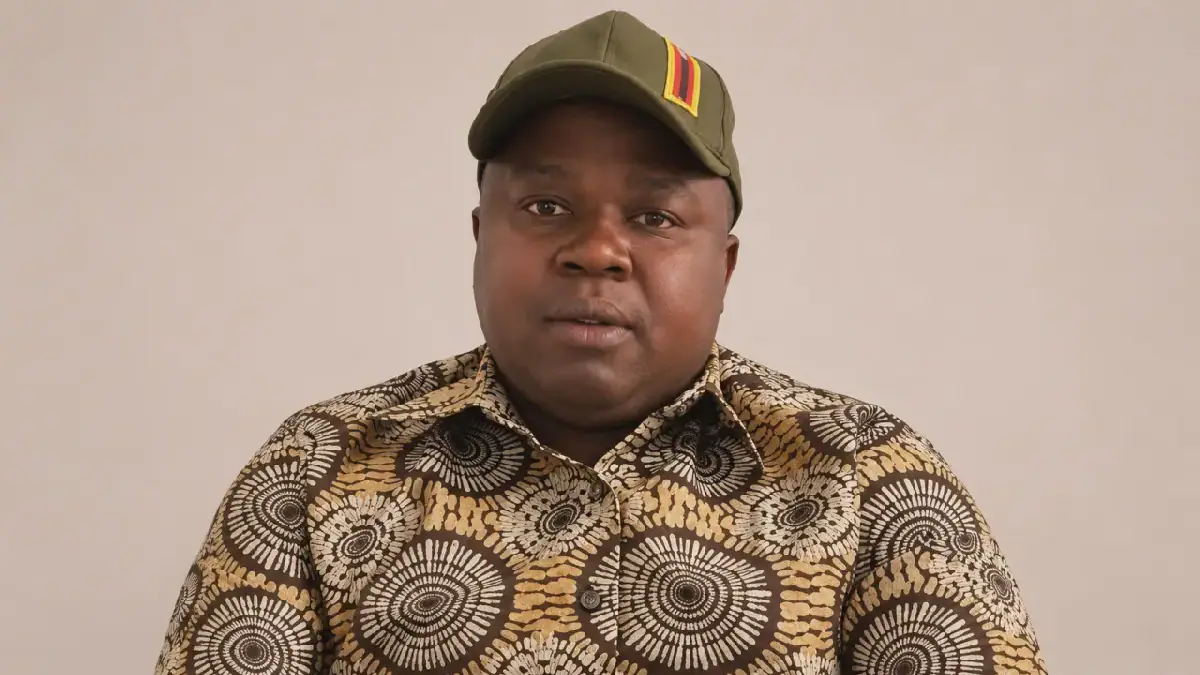
Walter Mutize Mandiriri, popularly known on social media as Comrade Walle, was reportedly shot dead near Juru Growth Point. The incident has sparked widespread concern and debate about the state of free speech in Zimbabwe. Rather than expressing horror at the killing, sections of the public have convened an impromptu posthumous tribunal to convict him of being annoying. His fatal misdemeanour, according to the self-appointed jurists, was that he was too loud, too abrasive and entirely too careless with the names of powerful men.
The reaction to Comrade Walle's death has raised questions about the state of democracy in Zimbabwe. In any functional democracy, a citizen is entitled to speak, just as his detractors are entirely entitled to mock his logic, expose his contradictions and ignore his broadcasts. What nobody is entitled to do is edit an irritating voice out of existence with gunfire. A society that celebrates the silencing of an irritating critic has misunderstood freedom, confused power with authority and surrendered an important part of its democratic conscience.
The phenomenon of citizens voluntarily acting as auxiliary enforcers of their own subjugation is a result of decades of state-sponsored intimidation, arbitrary arrests, midnight abductions and suffocating restrictions on expression. Over time, survival instincts masquerade as political wisdom. Dissent stops looking like a constitutional right and begins to look like reckless provocation; pointed criticism is rebranded as cultural disrespect, while meek conformity is elevated into the highest form of patriotism.
Zimbabwe has a history of silencing or brutalising critics, including journalist and pro-democracy activist Itai Dzamara, who was abducted by unidentified men in 2015 and never found. Comedian Samantha Kureya, known as Gonyeti, was abducted from her home, stripped and beaten by armed men in 2019, proving that even political satire is treated as treason by fragile egos. In July 2020, journalism student Tawanda Muchehiwa was abducted in Bulawayo and tortured over three days ahead of planned anti-corruption demonstrations.
The killing of Comrade Walle has also sparked speculation regarding ZANU PF succession battles, with some questioning what Vice President Constantino Chiwenga's allies could possibly gain from being linked to the elimination of a peripheral online cheerleader. Applying the classic question of cui bono, one must ask who benefits from the killing. The absence of obvious political gain has led some to question the motives behind the killing.
The incident has highlighted the need for Zimbabweans to reflect on their own recent history and recognise how perilous it is to treat vocal dissent as a capital offence. A leadership genuinely confident in its legitimacy laughs off clumsy satire, counters wild allegations with facts and allows overzealous commentators to embarrass themselves in the marketplace of ideas. Tolerating irritation is actually an inexpensive public relations triumph, signalling maturity and unshakeable authority.
The killing of Comrade Walle serves as a test of Zimbabwe's commitment to free speech and democracy. As Gabriel Manyati argues, the real test of free speech is whether we defend it for people we strongly disagree with. The incident has sparked a national conversation about the importance of protecting the rights of citizens to express themselves, even if their views are unpopular or provocative.
Key points
- The killing of Comrade Walle has sparked concern about the state of free speech in Zimbabwe.
- The incident has highlighted the need for Zimbabweans to reflect on their own recent history and recognise how perilous it is to treat vocal dissent as a capital offence.
- The killing serves as a test of Zimbabwe's commitment to free speech and democracy.