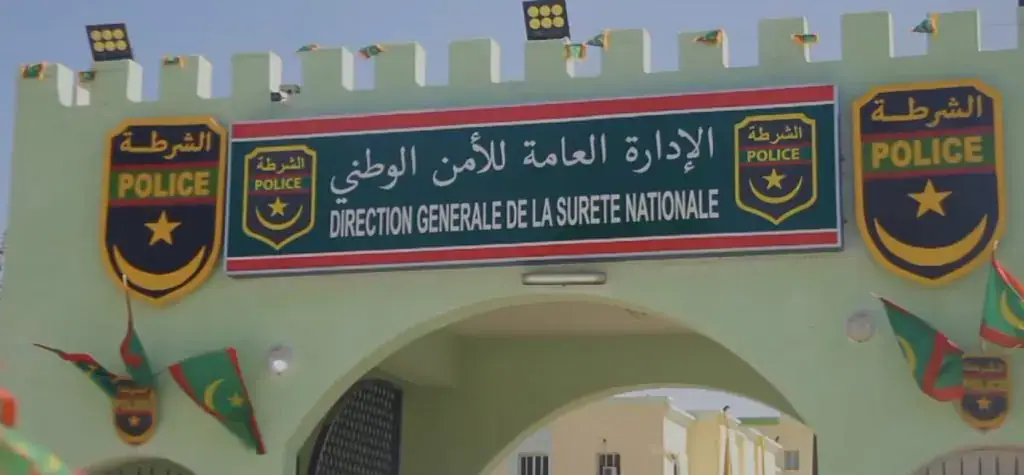
Mauritania's National Security Director General, Field Marshal Mohamed Ould Haritani, has made significant changes in the country's police leadership, affecting eight regional security departments, including three in Nouakchott. The changes also impact several key positions and sensitive sites. According to local news sources, these changes aim to reorganize and potentially strengthen the nation's security apparatus.
The regional security department in Nouadhibou has been assigned to Commissioner Talib Ould Saeed, while Nouakchott's western region will be led by Commissioner Othman Ould Mohamed. Nouakchott's northern region will be under Commissioner Hadi Ould Mohamed, and the southern region under Commissioner Yaacob Ould Shenan. In the country's interior, new appointments include Commissioner Hassna Ould Amsebou as head of Corcorol's security, and Commissioner Mohamed Ould Labat in charge of Tiris Zemmour.
Further appointments include Commissioner Mohamedou Ould Fazil as head of the Eastern Hawd region and Commissioner Mohamed Mahmoud Ould Abdel Aziz in charge of Kidi Magha. At the central level, Commissioner Ahmed Salem Ould Moulay has been appointed director of the Police Academy, and Commissioner Cheikh Brahim Ould Haibele as deputy director of State Security. Additionally, Commissioner Mohamed Ould Taleb will lead the Presidential Office.
The Cyber Police Office has been assigned to Commissioner Aslemou Ould Assouad, and the Nouakchott Airport Police Commission to Commissioner Salek Ould Mohamed Mahmoud. Sources also indicate the appointment of a new Inspector General of Police, although his name has not been disclosed. These changes come roughly nine months after extensive appointments made by Ould Haritani in February.
Previous appointments in February included Ahmed Salem Ould Moulay as Nouadhibou's regional security director, Othman Ould Mohamed leading Nouakchott's northern security, and Mohamed Ould Taleb as Nouakchott International Airport's commissioner. The new appointments now move these individuals to different roles. The reasons behind these recent changes have not been officially stated by the National Security Administration.
The changes reflect a significant reorganization within Mauritania's security sector, potentially aimed at improving efficiency or response to emerging challenges. The extent to which these changes will impact the country's security situation remains to be seen.
The new appointments and transfers demonstrate the ongoing efforts to potentially strengthen and reorganize Mauritania's security leadership. The impact of these changes will be closely watched by both national and international observers.
Key points
- Eight regional security departments affected by new appointments.
- Key positions and sensitive sites also impacted by changes.
- Reasons behind changes not officially disclosed.