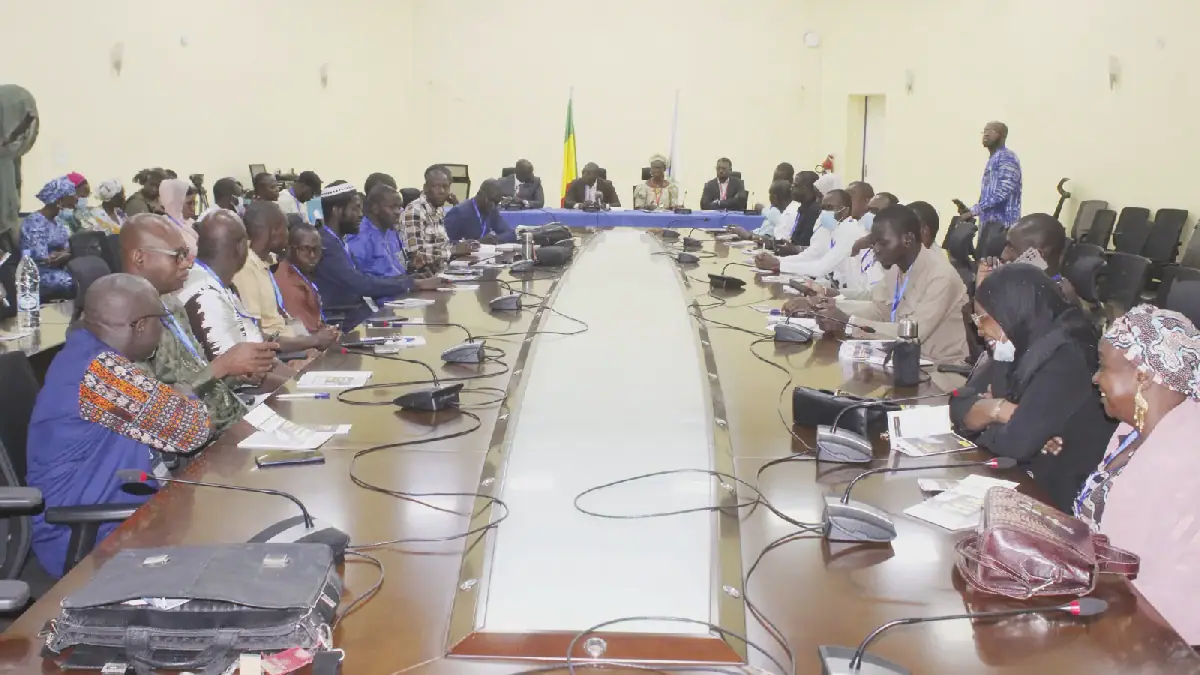
The Malian Society of Nephrology (SONEMA) recently organized a training session on pediatric nephrology and acute peritoneal dialysis at the Alioune Blondin Beye Peacekeeping School in Bamako. The session aimed to equip healthcare professionals with the skills to recognize and manage acute kidney injury in children. It was attended by pediatricians, nurses, general practitioners, adult nephrologists, pediatric nephrologists, and representatives from the International Pediatric Nephrology Association (IPNA) and countries such as Cameroon, Senegal, and the Democratic Republic of Congo.
The training session was held in preparation for the upcoming International Congress of Nephrology, scheduled for November 26-28. The event focused on the theme of managing acute kidney injury and developing acute peritoneal dialysis in children. According to SONEMA President, Professor Magara Samaké, the session provided an opportunity for healthcare professionals to exchange knowledge and expertise. He emphasized that children are a crucial aspect of kidney disease management, and that the frequency of severe kidney problems in children is increasing.
Professor Samaké noted that the rising incidence of kidney problems in children is linked to various diseases, including malaria during the rainy season and infections of the ear, nose, and throat. He also highlighted the need for adequate care and diagnosis, which is often lacking. The session aimed to equip healthcare professionals with the skills to manage and prevent kidney diseases in children.
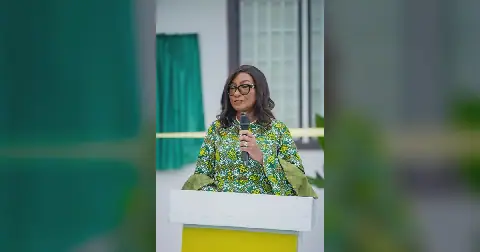
The President of the African Society of Nephrology, Professor Georgette Guekam, also attended the session and expressed concern about the increasing incidence of kidney diseases in children in Mali and across sub-Saharan Africa. She emphasized the need for more pediatric nephrologists to address this growing health issue. Professor Guekam stressed that autonomy in pediatric nephrology is essential, but not a luxury, and that it would enable specialized care for children with kidney diseases.
Professor Guekam suggested that each major hospital should become a reference center for training and care, with a dedicated pediatric nephrology unit equipped with hemodialysis and peritoneal dialysis facilities. She emphasized that early diagnosis and treatment can save lives and reduce the financial burden on families and the healthcare system. The session provided a platform for healthcare professionals to share knowledge and expertise in managing kidney diseases in children.
The training session was attended by healthcare professionals from various backgrounds, including pediatricians, nurses, and nephrologists. The participants discussed the challenges and opportunities in managing kidney diseases in children, and shared best practices in providing specialized care. The session also highlighted the need for collaboration and coordination among healthcare professionals to address the growing incidence of kidney diseases in children.
The Malian Society of Nephrology plans to build on the momentum of the training session to improve the management of kidney diseases in children. The organization aims to increase awareness about the importance of pediatric nephrology and to promote specialized care for children with kidney diseases. By working together, healthcare professionals can make a positive impact on the lives of children affected by kidney diseases.
Key points
- The training session aimed to equip healthcare professionals with the skills to recognize and manage acute kidney injury in children.
- The session highlighted the need for more pediatric nephrologists to address the growing incidence of kidney diseases in children.
- Autonomy in pediatric nephrology is essential for providing specialized care for children with kidney diseases.
Reporting sources
- Santé : session de formation sur la néphrologie pédiatrique et la dialyse péritonéale aiguë · Agence malienne de presse et de publicité