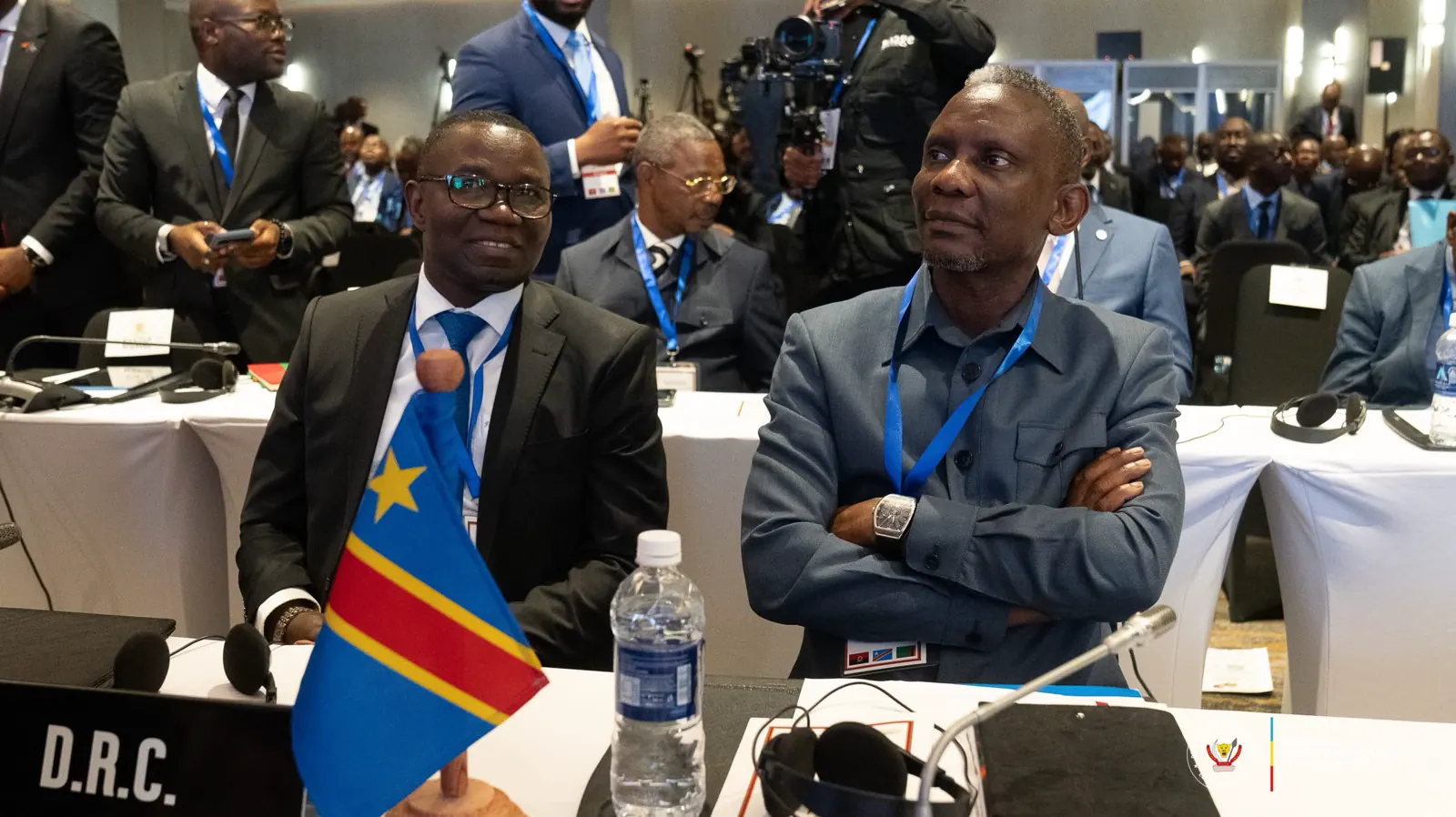
The second Lobito Corridor coordination meeting was opened in Lusaka, Zambia, on October 5, 2026, by President Hakainde Hichilema. The meeting brings together representatives from Angola, the Democratic Republic of Congo (DRC), and Zambia to discuss the progress of the Lobito Corridor project, a major infrastructure and logistics initiative that aims to connect the port of Lobito in Angola to the Copperbelt region in the DRC and Zambia.
President Hichilema emphasized the importance of the corridor, stating that it is part of the African Continental Free Trade Area (AfCFTA) and that its development will help to increase economic growth, create jobs, and stimulate regional integration. He also highlighted the need for strong infrastructure to support trade in Africa, which currently has the lowest level of trade in the world.
The meeting is being supervised by the World Bank and aims to review the progress made since the first meeting in February 2026 in Luanda, Angola. DRC Minister of State for Planning, Guylain Nyembo, stated that the corridor is not just a transportation project but a vital component of the country's economic transformation and regional integration.
The DRC is counting on the transformation of local products before export and is committed to exploiting its agricultural zones, which offer many opportunities. The country also plans to develop new cities and create a strong energy sector to support the corridor. With 70% of the world's cobalt production expected to pass through the corridor, the need for adequate infrastructure and energy resources is crucial.
DRC Minister of Infrastructure and Public Works, John Banza, stressed the importance of connecting secondary roads to the Lobito Corridor to create wealth and stimulate development in various parts of the country. He presented the country's position and commitments in the infrastructure sector during the first session of the meeting.
The Lobito Corridor project has the potential to transform the regional economy and create new opportunities for trade and investment. The meeting will conclude on October 6, 2026, with a renewed commitment to work together to make the corridor a success. The project is expected to have a significant impact on the economic growth and development of the region.
The coordination meeting is a significant step towards achieving the goals of the Lobito Corridor project, which aims to promote regional integration, economic growth, and job creation. The project is a key component of the AfCFTA and is expected to play a vital role in the economic development of the region.
Key points
- The Lobito Corridor project aims to connect the port of Lobito in Angola to the Copperbelt region in the DRC and Zambia.
- The project is part of the African Continental Free Trade Area (AfCFTA) and aims to promote regional integration and economic growth.
- The meeting in Lusaka aims to review the progress made since the first meeting in February 2026 and to discuss the next steps in the development of the corridor.